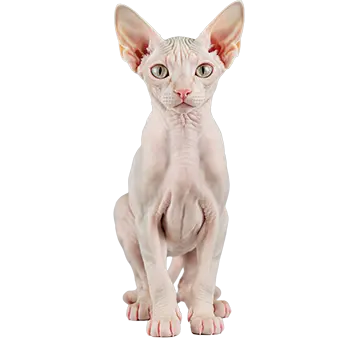

Peak Health Maintenance

The adult Bambino, typically between one and ten years of age, is a small but remarkably robust cat when properly cared for. This is the stage where the routines you established during kittenhood pay off in the form of a healthy, well-adjusted companion. Peak health maintenance for this breed centers on consistent veterinary care, diligent skin management, and close attention to the unique physical characteristics that define the Bambino.

Annual veterinary wellness exams are essential even when your Bambino appears perfectly healthy. Cats are adept at masking illness, and routine bloodwork, urinalysis, and physical examinations can detect developing conditions long before symptoms become apparent. Discuss a comprehensive health screening schedule with your veterinarian that accounts for the Bambino's breed-specific considerations, including cardiac evaluation and musculoskeletal assessment related to the short-leg conformation.

Skin care remains a daily commitment throughout the Bambino's adult life. Without fur to absorb the natural oils produced by the skin, Bambinos develop a waxy residue that requires regular bathing, typically every one to two weeks depending on the individual cat. Use a gentle, cat-safe shampoo and warm water, and dry the cat thoroughly afterward to prevent chilling. Between baths, wipe skin folds and wrinkles with a soft, damp cloth to prevent buildup that can lead to bacterial or yeast infections.

Maintaining an appropriate indoor environment is a lifelong priority for hairless breeds. Keep your home at a comfortable temperature year-round, provide warm bedding and blankets for the cat to burrow into, and protect the Bambino from direct sunlight through windows, which can cause sunburn even indoors. Many Bambino owners find that cat clothing or sweaters are appreciated by their pets during cooler months.

Nutrition at Maturity

Once your Bambino reaches full maturity at around one year of age, transitioning to a high-quality adult cat food is appropriate. Choose a formula with animal protein as the primary ingredient and avoid foods with excessive fillers, artificial preservatives, or by-product meals. The Bambino's higher metabolic rate due to its hairless body means it may require slightly more calories per pound of body weight than a coated cat of similar size.

Feed measured portions at consistent times rather than free-feeding, as Bambinos can be enthusiastic eaters and are prone to weight gain if food is always available. Obesity places additional strain on the short legs and compact spine characteristic of this breed, making weight management particularly important. Your veterinarian can help you determine the appropriate daily caloric intake based on your cat's weight, activity level, and body condition.

Fresh water intake should be monitored closely. Adequate hydration supports kidney function, skin health, and overall metabolic processes. Many Bambinos prefer moving water, so a pet fountain can be a worthwhile investment. Wet food can also contribute to daily fluid intake and is often well-received by this breed. A combination of wet and dry food may provide the best balance of nutrition, hydration, and dental benefits.

Periodic reassessment of your Bambino's diet is important as the cat ages through its adult years. Activity levels, weight trends, and any developing health conditions may necessitate dietary adjustments. Consult your veterinarian before making significant changes to the diet, and introduce any new foods gradually over a week to ten days to minimize digestive upset.

Exercise & Fitness

Adult Bambinos retain much of the playful energy of their youth and require daily physical and mental stimulation to stay fit and content. A sedentary Bambino is not only at risk for weight gain but is also more likely to develop behavioral problems such as excessive vocalization, destructive scratching, or attention-seeking behaviors. Plan for at least two dedicated interactive play sessions per day, each lasting 15 to 20 minutes.

Variety in play is important for keeping an intelligent breed like the Bambino engaged. Rotate through different toy types, including feather wands, ball tracks, crinkle toys, and puzzle feeders. Many Bambinos enjoy fetch and will retrieve small toys with enthusiasm. Food-dispensing toys that require problem-solving are excellent for mental enrichment and can be used during mealtimes to slow eating and provide cognitive stimulation simultaneously.

Maintain a cat-friendly environment with vertical space for climbing and perching. Cat trees, wall-mounted shelves, and window perches give your Bambino opportunities for natural climbing and observing behaviors. While Bambinos have short legs, they are surprisingly capable climbers and jumpers, though providing ramps or staggered platforms makes vertical movement easier and reduces strain on their joints over time.

Indoor enrichment should be prioritized over outdoor access for this breed. The Bambino's hairless skin is vulnerable to sunburn, insect bites, temperature extremes, and abrasions from rough surfaces. If your Bambino enjoys observing the outdoors, a screened catio or a secure window perch provides stimulation without the associated risks. Supervised leash walks in shaded, temperate conditions are another option for cats that have been trained to accept a harness.

Preventive Health Care

Preventive health care for the adult Bambino encompasses vaccinations, parasite control, and screening for conditions that are more prevalent in the breed's parent lines. Core vaccinations should be kept current according to your veterinarian's recommended schedule, even for indoor-only cats, as exposure to pathogens can occur through open windows, other pets, or visitors.

Hypertrophic cardiomyopathy, a condition inherited from the Sphynx lineage, is a concern for Bambino owners. This condition causes thickening of the heart muscle and can develop without obvious external symptoms in its early stages. Annual cardiac screening, including auscultation and periodic echocardiography, allows for early detection and management. Discuss the appropriate screening frequency with your veterinarian based on your cat's age and family history.

Skin conditions deserve particular vigilance in hairless breeds. Watch for signs of contact dermatitis, sunburn, acne on the chin and tail area, and fungal infections such as ringworm, which is more easily transmitted to hairless cats due to the absence of the protective fur barrier. Regular skin inspections during bathing and daily handling help catch issues early when they are most treatable.

Dental health is an often-overlooked aspect of preventive care. Bambinos, like all cats, are susceptible to periodontal disease, which can lead to pain, tooth loss, and systemic health problems if bacteria enter the bloodstream. Establish a dental care routine that includes regular veterinary dental cleanings and, ideally, daily tooth brushing at home using a cat-specific toothpaste. Dental treats and water additives can supplement but should not replace mechanical cleaning.

Behavioral Maturity

As the Bambino settles into adulthood, its personality stabilizes into the traits that will define it for the rest of its life. This breed is characteristically affectionate, demanding of attention, and highly social. Adult Bambinos typically develop strong attachments to their primary caregivers and may follow them from room to room, vocalize for interaction, and seek out lap time at every opportunity. This level of companionship is deeply rewarding for owners who enjoy a close bond with their cat.

The flip side of the Bambino's social nature is a low tolerance for prolonged solitude. Adult Bambinos left alone for extended periods on a regular basis may develop separation anxiety, which can manifest as inappropriate elimination, destructive behavior, or excessive grooming that leads to skin irritation. If your lifestyle requires long absences, consider providing a feline companion for your Bambino, or arrange for a pet sitter or interactive enrichment devices to break up the day.

Territorial behaviors in the adult Bambino are generally moderate compared to larger, more assertive breeds. Most Bambinos coexist well with other cats and with cat-friendly dogs, provided introductions were handled properly. However, each cat is an individual, and some Bambinos may assert dominance over resources such as food bowls, favorite sleeping spots, or access to their preferred human. Managing these dynamics through multiple resource stations and equitable attention distribution prevents most multi-pet conflicts.

Adult Bambinos remain highly trainable and responsive to positive reinforcement. This is an excellent stage to teach new tricks, refine existing behaviors, or address any lingering behavioral concerns with the help of reward-based training methods. The Bambino's intelligence and people-orientation make it one of the more cooperative cat breeds when it comes to learning new skills and adapting to household routines.

Dental & Grooming

Grooming a Bambino is a unique experience compared to caring for coated breeds, as the absence of fur shifts the focus entirely to skin, ears, nails, and dental care. Regular bathing is the cornerstone of Bambino grooming, typically required every one to two weeks. The natural oils that would normally be distributed along fur shafts instead accumulate on the skin surface, attracting dirt and potentially clogging pores if not removed regularly.

Bathe your Bambino in warm water using a gentle, fragrance-free cat shampoo. Pay special attention to skin folds around the legs, belly, and neck where oils and debris concentrate. After bathing, dry the cat thoroughly with a soft towel and keep it in a warm room until completely dry. Some Bambinos tolerate a low-heat blow dryer, but many prefer towel drying. Never leave a damp Bambino in a cool or drafty environment.

Ear care is especially important for Bambinos, as the absence of ear fur means that wax and debris accumulate more readily in the ear canals. Check the ears weekly and clean them with a veterinarian-recommended ear cleaning solution and a soft cotton ball. Never insert cotton swabs into the ear canal, as this can cause injury. Dark, foul-smelling discharge or signs of discomfort during ear cleaning warrant a veterinary visit to rule out infection.

Nail care follows the same principles as for any cat, with trimming needed every two to three weeks. Because Bambinos lack the fur that typically cushions scratching posts, keep nails trimmed to prevent the cat from scratching its own skin during grooming or play. Dental care should include daily tooth brushing if possible, or at minimum several times per week, along with annual professional dental cleanings as recommended by your veterinarian. The combination of consistent skin, ear, nail, and dental care keeps your adult Bambino comfortable, healthy, and looking its best.

Always consult a qualified professional before making any health-related decisions. This content is provided for informational reference only and should not replace professional guidance specific to your animal.