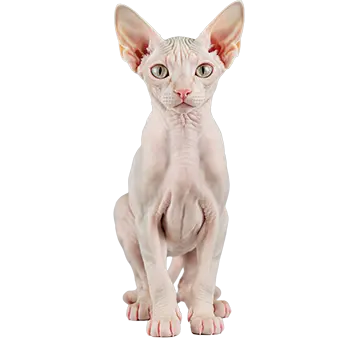

The arrival of Bambino kittens is a delicate event that demands close attention from the very first moments. Because Bambinos are a hairless breed resulting from a cross between the Sphynx and the Munchkin, their newborns arrive with little to no fur and shortened legs, making them particularly vulnerable to environmental conditions. In the first hours after birth, it is essential to confirm that each kitten is breathing clearly, moving toward the mother, and beginning to root for a nipple.
The queen will typically handle cleaning and stimulating each kitten immediately after delivery. She will chew the umbilical cord and consume the placenta, which provides important postpartum nutrients. Count each placenta to ensure none has been retained, as a retained placenta can lead to serious infection. If the mother seems disinterested or overwhelmed, gently clear mucus from the kitten's nose and mouth with a soft cloth and place the kitten against the mother's belly.
Within the first 24 hours, every kitten must receive colostrum from the mother's milk. Colostrum delivers critical antibodies that form the foundation of the kitten's immune system during the first weeks of life. Bambino kittens who fail to nurse during this window are at significantly higher risk of infection and failure to thrive. If a kitten cannot latch or the mother rejects it, contact your veterinarian immediately for guidance on supplemental feeding.
Weigh each kitten at birth using a digital kitchen scale and record the weight. Healthy Bambino newborns typically weigh between 80 and 120 grams. This baseline weight will become your most important tracking tool over the coming days, as consistent weight gain is the strongest indicator of adequate nutrition and healthy development.