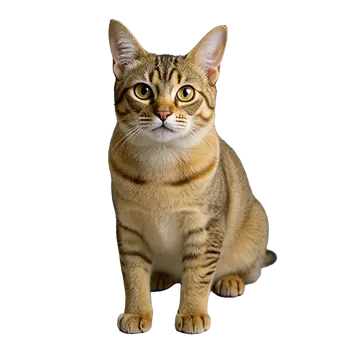

Growth & Physical Development

The juvenile period for an Asian Semi-longhair spans roughly from eight weeks to twelve months of age, during which the kitten undergoes remarkable physical transformation. Growth is most rapid between two and six months, with kittens typically doubling or tripling their weight during this window. The characteristic semi-long, silky coat begins to develop its adult texture and density around four to five months, though full coat maturity may not be reached until the cat is well over a year old.

Muscle development and skeletal growth proceed at a pace that demands consistent, high-quality nutrition. You may notice your kitten going through gangly, awkward phases where the legs seem too long for the body or the ears appear disproportionately large. These temporary imbalances are entirely normal and resolve as the cat fills out into its adult proportions. Asian Semi-longhairs are medium-sized cats, and most will reach close to their adult frame size by nine to ten months.

Teething is a significant event during this stage. Deciduous teeth begin falling out around three to four months and are replaced by permanent adult teeth by six to seven months. Kittens may chew more aggressively during this period, and you may find tiny shed teeth around the home. Providing appropriate chew toys can redirect this behavior away from household items and help soothe gum discomfort.

Monitor growth by weighing your kitten regularly and comparing progress against expected ranges for the breed. Sudden growth stalls or excessive weight gain can indicate health issues that benefit from early veterinary attention. A well-developing Asian Semi-longhair should show a steady upward growth curve with a lean, muscular body condition throughout the juvenile period.

Nutrition & Diet Transition

Juvenile Asian Semi-longhairs require a diet specifically formulated for growing kittens, which provides higher levels of protein, fat, and essential nutrients than adult cat food. Kitten food should remain the primary diet until approximately twelve months of age, though your veterinarian may adjust this timeline based on your cat's individual growth pattern and body condition. Feed measured portions multiple times per day rather than relying solely on free-feeding, as this helps prevent overeating while ensuring consistent nutrient intake.

The transition from weaning to solid kitten food should be fully completed by eight to ten weeks of age. Most kittens at this stage readily eat high-quality wet food and can begin incorporating dry kibble as well. A combination of wet and dry food offers benefits in terms of hydration, dental health, and dietary variety. Ensure fresh water is always available, as adequate hydration supports kidney function and overall health during this period of rapid growth.

Avoid supplementing a balanced commercial kitten diet with additional vitamins or minerals unless specifically directed by your veterinarian. Over-supplementation can cause nutritional imbalances that are just as harmful as deficiencies. Similarly, avoid feeding raw diets to juvenile cats without veterinary supervision, as their developing immune systems may be more vulnerable to foodborne pathogens.

As your Asian Semi-longhair approaches twelve months, begin the transition to adult cat food gradually over seven to ten days, mixing increasing proportions of adult food with decreasing amounts of kitten food. Abrupt diet changes can cause digestive upset. The semi-long coat benefits from a diet that includes adequate omega fatty acids, which support skin health and coat luster throughout the cat's life.

Behavioral Changes

Adolescence brings a surge of energy, independence, and boundary-testing that can surprise first-time cat owners. Asian Semi-longhairs are naturally sociable and people-oriented, but during the juvenile phase they may display bursts of hyperactivity, increased vocalization, and a tendency to explore every accessible corner of the home. This is a normal expression of developing confidence and intelligence, not a behavioral problem, though it does require thoughtful management.

Play behavior becomes more complex and intense during this period. Kittens practice hunting sequences including stalking, pouncing, and wrestling with littermates or toys. Providing ample interactive play opportunities channels this energy productively and strengthens the bond between cat and owner. Without adequate stimulation, a bored adolescent Asian Semi-longhair may redirect their energy toward destructive behaviors such as scratching furniture, knocking items off surfaces, or excessive nighttime activity.

Some kittens go through a phase of testing boundaries around four to six months of age, which can include jumping on counters, chewing cords, or attempting to access restricted areas. Consistent redirection to appropriate alternatives is far more effective than punishment, which can damage the trust-based relationship this breed thrives on. Environmental management, such as securing cords and providing tall cat trees for climbing, prevents many issues before they develop.

Sexual maturity typically arrives between five and nine months, often accompanied by behavioral changes such as spraying, increased vocalization, restlessness, or attempts to escape outdoors. These behaviors are driven by hormones and are one of many reasons that spaying or neutering is recommended for cats not intended for a responsible breeding program.

Training Priorities

Asian Semi-longhairs are intelligent and responsive cats that take well to training when approached with patience and positive reinforcement. The juvenile period is the ideal time to establish foundational behaviors that will serve the cat throughout its life. Litter box reliability, responding to their name, and accepting grooming and handling are the primary training priorities during this stage.

Litter box habits are usually well established by the time a kitten is adopted, but transitions to a new home can cause temporary lapses. Ensure the litter box is easily accessible, kept scrupulously clean, and located in a quiet area away from food and water. If accidents occur, evaluate potential stressors or medical causes rather than resorting to punishment, which only creates anxiety around elimination and worsens the problem.

Grooming training is particularly important for the Asian Semi-longhair due to its semi-long coat. Begin regular brushing sessions during the juvenile period, keeping them short and positive. Pair brushing with treats and calm praise so the kitten associates grooming with pleasant experiences. Introduce nail trimming gradually, handling the paws frequently before ever bringing out the clippers. A kitten that learns to accept grooming calmly will be far easier to maintain as an adult.

Many Asian Semi-longhairs can learn simple commands and tricks such as sitting, coming when called, or targeting a hand with their nose. Use small, high-value treats and keep training sessions brief, no more than five minutes at a time. This breed's natural curiosity and desire for interaction make them excellent candidates for clicker training and food puzzle enrichment.

Exercise & Activity

Juvenile Asian Semi-longhairs possess abundant energy that requires daily outlets through interactive play, climbing, and exploration. A minimum of two dedicated play sessions per day, each lasting fifteen to twenty minutes, helps meet their physical and mental stimulation needs. Wand toys, feather teasers, and small balls that mimic prey movement are particularly effective at engaging this breed's natural hunting instincts.

Vertical space is essential for developing cats. Tall cat trees, wall-mounted shelves, and window perches allow your Asian Semi-longhair to climb, survey their territory, and rest in elevated positions that satisfy their instinctive preferences. Investing in quality vertical furniture during the juvenile period encourages appropriate climbing behavior and reduces the likelihood of your cat scaling bookshelves, curtains, or other household fixtures.

Food puzzles and treat-dispensing toys add a cognitive dimension to activity that is particularly beneficial for intelligent breeds like the Asian Semi-longhair. These tools slow down eating, reduce boredom, and encourage problem-solving skills. Rotate toys and puzzles regularly to maintain novelty and interest, as even the most engaging toy becomes boring if it is the only option available day after day.

While Asian Semi-longhairs are generally indoor cats, some owners provide supervised outdoor access through enclosed patios or leash training. If you choose to leash train your kitten, begin during the juvenile period when adaptability is highest. Start with a properly fitted harness worn indoors for short periods before ever attaching a leash or venturing outside. Never leave a harnessed cat unsupervised, and always ensure identification and microchipping are in place before any outdoor exposure.

Spay & Neuter Considerations

The decision about when to spay or neuter your Asian Semi-longhair should be made in consultation with your veterinarian, taking into account the kitten's health, weight, and development. Most veterinarians recommend the procedure between four and six months of age, before the onset of sexual maturity and its associated behavioral changes. Early spaying or neutering eliminates the risk of unwanted litters and significantly reduces the incidence of certain reproductive cancers and infections.

For female Asian Semi-longhairs, spaying before the first heat cycle provides the greatest health benefits, including a dramatically reduced risk of mammary tumors later in life. The surgery also eliminates the risk of pyometra, a potentially life-threatening uterine infection. Intact females will cycle repeatedly, displaying restlessness, loud vocalization, and rolling behavior that many owners find disruptive.

For males, neutering reduces or eliminates spraying behavior, decreases roaming tendencies, and tempers aggression toward other cats. Intact males are more likely to engage in territorial fights if they encounter other cats, increasing their risk of injury and exposure to infectious diseases. The procedure also reduces the pungent odor of intact male cat urine, which is a significant quality-of-life consideration for indoor cats and their owners.

Post-surgical recovery is typically quick for young cats, with most kittens returning to normal activity within a few days. Follow your veterinarian's instructions regarding activity restriction, incision monitoring, and pain management during the recovery period. Dietary adjustments may be needed after spaying or neutering, as altered cats have slightly lower caloric needs and may be more prone to weight gain without appropriate portion control.

Socialization & Exposure

Continued socialization during the juvenile period builds on the foundation laid during the first weeks of life and is critical for producing a confident, well-adjusted adult cat. The primary socialization window closes around seven to nine weeks, but the juvenile period remains highly influential in shaping how your Asian Semi-longhair responds to new people, environments, and experiences throughout its life.

Introduce your kitten to a variety of people of different ages, appearances, and demeanors. Asian Semi-longhairs are naturally people-oriented, but exposure to diverse humans during development ensures this friendliness extends broadly rather than being limited to a few familiar individuals. Visitors should interact calmly with the kitten, offering treats and gentle play rather than forcing contact on a reluctant animal.

Household sounds and experiences that the cat will encounter throughout life should be introduced gradually during this period. Vacuum cleaners, doorbells, kitchen appliances, and even the sound of thunderstorms can be normalized through calm, repeated exposure paired with positive associations. A kitten that learns these sounds are unremarkable will handle them with far greater composure as an adult.

If your household includes other pets, structured introductions during the juvenile period are important. Gradual, supervised exposure allows all animals to become comfortable with each other at their own pace. The Asian Semi-longhair's sociable disposition generally facilitates multi-pet integration, but rushing introductions can create lasting tension between animals. Separate resources such as food bowls, litter boxes, and resting areas help prevent competition and territorial stress during the adjustment period.

Always consult a qualified professional before making any health-related decisions. This content is provided for informational reference only and should not replace professional guidance specific to your animal.