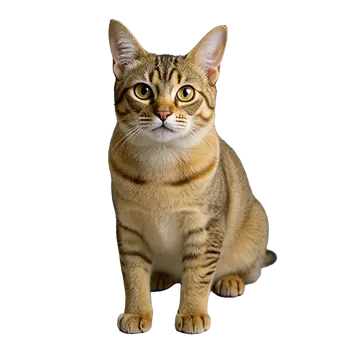

Breeding Readiness

Breeding an Asian Semi-longhair is a commitment that demands careful preparation, knowledge, and a genuine dedication to improving the breed. Before considering a breeding program, prospective breeders must understand the breed standard, the genetic background of their cats, and the responsibilities involved in producing healthy, well-socialized kittens. Breeding should never be undertaken casually or as a financial venture, as the costs of responsible breeding, including health testing, veterinary care, and proper kitten rearing, frequently exceed any income from kitten sales.

Both the queen and the stud should be in excellent health before breeding. A thorough pre-breeding veterinary examination should include screening for infectious diseases such as feline leukemia virus and feline immunodeficiency virus, evaluation of overall body condition, dental health assessment, and updated vaccinations. Genetic testing for conditions relevant to the breed helps ensure that both parents are free of hereditary diseases that could be passed to offspring.

The queen should be fully mature before her first breeding, typically no earlier than eighteen months to two years of age. While cats can become sexually mature as early as five months, breeding a queen before she has reached physical and emotional maturity increases risks during pregnancy and delivery and may compromise her long-term health. The stud should likewise be mature, healthy, and of proven temperament, as behavioral traits are heritable alongside physical characteristics.

Establish a relationship with a veterinarian experienced in feline reproduction before the breeding takes place. Having professional guidance available throughout the process, from pre-breeding evaluation through kitten placement, provides a safety net that protects the health of the queen, the stud, and the resulting kittens.

The Estrous Cycle

Female cats are seasonally polyestrous, meaning they cycle repeatedly during periods of increasing daylight, typically from early spring through autumn. Indoor cats exposed to artificial lighting may cycle year-round. The Asian Semi-longhair queen will display clear behavioral signs when she enters estrus, including increased vocalization, rolling on the floor, elevated hindquarters, treading with the hind feet, and heightened affection toward humans and other animals.

The estrous cycle in cats consists of several phases. Proestrus lasts one to two days and is marked by subtle behavioral changes and attraction to males without receptivity to mating. Estrus, the period of active receptivity, typically lasts four to seven days if mating does not occur, though it can extend to ten days or more. During estrus, the queen will actively solicit mating and will assume the lordosis posture when the base of her tail is touched.

Cats are induced ovulators, meaning that ovulation is triggered by the physical act of mating rather than occurring spontaneously as in many other mammals. Multiple matings over the course of estrus increase the likelihood of successful ovulation and conception. If the queen does not mate, she will cycle out of estrus and return to proestrus within one to three weeks, repeating the pattern throughout the breeding season.

Tracking the queen's cycles over several months before the intended breeding helps you predict timing and plan accordingly. Recording the dates and duration of each estrus period, along with behavioral observations, provides useful data for timing the introduction of the stud. If cycles are irregular, unusually frequent, or accompanied by signs of illness, consult your veterinarian before proceeding with breeding plans.

Pregnancy & Gestation

Feline gestation in the Asian Semi-longhair lasts approximately 63 to 67 days from the date of successful mating, though slight variations are normal. Pregnancy can be confirmed by a veterinarian through palpation at approximately three to four weeks or through ultrasound, which can also provide an estimate of litter size and assess fetal viability. An ultrasound around day 25 to 30 is commonly recommended as a standard part of prenatal care.

During the first few weeks of pregnancy, the queen may show few outward signs. Appetite typically increases around the third week, and you may notice slight nipple enlargement and pinking. As pregnancy progresses, the queen's abdomen will enlarge noticeably, and her caloric needs will increase significantly, particularly during the final third of gestation. Feed a high-quality kitten food during late pregnancy, as its higher caloric and nutrient density supports fetal development and prepares the queen's body for lactation.

Maintain the pregnant queen's normal routine as much as possible while providing a calm, stress-free environment. Moderate activity is healthy throughout most of pregnancy, though the queen will naturally reduce her activity level as she becomes heavier. Avoid introducing new animals, major household changes, or stressful situations during this period. The Asian Semi-longhair's social nature means she may seek extra companionship and reassurance from her owner during pregnancy.

Schedule a prenatal veterinary visit in the final week of pregnancy to confirm that the queen is healthy and prepared for delivery. Your veterinarian may recommend radiographs at this stage to count fetal skeletons and assess their size relative to the birth canal, which helps anticipate potential delivery complications. Discuss signs of normal labor versus emergency situations so you are prepared to act appropriately when the time comes.

Queening Preparation

Preparing for the birth of Asian Semi-longhair kittens involves both physical setup and mental readiness. Set up a queening box in a warm, quiet, low-traffic area of the home at least two weeks before the expected due date. The box should be large enough for the queen to stretch out comfortably but enclosed enough to feel secure, with sides high enough to contain newborn kittens but low enough for the queen to enter and exit easily.

Line the queening box with clean, soft, washable materials such as fleece blankets or disposable absorbent pads. Have a supply of additional clean bedding ready to replace soiled materials during and after delivery. Gather essential supplies including clean towels, unwaxed dental floss for tying umbilical cords if needed, blunt scissors sterilized in case of cord intervention, a bulb syringe for clearing mucus from kitten airways, a kitchen scale for weighing kittens, and the contact information for your veterinarian and the nearest emergency animal hospital.

Encourage the queen to explore and become comfortable with the queening box well before her due date. Place familiar bedding or a worn piece of your clothing inside to make the space feel safe. Some queens will adopt the box readily, while others may choose an alternative location. If she selects an unsuitable spot, gently redirect her to the queening box, but be prepared to accommodate her preference if she is insistent, as forcing a location change can cause significant stress.

Familiarize yourself with the stages of feline labor so you can recognize normal progression and identify signs that require veterinary intervention. Stage one involves restlessness, nesting behavior, and early contractions that may last six to twelve hours. Active delivery in stage two produces kittens at intervals of fifteen minutes to an hour, with each kitten followed by its placenta in stage three. Prolonged straining without producing a kitten, more than two hours between kittens, or visible distress in the queen are reasons to contact your veterinarian immediately.

Postpartum Care

The first days after delivery are critical for both the queen and her kittens. Monitor the queen closely for signs of postpartum complications including excessive bleeding, foul-smelling vaginal discharge, fever, refusal to eat, or neglect of the kittens. A healthy queen will begin nursing her kittens within an hour of delivery, will clean each kitten actively, and will settle into a calm, attentive maternal pattern within the first day.

The queen's nutritional demands peak during lactation, often requiring two to three times her normal caloric intake depending on litter size. Continue feeding high-quality kitten food in frequent, measured meals and ensure constant access to fresh water. A lactating queen that is not eating adequately cannot produce sufficient milk for her litter, and both her health and the kittens' growth will suffer. Weight loss in the queen during early lactation is normal to a degree, but excessive or rapid weight loss warrants veterinary evaluation.

Keep the nesting area clean, warm, and undisturbed during the first two weeks. Change bedding when it becomes soiled, but minimize handling of the kittens during the earliest days unless health checks are necessary. Weigh each kitten daily at the same time to track growth, and keep a log that includes weight, nursing observations, and any concerns. Healthy kittens nurse frequently, sleep quietly between feedings, and gain weight consistently.

Schedule a postpartum veterinary visit for the queen within the first week after delivery. This examination confirms that the uterus is involuting normally, checks for retained placentas or kittens, assesses the mammary glands for signs of mastitis, and evaluates the queen's overall recovery. The kittens should also be examined for congenital abnormalities and general health during this visit.

Responsible Breeding Ethics

Responsible breeding of Asian Semi-longhairs extends far beyond producing attractive kittens. Ethical breeders are stewards of the breed, working to maintain and improve breed health, temperament, and adherence to the breed standard across generations. Every breeding decision should be made with the goal of producing kittens that are healthier, better tempered, and more representative of the breed than their parents.

Health testing and genetic screening are non-negotiable components of responsible breeding. Both the queen and the stud should be tested for breed-relevant genetic conditions, and results should be transparently available to kitten buyers. Breeding cats with known genetic health issues, even if they are exceptional in other ways, compromises the health of future generations and is inconsistent with ethical breeding practices.

Responsible breeders ensure that every kitten produced has a confirmed, suitable home before the breeding takes place or is born. This means maintaining relationships with prospective buyers, conducting thorough screening of potential homes, and having contingency plans for kittens that do not find placement. Ethical breeders include spay and neuter agreements in pet-quality kitten contracts and remain available as a resource for kitten buyers throughout the cat's life, including accepting returns if an owner can no longer care for the cat.

The broader context of cat overpopulation must inform every breeding decision. Millions of cats enter shelters annually, and many do not find homes. Responsible breeders limit their breeding program to a scale they can manage with the highest standards of care, contribute to breed education and rescue efforts, and advocate for spaying and neutering of pets. Breeding is a privilege that carries significant ethical obligations, and those who undertake it should do so with full awareness of their responsibility to the individual cats in their care and to the feline population as a whole.

Always consult a qualified professional before making any health-related decisions. This content is provided for informational reference only and should not replace professional guidance specific to your animal.