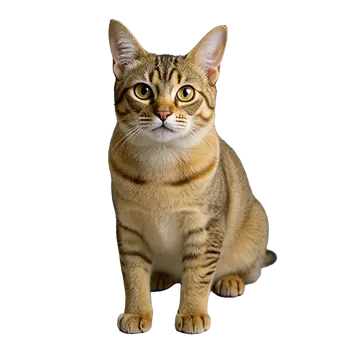

Recognizing when an Asian Semi-longhair is approaching the end of its life requires both medical awareness and a deep understanding of your individual cat's normal behavior and routines. Because this breed forms such close bonds with its human family, owners often sense that something fundamental has shifted before clinical signs become obvious. Trusting your instincts while also relying on veterinary guidance creates the most complete picture of your cat's condition.
Physical signs that a cat may be entering its final decline include progressive weight loss that continues despite adequate food intake, persistent dehydration, labored or irregular breathing, loss of interest in food and water, incontinence, and a noticeable decrease in body temperature. The once-lustrous semi-long coat may become dull, matted, or unkempt as the cat loses the energy or flexibility to groom. Muscle wasting, particularly along the spine and hindquarters, gives the body a bony, angular appearance.
Behavioral changes are equally significant. A previously social Asian Semi-longhair that withdraws from family interaction, hides in unusual locations, or no longer responds to affection is communicating important information about its internal experience. Some cats become unusually clingy in their final days, seeking constant contact with their owner. Others prefer solitude. Neither pattern is more common or more concerning than the other; both represent the cat's individual response to declining health.
Consult your veterinarian when you observe these changes so that treatable conditions can be distinguished from irreversible decline. Some symptoms that appear to signal the end of life may actually be caused by manageable conditions such as dental pain, treatable infections, or medication side effects. A thorough evaluation ensures that your cat receives appropriate care and that end-of-life decisions are made with complete information.