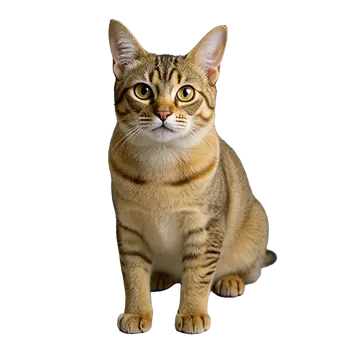

Peak Health Maintenance

An adult Asian Semi-longhair in its prime years, roughly from one to ten years of age, is typically a picture of vitality, elegance, and social engagement. This is the longest stage of your cat's life, and the routines you establish during these years directly influence how gracefully your cat ages. Consistent preventive care, attentive observation, and a stable environment form the pillars of long-term health for this breed.

Annual veterinary examinations are the cornerstone of adult health maintenance. Even when your cat appears perfectly healthy, a yearly checkup allows your veterinarian to detect subtle changes in weight, dental condition, organ function, and overall body condition that may not be apparent to even the most observant owner. Blood work panels and urinalysis performed during these visits establish baseline values that become invaluable reference points as your cat ages.

Keep vaccinations current according to your veterinarian's recommended schedule, which will be tailored to your cat's lifestyle and risk factors. Indoor-only Asian Semi-longhairs may require fewer vaccinations than cats with outdoor access, but core vaccines remain essential regardless of lifestyle. Parasite prevention, including flea, tick, and intestinal parasite control, should continue year-round even for strictly indoor cats, as parasites can enter homes through various pathways.

Establish a habit of performing brief physical assessments at home between veterinary visits. Run your hands along your cat's body to feel for lumps, bumps, or areas of tenderness. Check the ears for debris or odor, observe the eyes for clarity and symmetry, and note any changes in eating habits, water consumption, litter box output, or energy levels. Early detection of abnormalities consistently leads to better treatment outcomes.

Nutrition at Maturity

Adult Asian Semi-longhairs thrive on a high-quality diet formulated for adult cats, with protein as the primary ingredient. The transition from kitten food should be complete by twelve months, and the adult diet should be portioned carefully to maintain a healthy body weight. This breed can be prone to gradual weight gain during the sedentary adult years, making portion control and regular weigh-ins important aspects of nutritional management.

Feed measured meals twice daily rather than relying on unlimited free-feeding. Measured meals make it easier to detect appetite changes, which are often the first sign of illness, and help prevent the slow caloric surplus that leads to obesity. If your cat's body condition score indicates excess weight, your veterinarian can recommend appropriate caloric targets and a gradual weight management plan.

The Asian Semi-longhair's semi-long coat benefits from dietary fatty acids, particularly omega-3 and omega-6, which support skin health and coat sheen. A well-formulated commercial diet typically provides adequate levels of these nutrients, but cats with dry skin or dull coats may benefit from supplementation under veterinary guidance. Adequate hydration is equally important for coat health, kidney function, and urinary tract wellness.

Avoid feeding table scraps, which can contribute to weight gain and nutritional imbalances. Certain human foods, including onions, garlic, chocolate, grapes, and foods containing xylitol, are toxic to cats. Treats should comprise no more than ten percent of your cat's daily caloric intake, and they should be factored into the overall feeding plan rather than added on top of regular meals.

Exercise & Fitness

Adult Asian Semi-longhairs retain much of their youthful playfulness and benefit from daily interactive exercise that engages both body and mind. Two play sessions of fifteen to twenty minutes each provide sufficient physical activity for most adult cats, though some individuals may enjoy and benefit from more. Wand toys, laser pointers used responsibly with a tangible reward at the end, and puzzle feeders all contribute to a well-rounded activity routine.

Maintaining physical fitness during the adult years helps prevent obesity, supports joint health, and reduces the behavioral problems that arise from boredom and excess energy. The Asian Semi-longhair's intelligence means that mental stimulation is just as important as physical exercise. Rotating toys, introducing new puzzle challenges, and varying play routines keep this clever breed engaged and satisfied.

Vertical space continues to be important for adult cats. Cat trees, shelves, and perches allow climbing and surveying behaviors that fulfill deep instinctive needs. Window perches are particularly popular with Asian Semi-longhairs, providing both visual stimulation from outdoor activity and a warm resting spot. Ensure all climbing structures are stable and can safely support your cat's adult weight.

Watch for gradual declines in activity level that may indicate developing health issues rather than simple aging. A previously active adult cat that suddenly becomes sedentary may be experiencing pain, illness, or stress. Conversely, a sudden increase in restless activity, particularly at night, can signal hyperthyroidism or other medical conditions. Any significant change in your cat's activity patterns warrants a veterinary evaluation.

Preventive Health Care

Preventive care during the adult years focuses on maintaining wellness and catching potential problems before they become serious. In addition to annual examinations, adult Asian Semi-longhairs should receive regular dental assessments, as periodontal disease is one of the most common health problems in adult cats. Professional dental cleanings performed under anesthesia may be recommended periodically to address tartar buildup and gum inflammation that home care alone cannot manage.

Urinary tract health deserves particular attention in adult cats. Feline lower urinary tract disease encompasses a range of conditions including cystitis, urinary crystals, and blockages that can become life-threatening, particularly in males. Encouraging adequate water intake through multiple water sources, fountains, and wet food helps maintain urinary tract health. Monitor litter box habits for changes in frequency, volume, straining, or the presence of blood, and report any abnormalities to your veterinarian promptly.

Obesity is a significant risk factor for numerous feline diseases, including diabetes, hepatic lipidosis, arthritis, and cardiovascular stress. Maintain your Asian Semi-longhair at a healthy body condition score by monitoring weight regularly and adjusting food intake and activity levels as needed. Your veterinarian can help you assess body condition and develop a management plan if your cat is trending toward excess weight.

Keep a health journal for your cat that tracks weight, appetite, behavioral observations, and any medications or supplements administered. This record becomes increasingly valuable over time, providing your veterinarian with a longitudinal view of your cat's health that enhances diagnostic accuracy and treatment planning.

Behavioral Maturity

By the time an Asian Semi-longhair reaches full behavioral maturity, typically around two to three years of age, its personality is well established. This breed is known for its affectionate, people-oriented nature, and adults typically form deep bonds with their human family members. They often follow their owners from room to room, seek out lap time, and vocalize to initiate interaction. Understanding and respecting your cat's communication style strengthens the human-animal bond that defines life with this breed.

Adult Asian Semi-longhairs generally settle into predictable daily routines and can become stressed by significant disruptions. Moves, new household members, schedule changes, or the loss of a companion animal can trigger behavioral changes such as hiding, reduced appetite, inappropriate elimination, or excessive grooming. Managing transitions gradually and maintaining familiar elements of your cat's routine helps minimize stress during unavoidable changes.

Some adult cats develop mild behavioral quirks that, while not problematic, reflect their individual personalities. A cat that insists on drinking only from running water, one that has a specific preferred resting spot that changes by time of day, or one that vocalizes in greeting whenever a family member enters a room are all expressing normal feline individuality. Distinguishing between harmless preferences and signs of anxiety or compulsive behavior is an important skill for owners.

If behavioral problems do arise during the adult years, address them promptly rather than hoping they resolve on their own. Litter box avoidance, aggression, destructive scratching, and excessive vocalization all have underlying causes that can usually be identified and managed. A veterinary examination should always be the first step, as many behavioral changes have medical roots. Once medical causes are ruled out, environmental modifications, enrichment, and in some cases consultation with a veterinary behaviorist can resolve most issues.

Dental & Grooming

The Asian Semi-longhair's coat is one of its most distinctive features, and regular grooming during the adult years keeps it in optimal condition while serving as an opportunity to monitor skin health and overall body condition. Brush your cat two to three times per week using a stainless steel comb or a slicker brush appropriate for semi-long coats. Regular brushing prevents mats, reduces hairball formation, and distributes natural skin oils throughout the coat for a healthy sheen.

Pay particular attention to areas prone to matting, including behind the ears, under the forelegs, and around the hindquarters. Mats that are allowed to tighten can pull on the skin, causing discomfort and potentially leading to skin infections beneath the tangled hair. If a mat has formed, use a mat splitter or dematting comb to work through it gently rather than cutting with scissors, which risks injuring the skin.

Dental care is an often-neglected aspect of adult cat health that has significant implications for overall wellness. Periodontal disease can lead to pain, tooth loss, and bacterial infections that may affect the heart, kidneys, and liver. Daily tooth brushing with a cat-specific enzymatic toothpaste is the gold standard for home dental care, though even a few times per week provides meaningful benefits. Dental treats and water additives can supplement brushing but should not replace it entirely.

Nail trimming should be performed every two to three weeks to prevent overgrowth, splitting, and the discomfort that comes from nails curving into the paw pads. If your Asian Semi-longhair was introduced to nail trimming during kittenhood, this should be a straightforward routine. Ear cleaning is generally needed only when visible debris accumulates, using a veterinarian-recommended ear cleaner and cotton balls. Never insert anything into the ear canal, and consult your veterinarian if you notice persistent discharge, odor, or head shaking.

Always consult a qualified professional before making any health-related decisions. This content is provided for informational reference only and should not replace professional guidance specific to your animal.