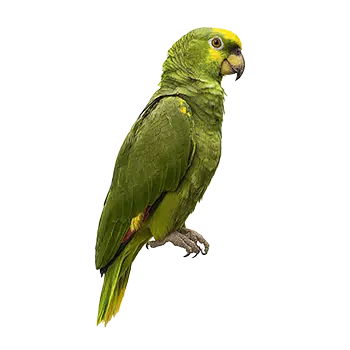

Weaning is among the most consequential developmental passages in a young Yellow-Naped Amazon's life, marking the gradual shift from complete dependence on hand-feeding formula or parental regurgitation to self-sufficient consumption of solid foods. In this species, weaning typically begins between eight and twelve weeks of age and may not be fully complete until the bird is fourteen to sixteen weeks old. The process should never be forced or accelerated on an arbitrary timeline, as premature weaning is associated with long-term behavioral problems including chronic anxiety, feather-destructive behavior, and food insecurity that can persist for the bird's entire life.
The first signs of weaning readiness appear when the chick begins showing interest in solid items in its environment. It may mouth perches, chew on cage furnishings, or pick at food left in a dish near its feeding area. At this point, caregivers should begin offering a variety of soft, easy-to-manipulate foods alongside the regular formula feedings. Warm cooked sweet potato, mashed banana, softened pellets, and finely diced steamed vegetables provide appealing textures and flavors that encourage the chick to explore eating on its own terms.
The formula feedings should be reduced gradually in both frequency and volume as the chick's solid food intake increases. Most aviculturists recommend eliminating the midday feedings first, then the morning feeding, and retaining the evening feeding as the last to be discontinued. The evening feeding often carries significant emotional comfort for the chick, and allowing it to persist until the bird is clearly eating well on its own provides a sense of security during what can be a stressful transition. Monitoring daily weight throughout the weaning process is essential. A weight loss of more than ten percent from the chick's peak pre-weaning weight is cause for concern and may indicate that weaning is proceeding too quickly.
Abundance weaning is the preferred method for Yellow-Naped Amazons. This approach ensures that a wide variety of fresh foods is available at all times, allowing the chick to eat whenever it chooses and to sample different items at its own pace. The presence of abundant food reduces stress and gives the chick confidence that nourishment is always accessible. Forced weaning, in which formula is abruptly withdrawn to compel the bird to eat solid food, causes unnecessary psychological distress and is strongly discouraged by avian behaviorists and experienced breeders alike.