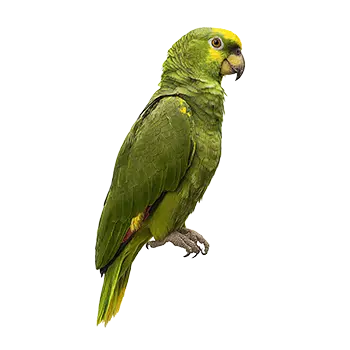

Determining exactly when a Yellow-Naped Amazon transitions from adulthood into its senior years is less straightforward than with many companion animals, because this long-lived species ages gradually and lacks the dramatic physical markers that signal old age in shorter-lived pets. As a general guideline, Yellow-Naped Amazons that have reached approximately 35 to 40 years of age are entering the senior phase of life, though individual variation is significant and influenced by genetics, lifelong diet, veterinary care history, and environmental conditions. Some birds remain vigorous well into their forties, while others begin showing signs of age-related decline in their early thirties.
The earliest signs of aging are often subtle and easily overlooked. The bird may become slightly less active over the course of several months, spending more time resting on a favored perch and less time engaging in vigorous climbing, wing-flapping, or play. Vocalization patterns may shift, with the bird calling less frequently or with slightly reduced volume and clarity compared to its prime years. These changes are gradual enough that a caregiver who sees the bird daily may not notice them until prompted to compare current behavior against the bird's baseline from five or ten years earlier.
Physical changes that accompany aging include a gradual dulling of plumage vibrancy, slower feather regrowth during the annual molt, thickening or flaking of the beak and nails, and a reduction in muscle mass that may be palpable along the keel bone. The skin around the eyes and cere may show subtle textural changes, and some senior birds develop cataracts or other visual impairments that affect their ability to navigate their environment with the same confidence they displayed as younger adults. Arthritis in the feet, hips, and wing joints is common in older parrots and may manifest as stiffness upon waking, reluctance to climb, or a preference for wider, flatter perching surfaces.
Recognizing the onset of the senior stage is important because it triggers a shift in the caregiving approach from maintenance to proactive support. The bird's metabolism, immune function, organ reserves, and regenerative capacity are all beginning to decline, and the husbandry practices that sustained a healthy adult may need to be adjusted to accommodate the changing needs of an aging body. Early recognition allows caregivers to implement modifications gradually, reducing stress on the bird and establishing new routines before age-related challenges become urgent.