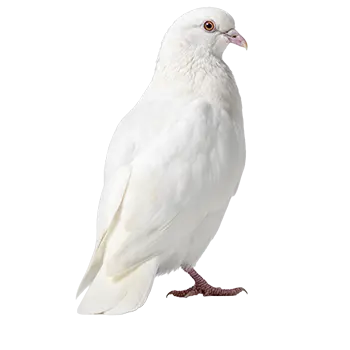

White Doves do not announce their entry into old age with a single dramatic event. Instead, the transition from mature adult to senior bird is a gradual process that unfolds over months and sometimes years, marked by subtle shifts in activity level, appearance, and behavior. Recognizing these early signs allows caregivers to adapt their husbandry practices proactively rather than reactively, ensuring that the dove's quality of life remains high as its body ages. With attentive care, many White Doves live well into their early to mid-teens, and some individuals have reached ages beyond fifteen years.
The onset of the senior stage in White Doves generally begins around seven to nine years of age, though the timeline varies considerably depending on genetics, lifetime nutrition, housing conditions, and overall health history. One of the first signs owners notice is a reduction in overall activity. A dove that once flew readily around the room during out-of-cage time may begin to prefer shorter flights or choose to walk along surfaces rather than take to the air. Perching preferences may shift, with the bird spending more time on lower perches or on the cage floor rather than at the highest available position.
Physical changes accompany the behavioral ones. The plumage of a senior dove may become slightly less lustrous, and molts may take longer to complete than they did during the prime years. The skin on the feet and legs may thicken and develop a rougher texture, and the nails may grow more quickly as activity levels decline and natural wear decreases. Some senior doves develop a slightly hunched posture or carry their wings a fraction lower than they did when younger, reflecting age-related changes in muscle tone and skeletal flexibility.
Appetite changes are another hallmark of aging. A senior dove may eat more slowly, be less enthusiastic about new food items, or become pickier about seed varieties. Weight changes in either direction are worth monitoring. Gradual weight loss can indicate declining digestive efficiency, dental issues affecting the ability to hull seeds, or an underlying disease process. Weight gain, while less common, may signal reduced activity paired with unchanged caloric intake. Twice-monthly weigh-ins on a gram-accurate scale provide the data needed to spot trends before they become problems.