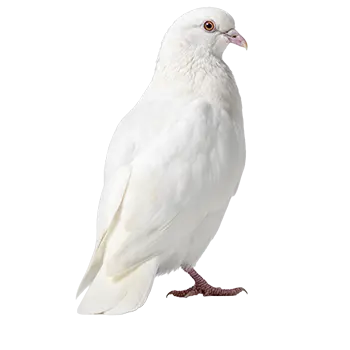

An adult White Dove thrives on consistency, and establishing a reliable daily care routine is one of the simplest and most effective things an owner can do to support the bird's physical and emotional wellbeing. Doves are creatures of habit that take comfort in predictable schedules for feeding, light cycles, interaction, and rest. A dove that knows when to expect food, when the lights will dim, and when its caregiver will be present is a calmer, healthier, and more contented bird than one subjected to erratic timing and unpredictable changes.
The morning routine should begin with removing and replacing food and water dishes. Seed dishes should be replenished with fresh mix daily, as doves hull their seeds before eating and the dish can appear full while actually containing mostly empty husks. Water must be changed at minimum twice daily, as doves drink by immersing their bills and sucking water upward, a method that introduces food particles and debris into the water supply more quickly than the sipping method used by parrots. A shallow bathing dish should also be offered in the morning, as most adult doves enjoy a daily bath and the activity supports feather condition and skin health.
Cage maintenance is a daily obligation. Remove soiled cage liner and replace it with clean paper each morning. Wipe down any perches or surfaces that have accumulated droppings overnight. A weekly deep clean of the entire cage, including scrubbing perches, bars, and the cage tray with an avian-safe disinfectant, prevents the buildup of bacteria and reduces the risk of disease. During the weekly clean, inspect all cage hardware, latches, and perch attachments for wear or damage that could injure the bird.
Handling and interaction time should be woven into the daily schedule. Even a well-socialized adult dove benefits from ten to twenty minutes of gentle handling or out-of-cage time each day. This maintains the bond between bird and owner, provides mental stimulation, and allows the caregiver an opportunity to observe the bird's physical condition up close. During handling sessions, run your fingers gently along the keel bone to assess body condition, check the feet for any signs of redness or swelling, and observe the bird's overall alertness and responsiveness. These brief, daily assessments often catch health issues before they become serious.