
Pair Selection & Compatibility

Successful breeding of Turquoisine Parakeets begins well before the nest box is introduced. Selecting a genetically suitable, healthy, and temperamentally compatible pair is the most consequential decision a breeder makes, and it determines the health of the offspring, the fertility of the clutch, and the safety of both parent birds throughout the demanding breeding cycle.

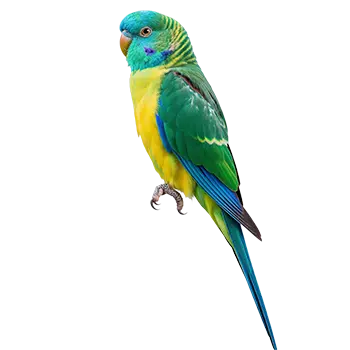
Turquoisine Parakeets display clear sexual dimorphism once they have acquired adult plumage, which simplifies the visual identification of pairs. Males typically exhibit a more vivid turquoise facial band that extends further across the forehead, along with a prominent red-orange shoulder patch that is absent or greatly reduced in females. Females tend to have a narrower turquoise band, a paler overall appearance, and a more subdued green chest. However, in certain color mutations, visual sexing can be less reliable, and DNA sexing via a blood or feather sample provides definitive confirmation.

Both prospective breeders should be in excellent health and of appropriate age. Turquoisine Parakeets typically reach sexual maturity at around twelve months of age, but most experienced breeders recommend waiting until birds are at least fourteen to eighteen months old before pairing them for breeding. Breeding immature birds increases the risk of egg binding in hens, poor parental behavior, and weakened offspring. Both birds should undergo a veterinary health screening before breeding, including testing for Psittacine Beak and Feather Disease, Polyomavirus, and Chlamydiosis, to ensure they are not carrying diseases that could be transmitted to their chicks.

Compatibility between paired birds is not guaranteed by simply placing a male and female together. Turquoisine Parakeets are generally peaceful and accepting of a mate, but individual personality differences can occasionally result in conflict. Introduce prospective pairs in adjacent cages where they can see and hear each other before cohabiting. Signs of mutual interest include contact calling, perching near the shared cage wall, and the male performing courtship displays such as head bobbing and wing spreading. If either bird shows persistent aggression or avoidance after several weeks of adjacent housing, the pairing may not be viable.

Genetic diversity should also factor into pair selection. Breeding closely related birds increases the risk of inbreeding depression, which can manifest as reduced fertility, smaller clutch sizes, weaker immune function in offspring, and increased susceptibility to congenital defects. Maintain detailed records of each bird's lineage and avoid pairing siblings, parents with offspring, or other close relatives. Acquiring unrelated breeding stock from reputable breeders or aviculture societies helps maintain genetic health across generations.

Breeding Conditioning & Preparation

Conditioning is the process of bringing a breeding pair of Turquoisine Parakeets into optimal physical condition before the breeding season begins. Properly conditioned birds produce healthier eggs, incubate more reliably, and raise stronger chicks than birds that enter breeding in marginal condition. Conditioning typically begins six to eight weeks before the nest box is offered and involves adjustments to diet, lighting, and the general environment.

Dietary enrichment is the cornerstone of breeding conditioning. Increase the protein content of the pair's diet by adding sprouted seeds, hard-boiled egg mixed with a commercial egg food, finely chopped leafy greens, and a variety of fresh vegetables. These additions supply the amino acids, vitamins, and minerals that the hen needs for egg formation and that both parents need for the sustained physical effort of incubation and chick rearing. Calcium supplementation becomes critically important during conditioning, as the hen will draw heavily on her calcium reserves to form eggshells. Ensure continuous access to cuttlebone and consider adding a liquid or powdered calcium supplement to soft foods.

Photoperiod manipulation can stimulate the hormonal changes that trigger breeding readiness. In the wild, Turquoisine Parakeets breed during the Australian spring and summer, when day length increases. In captivity, gradually extending the daily light period from ten hours to twelve or thirteen hours over the course of several weeks mimics the natural seasonal trigger. Full-spectrum avian lighting is preferable to standard incandescent or LED bulbs, as it more closely replicates the spectral quality of natural sunlight and supports vitamin D synthesis.

The breeding environment should be set up well in advance. Turquoisine Parakeets breed most successfully in spacious enclosures that allow flight and natural behavior. A planted aviary is ideal, but a large flight cage can also work if space is limited. The enclosure should be located in a quiet area where the pair will not be disturbed by heavy foot traffic, loud noises, or the visual presence of predatory animals such as cats. Stress is one of the most common causes of breeding failure in Neophema species, and a calm, stable environment is essential for success.

Before introducing the nest box, observe the pair for signs of breeding readiness. The male will typically increase his courtship displays, singing, head bobbing, and offering food to the hen. The hen may begin exploring potential nesting sites and her vent area may appear slightly swollen. Once these behavioral cues are present, the pair is ready for the nest box to be offered.

Nest Box & Egg Laying

The nest box is the focal point of the breeding process and must be selected and positioned with care. Turquoisine Parakeets are cavity nesters in the wild, choosing tree hollows at moderate heights in eucalyptus woodland. The captive nest box should approximate these conditions in dimensions and design. A box measuring approximately eight inches long, six inches wide, and ten inches tall with an entrance hole of two inches in diameter is suitable for this species. The entrance should be positioned near the top of one side, with a small perch or landing platform below it.

Line the nest box floor with a two-inch layer of untreated wood shavings or a commercial nesting substrate. Avoid cedar and pine shavings, which release aromatic oils that can irritate the respiratory systems of both adults and developing embryos. Some breeders add a shallow concavity scooped into the substrate to prevent eggs from rolling to the edges of the box, where they may not be covered by the incubating hen. The nest box should be mounted at the highest practical point in the enclosure, as Turquoisine Parakeets prefer elevated nesting sites and may refuse a box placed too low.

The hen typically begins laying within one to two weeks of accepting the nest box. A typical clutch consists of four to five eggs, though clutches of three to six are within normal range. Eggs are laid on alternate days, with roughly 48 hours between each egg. The eggs are white, smooth, and slightly oval. The hen may begin incubation after laying the second or third egg, which means the chicks will hatch asynchronously over several days. Some hens begin sitting from the first egg, resulting in a wider spread of hatch dates within the clutch.

Incubation is performed almost exclusively by the hen, who will leave the nest box only briefly to eat, drink, and defecate. The cock bird typically stations himself near the nest box entrance and feeds the hen during her brief breaks. Incubation lasts approximately 18 to 20 days. During this period, minimize disturbance to the nest box. Brief checks every two to three days are acceptable and advisable to confirm the eggs are intact and the hen is healthy, but prolonged or frequent intrusions can cause the hen to abandon the clutch.

Egg binding, a potentially life-threatening condition in which an egg becomes stuck in the oviduct, is a risk for any laying hen. Signs include the hen straining on the nest box floor, fluffed feathers, lethargy, and cessation of droppings. Egg binding is a veterinary emergency that requires immediate professional intervention. Adequate calcium intake during conditioning and laying is the most effective preventive measure, along with ensuring the hen is physically mature and in good body condition before breeding.

Incubation & Hatching

The incubation period of the Turquoisine Parakeet spans approximately 18 to 20 days from the onset of full-time sitting. During this time, the hen maintains the eggs at a consistent temperature of roughly 99 to 100 degrees Fahrenheit through direct body contact, periodically turning them to ensure even heat distribution and prevent the developing embryo from adhering to the shell membrane. The cock bird plays a supportive role, feeding the hen and guarding the nest site, but does not typically participate in incubation.

Fertility assessment can be performed around day seven to ten of incubation through candling, a process in which a bright, focused light is held against the egg in a darkened room. A fertile, developing egg will show visible blood vessels radiating from a dark central mass, while an infertile egg will appear uniformly translucent or show a clear yolk shadow with no vascular development. Infertile eggs, often called clear eggs, can be removed from the nest to allow the hen to concentrate her warmth on the viable eggs. Dead-in-shell embryos, identifiable by a dark mass without visible blood vessels, may also be removed.

As hatching approaches, the developing chick begins to pip, creating a small hole in the eggshell using the egg tooth, a small calcified structure on the tip of the upper beak that is shed shortly after hatching. The pipping process can take twelve to thirty-six hours, during which the chick slowly rotates inside the egg, cutting a line around the circumference of the shell. It is critical that breeders resist the urge to assist hatching unless the chick has made no progress for an extended period and appears to be in distress. Premature intervention can rupture blood vessels in the membrane and cause fatal hemorrhage.

Hatching typically occurs in the order the eggs were laid, with chicks emerging one to two days apart depending on when the hen began sustained incubation. The first-hatched chick has a growth advantage over its younger siblings, which is normal for Neophema species but should be monitored to ensure that later-hatching chicks are not being outcompeted for food. If the smallest chick in the clutch fails to gain weight while its older siblings thrive, supplemental hand-feeding may be necessary to keep it viable.

After all viable eggs have hatched, remove any unhatched eggs from the nest after confirming they are not viable. Leaving dead eggs or broken shell fragments in the nest box can harbor bacteria and create an unsanitary environment for the hatchlings. Replace soiled substrate around the chicks carefully, disturbing them as little as possible. The hen will resume normal brooding behavior quickly once the nest is clean.

Chick Rearing & Parental Support

Turquoisine Parakeets are generally attentive and capable parents, and most pairs will rear their chicks to fledging age with minimal human intervention. The breeder's primary role during this period is to support the parents by providing optimal nutrition, maintaining a clean and stable environment, and monitoring chick development to detect problems early.

The hen feeds the newly hatched chicks a regurgitated mixture of partially digested food and crop secretions. As the chicks grow, the cock bird increasingly participates in feeding, often entering the nest box to deliver food directly or feeding the hen at the entrance so she can pass it on to the chicks. The nutritional quality of what the parents consume directly determines the quality of what the chicks receive, so the breeding diet enriched with sprouted seeds, egg food, greens, and calcium supplementation should be maintained throughout the chick-rearing period.

Monitoring chick development requires brief, regular nest box inspections. Check the chicks every two to three days, noting their size, crop fullness, skin color, and any abnormalities. Weighing the chicks with a small digital scale, ideally one accurate to a tenth of a gram, provides the most objective measure of growth. A chick that consistently fails to gain weight while its nest mates are growing normally may be receiving insufficient food from the parents and may benefit from supplemental hand-feeding once or twice daily.

Nest box hygiene is important but must be balanced against minimizing disturbance. As the chicks grow and produce more waste, the substrate will become soiled. Replace it carefully every few days, moving the chicks gently into a warm, soft container while you clean and reline the box. Work quickly and efficiently to minimize the time the chicks are separated from the nest. Some breeders add fresh substrate on top of the existing layer between full changes to reduce the frequency of complete substrate replacements.

Fledging occurs at approximately four to five weeks of age, when the chicks are substantially feathered and begin to emerge from the nest box under their own power. The parents continue to feed the fledglings for an additional two to three weeks as the young birds learn to eat independently. During this transition, ensure that soft, easily accessible foods are available at ground level and on low platforms where the fledglings can reach them. Once the young birds are feeding themselves consistently and maintaining stable body weight, they can be separated from the parents and housed independently or in a group flight cage with other juveniles.

Genetic Considerations & Color Mutations

Responsible breeding of Turquoisine Parakeets requires an understanding of basic genetics, particularly as they relate to color mutations, inherited health conditions, and the maintenance of genetic diversity within captive populations. The Turquoisine Parakeet is available in several established color mutations beyond the wild-type green, and breeders working with these mutations must understand the inheritance patterns involved to produce predictable offspring and avoid genetic problems.

The wild-type Turquoisine Parakeet displays a predominantly green body with a turquoise-blue face, a yellow belly, and in males, a distinctive red-orange wing patch. Established color mutations include the yellow variety, which results from a reduction in melanin that allows the underlying yellow pigmentation to dominate, and the dilute mutation, which produces a paler, softer version of the normal plumage. Some breeders have also developed blue and olive variants. Each mutation follows specific inheritance patterns, typically autosomal recessive, which means both parents must carry the mutation gene for it to appear in their offspring.

Breeding for color mutations requires careful record-keeping and a working knowledge of Mendelian genetics. When pairing two split birds, those that carry one copy of a recessive mutation gene without displaying the mutation visually, approximately one quarter of the offspring will display the mutation phenotype, one half will be splits, and one quarter will be wild-type. Pairing a visual mutation bird with a split bird increases the proportion of visual mutation offspring. Understanding these ratios helps breeders plan pairings that achieve their desired outcomes without resorting to excessive trial and error.

The pursuit of color mutations must be balanced against genetic health. Repeated inbreeding to fix a mutation trait concentrates not only the desired color gene but also any deleterious recessive genes carried by the foundation stock. Over several generations, inbred lines may develop reduced fertility, smaller body size, increased disease susceptibility, and behavioral abnormalities. Outcrossing to unrelated wild-type birds periodically refreshes the gene pool and restores vigor, even though it may temporarily reduce the proportion of mutation offspring in a generation.

Breeders who participate in avicultural societies and maintain open studbook records contribute to the broader conservation of healthy Turquoisine Parakeet populations in captivity. While the species is not currently endangered in the wild, maintaining robust captive populations with documented lineages provides a safeguard against future threats to wild populations and ensures that the captive gene pool remains diverse and resilient.

Post-Breeding Recovery & Responsible Practices

The breeding cycle places enormous physical demands on both the hen and the cock bird, and a responsible breeder ensures that the pair has adequate time and nutritional support to recover before being asked to breed again. Neglecting the recovery period increases the risk of chronic health problems, reduced fertility in subsequent seasons, and shortened lifespans for both birds.

The hen's recovery needs are particularly acute. Egg production depletes calcium reserves, and the sustained effort of incubation and chick rearing draws down fat stores, muscle mass, and micronutrient levels. After the chicks are weaned and independent, remove the nest box promptly to signal the end of the breeding season and discourage additional clutches. Continue feeding the enriched breeding diet for at least three to four weeks post-breeding to help the hen replenish her reserves, then transition gradually back to the maintenance diet.

Limiting the number of clutches per season is a critical aspect of responsible breeding. Most avian veterinarians and experienced breeders recommend no more than two clutches per breeding season for Turquoisine Parakeets, with a single clutch being preferable for hens that are breeding for the first time or that showed any signs of stress during the previous round. Continuous breeding, where the hen is allowed to lay clutch after clutch without rest, leads to calcium depletion, chronic exhaustion, reproductive tract inflammation, and significantly shortened lifespan.

The cock bird also needs recovery time, though his physical toll is less visible. The demands of feeding the hen during incubation, provisioning growing chicks, and maintaining territorial vigilance throughout the breeding period take a cumulative toll. Returning the cock to a varied maintenance diet, providing opportunities for uninterrupted rest, and reducing environmental stressors after the breeding season support his recovery and ensure he enters the next season in strong condition.

Responsible breeding extends beyond the health of the parent birds to the placement of offspring. Before breeding, the breeder should have a clear plan for the future homes of the chicks. The avicultural community and companion bird market can absorb only so many birds, and producing chicks without assured, quality placements contributes to the broader problem of unwanted and rehomed parrots. Breed with intention, prioritize the health and temperament of every bird in the program, and commit to the welfare of every chick produced for its entire lifetime.

Always consult a qualified professional before making any health-related decisions. This content is provided for informational reference only and should not replace professional guidance specific to your animal.