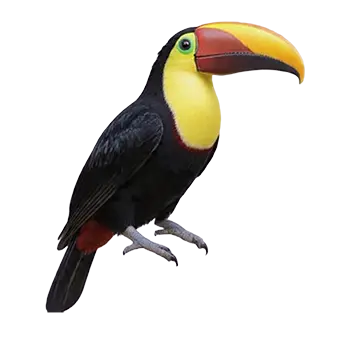

The transition from manageable age-related decline to terminal deterioration in a Swainson's Toucan can be gradual or sudden, depending on the underlying cause. In many cases, iron storage disease is the primary driver, with the liver reaching a point of functional failure after years of progressive iron accumulation. In other cases, organ failure unrelated to hemochromatosis, advanced neoplasia, or the cumulative effects of chronic disease bring the bird to a stage where recovery is no longer a realistic expectation. Recognizing this transition is one of the most difficult responsibilities a caregiver faces, and it requires an honest partnership with the bird's avian veterinarian.
The clinical signs of terminal decline in a toucan often begin with a sustained loss of appetite that does not respond to dietary changes or environmental adjustments. The bird may approach its food dish and show interest but eat only a fraction of its normal volume, or it may stop eating entirely. Weight loss accelerates, and the keel bone becomes increasingly prominent as muscle mass wastes. The bird's posture changes, often becoming hunched or fluffed, and it may spend most of its time on a low perch or on the cage floor rather than at its preferred roosting height.
Respiratory compromise is another common feature of terminal decline, particularly in birds with advanced hepatic disease. The enlarged, failing liver presses against the air sacs, reducing respiratory capacity and causing the bird to breathe with visible effort. Tail bobbing, open-mouth breathing, and audible respiratory sounds are all late-stage signs that indicate the bird is struggling to oxygenate. Abdominal distension from ascites, the accumulation of fluid in the body cavity, may also develop and further compromise breathing.
Behavioral withdrawal is perhaps the most emotionally painful indicator for the caregiver. A bird that once greeted its person with vocalizations and eager approach may become passive, unresponsive to familiar cues, and disinterested in interaction. This withdrawal is not a rejection of the caregiver but a reflection of the bird's diminishing energy and increasing discomfort. When these signs appear in combination and persist despite supportive care and veterinary intervention, it is time to have a candid conversation with the veterinarian about the bird's prognosis and the options that remain.