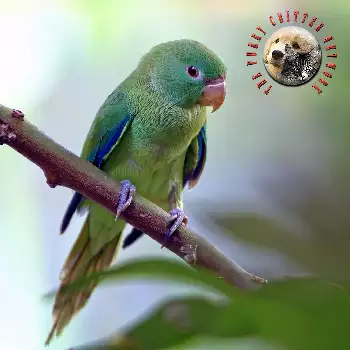

Determining when a Spectacled Parrotlet transitions from its prime adult years into the senior phase of life is not always straightforward, as there is no single birthday that marks the boundary. Generally, parrotlets begin showing age-related changes between fifteen and twenty years of age, though the onset varies significantly based on genetics, diet, environmental quality, and lifetime veterinary care. Unlike dogs and cats, where aging signs often appear dramatically over a short period, avian aging tends to be more gradual, and subtle changes can accumulate over months or years before they become obvious to even an attentive caregiver.
One of the earliest indicators of aging in a Spectacled Parrotlet is a gradual decrease in overall activity level. A bird that once spent hours flying, foraging, and playing with toys may begin spending more time resting on a favorite perch. This reduction in activity is often so gradual that it goes unnoticed unless the caregiver is making deliberate comparisons to the bird's behavior in previous years. Keep notes about your bird's daily activity patterns so that slow changes become apparent through documentation rather than relying on memory alone.
Physical changes that accompany aging may include a slight dulling of feather color and sheen, a gradual thinning of feather density particularly around the face and head, and changes in the texture or growth rate of the beak and nails. The skin around the feet may become drier and less supple, increasing susceptibility to pressure sores and bumblefoot if perching surfaces are not appropriate. Some senior parrotlets develop a slightly heavier body carriage or a subtle shift in posture as muscle tone diminishes and joints stiffen.
Behavioral changes often accompany the physical signs. A senior parrotlet may become less tolerant of disruptions to its routine, more selective about social interactions, or more prone to startling at unexpected stimuli. Some older birds become calmer and more affectionate, seeking more contact time with their preferred person, while others become more irritable and less inclined to be handled. Both patterns fall within the range of normal age-related behavioral shifts. What matters most is recognizing that changes in behavior, even subtle ones, may reflect underlying health changes that warrant veterinary evaluation rather than being dismissed as simply getting old.