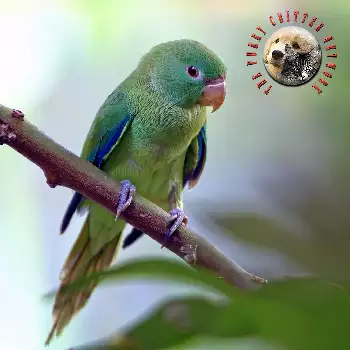

The First 24 Hours

Spectacled Parrotlet chicks hatch after an incubation period of approximately 18 to 22 days, arriving into the world as tiny, almost translucent creatures weighing between 2 and 3 grams. At this size they are among the smallest psittacine neonates commonly encountered in aviculture. The hatchling emerges with closed eyes, sparse wisps of white natal down, and limbs too weak to support any purposeful movement. Despite their diminutive stature, these chicks are surprisingly resilient when given the correct environmental conditions from the very first moments of life.

In a parent-raised clutch the hen will typically begin feeding the chick within the first few hours after hatching. Spectacled Parrotlet hens are generally attentive mothers, and the cock bird often contributes by feeding the hen so she can remain in the nest box with minimal disruption. The first crop fill the chick receives delivers essential nutrients along with beneficial microflora that colonize the digestive tract. If you are monitoring a breeder pair, resist the temptation to open the nest box repeatedly during these early hours, as unnecessary disturbances can cause the hen to abandon feeding or even damage the chick.

For hand-raised chicks, the first feeding should not occur until the yolk sac has been fully absorbed, which generally takes between eight and fourteen hours after hatching. Attempting to feed before absorption is complete places the chick at risk of yolk sac infection and digestive complications. You can visually assess absorption by gently examining the abdomen. A visible, dark yolk mass indicates the sac is still being processed. Once the abdomen appears smooth and the chick demonstrates a feeding response by bobbing its head, the first small feeding of thin hand-rearing formula can be offered.

The brooder must be prepared well before the anticipated hatch date. Because Spectacled Parrotlet chicks are so small, they lose body heat extremely rapidly. A well-calibrated incubator or brooder set to 96 to 99 degrees Fahrenheit with humidity between 60 and 65 percent is essential. Use a digital thermometer and hygrometer positioned at chick level rather than relying on wall-mounted gauges, which can read several degrees differently from the actual conditions at the bottom of the brooder where the chick rests.

Feeding & Nutrition

Feeding a Spectacled Parrotlet chick requires meticulous attention to detail, largely because of the bird's exceptionally small size. The crop of a newly hatched parrotlet holds only a fraction of a milliliter, meaning that both the volume and the consistency of formula must be precisely controlled. Overfeeding by even a tiny amount can stretch the crop dangerously, while underfeeding leads to dehydration and stunted growth. A high-quality commercial hand-feeding formula formulated for small parrots should be used, mixed according to the manufacturer's instructions and adjusted slightly thinner during the first two to three days of life.

Formula temperature is critical and must be verified with a thermometer before every feeding. The target range is 104 to 108 degrees Fahrenheit. Because the volumes involved are so small, the formula cools rapidly once drawn into the syringe, so work quickly and keep the prepared formula in a warm water bath between feedings. Formula that drops below 100 degrees can cause crop stasis, a condition where the crop fails to empty properly and the food begins to ferment. Conversely, formula that exceeds 110 degrees can inflict severe thermal burns on the delicate crop lining, sometimes with fatal consequences.

During the first week of life, Spectacled Parrotlet chicks need feeding every two hours from early morning through late evening. Overnight feedings may be necessary for the first three to four days if the chick is not maintaining weight between the last evening feed and the first morning feed. By the end of the first week, most healthy chicks can tolerate a six-hour overnight gap without significant weight loss. By the second week, the interval between daytime feedings can be extended to every three hours as the crop capacity increases and the chick becomes more efficient at digesting formula.

The feeding instrument of choice for parrotlet chicks is typically a 1-milliliter syringe fitted with a small, flexible tip or a bent spoon designed for the smallest psittacines. Larger syringes are difficult to control at the volumes required. Feed slowly, allowing the chick to pump and swallow at its own pace. Aspiration is a constant risk with such small birds because even a single drop of formula entering the trachea can overwhelm the tiny airway. If the chick sneezes, stops pumping, or you see any formula emerging from the nares, stop immediately and hold the chick gently upright until its breathing normalizes.

Daily weight records are indispensable. Weigh the chick every morning before the first feeding using a digital gram scale accurate to at least 0.1 grams. A healthy Spectacled Parrotlet chick should gain weight steadily each day, roughly doubling its hatch weight by the end of the first week. Any plateau lasting more than 24 hours or any weight loss warrants an immediate evaluation of feeding technique, formula preparation, brooder conditions, and overall chick health.

Developmental Milestones

Spectacled Parrotlet chicks progress through their early developmental stages at a pace that reflects their small body size and relatively short fledging period compared to larger parrot species. Understanding the normal timeline allows caregivers to identify delays or abnormalities before they become serious problems. As altricial birds, parrotlet chicks are born in an essentially embryonic state and undergo dramatic physical transformation over the course of just a few weeks.

During the first five to seven days, the chick is essentially a feeding and growing machine. Eyes remain sealed, and the chick spends the vast majority of its time sleeping between feedings. Movement is limited to lifting the head in response to vibrations or warmth near the beak, which triggers the feeding response. The skin gradually transitions from a translucent pinkish hue to a more opaque tone as subcutaneous fat reserves develop. By the end of the first week, the chick will have roughly doubled its hatch weight if nutrition and environmental conditions are adequate.

Eyes typically begin to slit open between days eight and twelve. Full eye opening usually occurs by around two weeks of age. Coinciding with this visual development, the first pin feathers begin to emerge along the wing tracts and down the spine. These tiny sheaths contain the developing feathers and give the chick a spiny, somewhat porcupine-like appearance. The emergence of pin feathers is an encouraging milestone that indicates the chick's protein intake and overall nutrition are supporting normal feather growth.

Between weeks three and four, the transformation accelerates noticeably. Pin feathers begin to unfurl, revealing the characteristic green plumage of the species. In male chicks, the blue eye ring markings that give the Spectacled Parrotlet its common name may begin to show faintly, though full adult coloration does not develop until later. The chick starts to develop coordinated leg strength, attempting to stand and grip the brooder substrate. Vocalizations diversify from simple feeding chirps to a broader repertoire of contact calls and exploratory sounds.

By the end of the fourth to fifth week, the chick is substantially feathered and increasingly mobile. Wing flapping exercises begin as the pectoral muscles develop, and the chick may attempt short, clumsy hops within the brooder. This period marks the very beginning of the weaning transition, as the chick may start to mouth soft foods placed nearby, though formula remains the primary nutrition source. The feeding response during hand-feeding sessions may begin to diminish slightly in intensity, signaling the early stages of dietary independence that will continue into the juvenile period.

Temperature & Environment

Environmental management for Spectacled Parrotlet neonates is particularly demanding because their tiny body mass provides almost no thermal buffer. A chick weighing two to three grams at hatch can become fatally chilled within minutes if removed from a properly heated environment. The brooder is not merely a convenience but a life-support system during the first several weeks, and its conditions must be monitored continuously rather than checked casually once or twice a day.

For the first week post-hatch, the brooder temperature should be maintained between 96 and 99 degrees Fahrenheit. This range closely approximates the temperature the chick would experience beneath the hen in a natural nesting scenario. As pin feathers emerge and the chick's thermoregulatory system begins to mature, the temperature can be reduced gradually, typically by one to two degrees every three to four days. By the time the chick is three weeks old and well covered in developing feathers, the brooder temperature can usually be brought down to 85 to 88 degrees. By week four to five, as the chick approaches full feathering, room temperature of 75 to 80 degrees is generally tolerable.

Humidity control is the often-neglected companion to temperature management. In the brooder, a relative humidity of 55 to 65 percent supports proper skin hydration and healthy feather development. Low humidity causes the pin feather sheaths to become brittle, making them difficult for the chick to preen open when the time comes. It also accelerates fluid loss through the skin and respiratory tract, contributing to subclinical dehydration that manifests as poor weight gain and sluggish crop emptying. Excessively high humidity, on the other hand, promotes the growth of bacteria and fungi in the warm brooder environment, increasing the risk of infections.

The brooder substrate must balance cleanliness with safety. For the first two weeks, unbleached paper towels or soft tissue laid flat provide a clean, easily replaced surface. Avoid loose particulate bedding such as wood shavings, corn cob, or sand, as parrotlet chicks will inevitably ingest small particles that can cause crop impaction or intestinal blockage. As the chick grows and becomes more mobile, a layer of clean paper towels over a textured rubber mat gives the developing feet a surface to grip, which is important for proper leg and toe development. Change the substrate at least twice daily and whenever it becomes soiled with droppings or spilled formula.

Ventilation is another factor that requires thoughtful management. The brooder needs adequate air exchange to prevent the buildup of ammonia from droppings and carbon dioxide from the chick's respiration, but drafts are dangerous. Position ventilation openings so that air circulates above the chick's level rather than blowing directly across it. If you are using a commercial brooder with a fan, ensure the fan speed is set to the lowest effective setting and that the chick is not positioned in the direct airflow path.

Early Socialization

Spectacled Parrotlets are naturally bold and curious birds, but this confident temperament does not develop automatically. The socialization experiences a chick receives during its first weeks of life profoundly shape its comfort with humans, tolerance of novel stimuli, and overall behavioral stability as an adult. Because parrotlets are small and often perceived as less demanding than larger parrots, the importance of deliberate early socialization is sometimes underestimated, but neglecting this window can produce a nippy, fearful, or socially withdrawn adult bird.

For hand-raised chicks, socialization begins with every feeding session. The chick learns to associate the sight of hands, the sound of a voice, and the warmth of human contact with the satisfaction of being fed. Speak to the chick in a calm, consistent tone during feedings and handling. Use the same greeting phrase each time you approach the brooder so the chick learns to anticipate positive interaction. Avoid wearing gloves during feeding unless medically necessary, as the chick needs to become accustomed to the texture and warmth of bare skin.

Once the chick's eyes open and it begins to show awareness of its surroundings, typically around ten to fourteen days, gentle handling sessions outside of feeding times become important. Cup the chick in your hands for a few minutes several times a day, allowing it to feel your warmth and hear your heartbeat. These sessions should be brief at first, no more than five minutes, and should always end on a positive note before the chick becomes stressed or chilled. Gradually increase the duration and introduce the chick to different family members so it learns to accept handling from multiple people rather than bonding exclusively to a single caregiver.

Environmental socialization is equally important. As the chick matures, introduce low-level household sounds such as quiet conversation, gentle music, and the ambient noise of daily life. Avoid sudden loud sounds or startling stimuli, but do not raise the chick in artificial silence either, as a bird accustomed only to quiet will be easily panicked by normal household activity. By the third to fourth week, the chick can be gently placed on a soft towel on a table or counter for supervised exploration periods, which build spatial confidence and encourage the natural curiosity that characterizes the species.

Parent-raised chicks present a different socialization challenge. The parents provide invaluable lessons in avian body language, flock dynamics, and species-appropriate behavior, but without regular human contact the chicks may grow up wary of people. Begin brief, gentle handling sessions around two weeks of age, carefully removing the chick from the nest box for just a few minutes at a time. The parents may initially protest, so work calmly and return the chick promptly. Over the following weeks, gradually extend these sessions so the chick becomes comfortable in human hands while still receiving the social education only its parents can provide.

Health Screening & Vet Visits

Veterinary oversight is essential for Spectacled Parrotlet chicks, despite the species being generally hardy compared to some more delicate psittacines. Locate an avian veterinarian with experience treating small parrots before your chicks hatch, as emergency situations with neonatal birds leave little time for searching. The first veterinary examination should occur within the first week of life for hand-raised chicks or as soon as feasible for parent-raised chicks, particularly if the breeding pair's health history is incomplete or if the chicks are from a newly acquired bloodline.

The initial examination for a parrotlet chick includes a thorough physical assessment, during which the veterinarian will evaluate body condition, skin turgor, eye and nare clarity, beak alignment, leg and toe structure, and the condition of emerging feathers. A crop swab is typically performed to culture for bacterial overgrowth, particularly Gram-negative organisms, and for candidiasis, a yeast infection that commonly affects hand-fed chicks when hygiene protocols are imperfect. A fecal sample, if obtainable, allows screening for intestinal parasites and provides additional information about the digestive flora.

Depending on the chick's origin and the veterinarian's risk assessment, DNA-based disease screening may be recommended. Polyomavirus is of particular concern in parrotlet chicks, as this virus disproportionately affects young psittacines and can cause rapid decline and death in neonates and juveniles. Psittacine Beak and Feather Disease, while more commonly associated with larger species, can also affect parrotlets. Chlamydiosis testing may be advised if the chick originated from a multi-species collection or if the health status of the parent birds is uncertain. These tests typically require a small blood sample, which an experienced avian veterinarian can obtain safely even from very young chicks.

Between veterinary visits, the caregiver serves as the primary health monitor. Maintain a daily health log that includes weight, feeding amounts and times, crop emptying times, droppings descriptions, and behavioral observations. Normal droppings in a formula-fed parrotlet chick consist of a small, soft fecal component, a white urate portion, and a small amount of liquid urine. Significant changes in color, consistency, volume, or frequency of droppings should be noted and discussed with your veterinarian. Weight tracking remains the single most reliable early indicator of health problems, as weight stagnation or loss typically precedes visible signs of illness by 12 to 24 hours in these small birds.

When to Worry

The small size of Spectacled Parrotlet chicks means that health problems can escalate from mild to life-threatening with alarming speed. A chick weighing just a few grams has minimal metabolic reserves and little tolerance for dehydration, infection, or nutritional deficit. Developing the ability to recognize early warning signs and respond quickly is one of the most important skills a parrotlet caregiver can cultivate. When any doubt exists, contacting your avian veterinarian promptly is always the safer course of action.

Weight loss or failure to gain weight is the most reliable and earliest warning sign of trouble. A healthy parrotlet chick in its first two weeks of life should show a net weight gain every day. A plateau lasting more than 24 hours is cause for concern, and any actual weight loss, even a fraction of a gram in a very young chick, demands immediate investigation. Begin by evaluating your feeding technique, formula preparation, and brooder conditions. If everything appears correct and the chick still is not gaining, a veterinary examination is warranted without delay.

Crop stasis, where the crop fails to empty within the expected timeframe, is a common and potentially dangerous condition in hand-fed chicks. A parrotlet chick's crop should empty within three to four hours of a feeding. If the crop remains full or partially full beyond this window, do not feed again on top of the retained formula. Instead, check the brooder temperature, as a cold chick cannot digest efficiently. Gently massage the crop in a circular motion to stimulate motility. If the crop has not emptied after an additional hour, or if the retained formula appears discolored or foul-smelling, seek veterinary assistance immediately, as bacterial or fungal infection of the crop contents is a real possibility.

Respiratory distress in a parrotlet chick may present as tail bobbing, open-mouth breathing, audible clicking or wheezing, or nasal discharge. Because these birds are so small, respiratory infections can overwhelm them in a matter of hours. Any respiratory symptom should be treated as an emergency. Keep the chick warm, minimize handling, and transport it to your avian veterinarian as quickly as possible. Aspiration of formula is a common cause of respiratory distress in hand-fed chicks and underscores the importance of careful feeding technique.

Other signs that warrant prompt veterinary attention include dehydration evidenced by tenting of the skin, sunken eyes, or dry and tacky mucous membranes; a distended or discolored abdomen; undigested food or unusual color in the droppings; lethargy or failure to respond to feeding stimuli; any bleeding; and abnormal posture such as persistent splaying of the legs or inability to hold the head upright. Splayed legs in particular are a condition that must be addressed very early, typically within the first week, with corrective bracing techniques if there is any chance of a successful outcome. As the bones harden with age, the window for correction closes rapidly.

Always consult a qualified professional before making any health-related decisions. This content is provided for informational reference only and should not replace professional guidance specific to your animal.