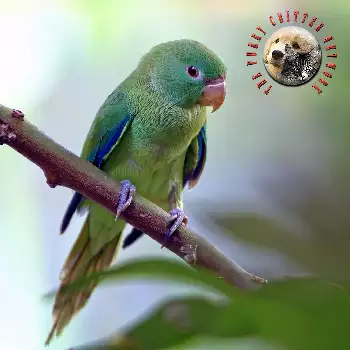

Optimal Adult Diet

An adult Spectacled Parrotlet's diet is the single most controllable factor influencing its long-term health, plumage quality, energy levels, and resistance to disease. Once the bird has completed its juvenile growth phase, the dietary focus shifts from supporting development to maintaining optimal body condition and preventing the chronic nutritional problems that are unfortunately common in captive parrotlets. Because these birds can live twenty to thirty years in captivity, the cumulative impact of dietary choices made during the adult years is enormous.

A nutritionally complete pelleted diet should remain the cornerstone of the adult parrotlet's food intake, constituting approximately 60 to 70 percent of total daily consumption. Pellets provide consistent, balanced nutrition without the selective feeding that occurs with seed mixtures, where the bird picks out its favorite high-fat seeds and ignores the rest. If your parrotlet was weaned onto pellets during the juvenile period, maintaining this preference is usually straightforward. If the bird was previously on a seed-heavy diet, conversion to pellets requires patience and should be done gradually over several weeks, never abruptly, to avoid nutritional crisis.

Fresh produce should make up approximately 20 to 30 percent of the daily diet and should be offered in as much variety as the bird will accept. Rotate offerings among dark leafy greens such as kale, Swiss chard, and dandelion greens; orange and yellow vegetables such as carrots, butternut squash, and bell peppers; cruciferous vegetables like broccoli and cauliflower; and modest amounts of fruit including berries, papaya, and pomegranate. Wash all produce thoroughly and chop it into pieces small enough for the parrotlet to manage comfortably. Remove uneaten fresh food within a few hours to prevent bacterial contamination, particularly in warm environments.

Seeds and nuts should be treated as treats and enrichment tools rather than dietary staples, limited to roughly five to ten percent of total intake. A small pinch of a quality small-parrot seed mix offered as a foraging reward or training treat is appropriate. Avoid sunflower seeds and safflower seeds as regular offerings due to their high fat content, which predisposes parrotlets to hepatic lipidosis, a serious and potentially fatal liver condition. Healthy treat options include a fragment of walnut or almond, a small piece of dried fruit without added sugar, or a sprig of millet used as a training reward.

Fresh, clean water must be available at all times. Change the water at least twice daily, as parrotlets frequently dunk food in their water dish, which accelerates bacterial growth. Some keepers use water bottles as a cleaner alternative, but if a bottle is used, verify that the bird knows how to use it and confirm that it is functioning properly each day. A malfunctioning water bottle can lead to dangerous dehydration within hours in a bird this small.

Behavioral Management

Adult Spectacled Parrotlets are characteristically spirited, confident, and assertive birds that pack an outsized personality into a very small body. Managing the behavioral tendencies of the species requires an understanding of parrotlet psychology, consistent boundary-setting, and a relationship built on mutual trust rather than dominance. Caregivers who mistake the parrotlet's small size for simplicity are often surprised by the strength of will these birds possess and the behavioral challenges that can emerge if their needs are not properly addressed.

Territoriality is among the most prominent behavioral traits of adult parrotlets and one that requires ongoing management. A Spectacled Parrotlet may become possessive of its cage, a favorite perch, a particular person, or even a specific object in its environment. Territorial behavior can manifest as lunging, biting, or refusing to step up when approached near the defended resource. The most effective strategy is prevention through environmental management. Rotate toys and rearrange perches regularly so the bird does not develop fixed attachments to specific locations. Always interact with the bird away from its cage for training and socialization, as the cage interior is the space most likely to trigger territorial defense.

Biting in adult parrotlets is a behavior that many owners struggle with, partly because the parrotlet's small beak can inflict a surprisingly painful pinch and partly because the biting is often inadvertently reinforced. Biting serves various functions for the bird, including communication of displeasure, defense of territory, testing of boundaries, and displacement behavior when the bird is anxious or overstimulated. Identifying the trigger for each biting episode is essential for addressing it effectively. A bird that bites when returned to its cage is communicating different information than a bird that bites when a stranger approaches, and the management strategies for each scenario differ accordingly.

Hormonal behavior in adult parrotlets typically intensifies during the natural breeding season, which for Spectacled Parrotlets can be triggered by increasing day length, warmer temperatures, and the availability of dark enclosed spaces that mimic nest cavities. Hormonal birds may become more aggressive, more vocal, more possessive of their favorite person, and may engage in regurgitative feeding toward a mirror, toy, or human hand. Managing hormonal behavior involves controlling environmental triggers. Ensure the bird receives no more than twelve hours of light per day, remove any hut-like structures or enclosed spaces from the cage, avoid warm and mushy foods that mimic breeding-season abundance, and limit petting to the head and neck only, as stroking the back and wings stimulates hormonal responses.

Maintaining and advancing the training foundation established during the juvenile period is an ongoing responsibility throughout adulthood. Regular short training sessions of five to ten minutes daily keep the bird mentally engaged, reinforce the cooperative relationship between bird and caregiver, and provide an opportunity to address emerging behavioral issues before they become entrenched. Expand the bird's repertoire beyond basic step-up to include recall training, station training, and cooperative behaviors such as voluntarily entering a travel carrier or presenting feet for nail inspection.

Exercise & Enrichment

Physical activity and mental stimulation are not optional extras for an adult Spectacled Parrotlet but fundamental requirements that directly affect the bird's physical health, psychological wellbeing, and behavioral stability. In the wild, Spectacled Parrotlets spend their days foraging across territories that may span several kilometers, navigating complex three-dimensional environments, interacting with flock members, and evading predators. A captive parrotlet deprived of adequate exercise and enrichment develops the avian equivalent of a sedentary, unstimulated lifestyle, leading to obesity, muscle atrophy, feather-destructive behavior, chronic stress, and a shortened lifespan.

Daily out-of-cage flight time in a safe, bird-proofed room is the most important form of exercise for an adult parrotlet. A minimum of two to three hours of supervised free-flight time per day allows the bird to exercise its flight muscles, practice maneuverability, and satisfy its need for exploration and environmental engagement. Before releasing the bird, secure all windows and doors, cover mirrors and large windows, turn off ceiling fans, remove toxic houseplants, and ensure no open water containers, hot surfaces, or other hazards are accessible. Many parrotlet owners designate a specific room as the bird's flight room and bird-proof it permanently.

In-cage enrichment must be varied and rotated regularly to prevent habituation. Parrotlets are manipulative foragers that enjoy toys they can disassemble, chew, and destroy. Provide a rotating selection of shreddable toys made from untreated wood, palm leaves, coconut fiber, and bird-safe leather. Puzzle feeders that require the bird to work for a food reward engage the problem-solving intelligence that is a hallmark of the species. Foraging trays filled with clean paper strips, wooden beads, and hidden treats encourage natural food-seeking behavior that occupies a significant portion of the bird's active hours.

Foraging enrichment deserves special emphasis because it addresses both the physical and cognitive needs of the bird simultaneously. In the wild, parrotlets spend the majority of their waking hours searching for, identifying, and processing food. A captive bird that simply walks to an open dish and eats has lost this entire behavioral repertoire. Convert the bird's daily food allocation into a foraging challenge by wrapping portions in paper, hiding pellets inside wooden toys, threading vegetables onto stainless steel skewers, and distributing food throughout the cage rather than concentrating it in a single location. Start with easy foraging challenges and gradually increase difficulty as the bird becomes more proficient.

Social enrichment is the third pillar of a complete enrichment program. If you keep a single parrotlet, your daily interaction with the bird fulfills much of its social need, but the quality and variety of that interaction matters. Talk to the bird throughout the day, include it in household activities when safe, and provide dedicated one-on-one interaction that goes beyond simply having the bird sit on your shoulder. Training sessions, supervised exploration of new environments, and interactive play all contribute to a socially fulfilled bird. If you keep multiple parrotlets, be aware that same-sex pairs, particularly two males, can be highly aggressive toward each other, and even mixed-sex pairs require careful introduction and monitoring.

Routine Health Maintenance

Proactive health maintenance during the adult years is the foundation of a long, high-quality life for a Spectacled Parrotlet. Because birds are prey animals that instinctively mask signs of illness to avoid attracting predators, a parrotlet can appear perfectly healthy while harboring a progressive disease process. By the time visible symptoms appear, the illness may be significantly advanced. Routine veterinary care and diligent home monitoring work together to detect problems in their earliest, most treatable stages.

Annual wellness examinations with a qualified avian veterinarian should be considered non-negotiable for every adult parrotlet. The annual visit typically includes a thorough physical examination covering body condition, feather quality, beak and nail assessment, eye and nare clarity, palpation of the abdomen, auscultation of the heart and air sacs, and evaluation of the musculoskeletal system. Blood work, including a complete blood count and a basic chemistry panel, provides objective data about organ function and can reveal early signs of liver disease, kidney insufficiency, infection, or metabolic abnormalities before clinical symptoms appear.

Grooming needs during adulthood include periodic nail trimming and, less frequently, beak maintenance. Nails should be trimmed whenever they become long enough to interfere with perching or to catch on fabric and toys. A network of natural wood perches of varying diameters helps maintain nail length between trims and promotes healthy foot musculature. Beak overgrowth is less common in parrotlets that have adequate chewing enrichment, as the natural wear from processing wood and other hard materials usually keeps the beak in proper shape. If the beak does become overgrown or misaligned, have it assessed and corrected by your veterinarian rather than attempting to file or trim it yourself.

Home health monitoring should be a daily practice woven into the normal routine of caring for the bird. Observe the parrotlet's behavior each morning. Is it alert, active, and responsive? Is it eating and drinking normally? Are the droppings consistent in appearance, with a well-formed fecal portion, white urate component, and small amount of clear urine? Any change in behavior, appetite, vocalization patterns, posture, or droppings warrants closer attention and potentially a veterinary consultation. Weigh the bird weekly on a gram scale and record the results. A gradual weight change of two to three grams over several weeks is significant in a bird that weighs only thirty grams and may indicate a developing health issue.

Environmental health maintenance is equally important. The cage should be cleaned daily, with a thorough disinfection weekly. Food and water dishes must be washed with hot soapy water and rinsed thoroughly at each change. Air quality in the bird's room should be monitored, keeping the space free from cooking fumes, cigarette smoke, scented candles, air fresheners, and aerosol sprays, all of which can damage the parrotlet's sensitive respiratory system. Nonstick cookware containing polytetrafluoroethylene is an invisible killer of pet birds; when overheated, it releases fumes that can cause acute respiratory failure and death within minutes. Remove all PTFE-coated items from the household or, at minimum, never use them in the same building where the bird lives.

The Cage & Living Environment

The cage and its surrounding environment constitute the adult Spectacled Parrotlet's primary living space, and the quality of this environment has a direct and continuous impact on the bird's physical health, psychological state, and behavioral expression. While parrotlets are small birds, they are active, curious, and surprisingly spatial in their use of their environment, and they deserve a living space that respects these characteristics rather than one chosen purely for the convenience of fitting into a small apartment.

The minimum recommended cage size for an adult Spectacled Parrotlet is 18 by 18 by 18 inches, but a larger cage is always preferable if space permits. Bar spacing is a critical safety consideration for these small birds. Spacing should be no more than half an inch to prevent the bird from wedging its head between the bars, which can result in injury or strangulation. The cage should be constructed of powder-coated or stainless steel bars. Avoid cages with zinc-coated or galvanized wire, as parrotlets frequently chew on cage bars and can ingest zinc particles, leading to zinc toxicosis, a serious and potentially fatal condition.

Cage placement within the home affects the bird's sense of security and its exposure to environmental stressors. Position the cage with at least one side against a wall, which provides the bird with a sense of backed security and reduces the feeling of being exposed from all directions. The cage should be in a room where the family spends regular time so the bird benefits from social stimulation, but not in the kitchen, where cooking fumes and temperature fluctuations pose health risks. Avoid placing the cage in direct sunlight where the bird cannot escape the heat, near exterior doors where drafts occur, or next to windows that face areas where wild birds or predators might be visible, as repeated exposure to perceived threats causes chronic stress.

Perching arrangement within the cage deserves thoughtful attention. Replace dowel perches with natural wood branches of varying diameters, ideally from bird-safe tree species such as manzanita, java wood, dragonwood, or fruit tree branches that have not been treated with pesticides. Varying diameters exercise different foot muscles and help prevent pressure sores and bumblefoot, a bacterial infection of the foot pad that develops when the bird stands on uniform surfaces. Position perches at multiple heights but avoid cluttering the cage to the point where the bird cannot move freely between them. Place the highest perch at a height where the bird can sleep comfortably without its tail touching the cage floor or wall.

Lighting plays an underappreciated role in the parrotlet's health and behavior. Birds perceive a broader spectrum of light than humans, including ultraviolet wavelengths that are filtered out by window glass. A full-spectrum avian light positioned near the cage and set on a timer to provide ten to twelve hours of light followed by twelve to fourteen hours of darkness supports vitamin D3 synthesis, natural hormonal cycling, and accurate color perception. Consistent light-dark cycles are particularly important for regulating hormonal behavior. A bird exposed to prolonged or irregular light schedules may develop chronic hormonal issues that manifest as aggression, persistent egg-laying in females, or other reproductive behavioral problems.

Common Adult Health Concerns

While Spectacled Parrotlets are generally considered a hardy species, adult birds are susceptible to a range of health conditions that every owner should be able to recognize. Early identification and prompt veterinary intervention dramatically improve outcomes for most avian diseases, and familiarity with the most common conditions ensures that the caregiver can respond appropriately rather than waiting until symptoms become severe.

Hepatic lipidosis, commonly known as fatty liver disease, is one of the most prevalent health problems in captive parrotlets and is almost entirely attributable to diet. Birds fed predominantly seed-based diets consume excessive fat and insufficient essential nutrients, leading to fat accumulation in the liver that progressively impairs organ function. Early signs include a gradually increasing body weight, a visible accumulation of subcutaneous fat along the keel and abdomen, an overgrown or flaky beak, and decreased activity levels. Advanced cases may present with labored breathing, feather discoloration, and sudden collapse. The condition is preventable through proper diet and reversible in its early stages with dietary correction and veterinary-guided nutritional support.

Respiratory infections represent another common concern and can be caused by bacterial, viral, fungal, or environmental agents. Spectacled Parrotlets housed in environments with poor air quality, inadequate ventilation, or exposure to aerosolized irritants are at elevated risk. Signs of respiratory distress include tail bobbing, open-mouth breathing, a change in voice quality, nasal discharge, sneezing, and audible wheezing or clicking. Aspergillosis, a fungal infection caused by Aspergillus mold spores, is particularly insidious because it can establish itself in the air sacs and lungs before producing obvious symptoms. Maintaining clean, dry living conditions and good air quality is the primary prevention strategy.

Feather-destructive behavior, while more commonly discussed in larger parrot species, can also affect Spectacled Parrotlets. Feather plucking, barbering, and over-preening can result from medical causes such as skin infections, nutritional deficiencies, or endocrine imbalances, or from behavioral causes including boredom, anxiety, sexual frustration, or chronic stress. Determining the underlying cause requires a thorough veterinary workup to rule out medical factors before addressing behavioral components. Treatment is most successful when initiated early, before the behavior becomes a deeply ingrained habit.

Gastrointestinal issues, including bacterial infections, yeast overgrowth, and parasitic infestations, can affect adult parrotlets at any age. Changes in droppings, including color shifts, changes in consistency, undigested food particles, or a dramatic increase or decrease in volume, often provide the first indication of a digestive problem. Proventricular dilatation disease, though more commonly diagnosed in larger psittacines, has been documented in parrotlets and should be considered in birds presenting with chronic weight loss, undigested food in droppings, and regurgitation. Annual fecal examinations during the wellness visit help screen for parasites and abnormal bacterial populations before they cause clinical disease.

Building a Lasting Bond

The adult years of a Spectacled Parrotlet's life represent the longest phase of the bird's existence and offer the deepest opportunity for building a mutually rewarding relationship between parrot and caregiver. Unlike dogs or cats, which reach social maturity relatively quickly, a parrotlet's relationship with its owner continues to evolve over years and even decades. The bond that develops depends not on grand gestures but on the accumulation of thousands of small, consistent interactions built on respect, understanding, and genuine engagement.

Consistency is the bedrock of trust with a parrotlet. These birds are creatures of routine who derive security from predictable patterns. Maintain regular schedules for waking, feeding, out-of-cage time, training, and bedtime. When changes to the routine are unavoidable, make them gradually when possible and provide extra reassurance during transitions. A parrotlet whose schedule is chaotic and unpredictable is a bird living in a state of low-grade stress, which erodes both health and the quality of the human-bird relationship over time.

Respect the bird's autonomy and communication. Parrotlets communicate clearly through body language, and a caregiver who learns to read these signals builds a relationship based on two-way communication rather than one-sided control. A bird that pins its eyes, fans its tail, and lunges is communicating that it does not want to be touched at that moment. Respecting that communication, stepping back, and re-engaging later teaches the bird that its signals are heard and its boundaries are respected. This builds trust far more effectively than forcing interaction and dealing with the resulting bite.

Shared activities strengthen the bond. Include the parrotlet in your daily life in ways that are safe and enriching for the bird. Many parrotlet owners find that their bird enjoys sitting on a shoulder during reading or quiet computer work, supervising from a play stand during meal preparation away from the stove, or riding along on errands in a secure travel carrier. Training sessions are another form of shared activity that deepens the bond while keeping the bird mentally engaged. Teach new tricks or behaviors periodically to maintain the novelty and challenge that keeps a smart bird interested.

Accept the parrotlet for what it is rather than what you wish it were. These are not cuddly, docile birds. They are feisty, opinionated, sometimes nippy, fiercely loyal, endlessly entertaining, and full of personality. Owners who embrace the parrotlet's natural temperament rather than trying to suppress it tend to have the most rewarding relationships with their birds. A well-managed parrotlet that is free to express its natural behaviors within appropriate boundaries is a confident, secure, and affectionate companion that brings joy for decades.

Finally, plan for the long term. A Spectacled Parrotlet that receives proper care can live twenty to thirty years, which means the bird may outlast changes in your living situation, career, relationships, and health. Include the bird in your long-term planning. Identify a trusted person who can care for the parrotlet if you are temporarily or permanently unable to do so. Document the bird's care requirements, dietary preferences, veterinary history, and behavioral quirks so that a successor caregiver has the information needed to continue providing excellent care.

Always consult a qualified professional before making any health-related decisions. This content is provided for informational reference only and should not replace professional guidance specific to your animal.