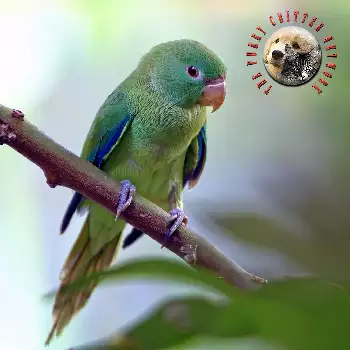

Breeding Readiness & Pair Selection

Successful breeding of Spectacled Parrotlets begins long before the first egg is laid, with careful evaluation of breeding readiness and thoughtful pair selection. These foundational decisions determine not only whether a clutch will be produced but also the health of the parent birds, the viability of the offspring, and the genetic contribution the pairing makes to the captive population of this species. Breeding should never be undertaken casually or without a plan for the responsible placement of every chick produced.

Spectacled Parrotlets reach sexual maturity at approximately one year of age, but responsible breeders generally wait until both the male and female are at least fourteen to eighteen months old before allowing them to breed. Breeding birds that are too young increases the risk of egg binding in undersized females, poor parenting behavior due to behavioral immaturity, and substandard chick development from nutritionally stressed parents. The breeding pair should be in excellent physical condition, at a healthy weight, with bright plumage, clear eyes, and no signs of respiratory, digestive, or systemic illness.

Pair compatibility is a significant factor in Spectacled Parrotlet breeding success. Unlike some parrot species that will accept any mate of the opposite sex, parrotlets can be highly selective, and an incompatible pair may never breed, or worse, may injure or kill each other. Introduce potential pairs gradually, housing them in adjacent cages where they can see and hear each other without physical contact. Observe their behavior over several weeks. Compatible pairs will sit near each other on adjacent perch ends, vocalize to each other, and display mutual preening attempts through the bars. Aggressive displays such as lunging, biting at the separating bars, or sustained agitation indicate incompatibility and the pairing should not be forced.

Genetic considerations are essential for any breeding program, even a small one. Avoid pairing closely related birds, as inbreeding increases the probability of genetic defects, reduced immune competence, and decreased fertility in subsequent generations. If possible, obtain the lineage history of both birds and verify that they do not share recent ancestors. For breeders working with color mutations, a thorough understanding of parrotlet genetics is necessary to predict offspring colors and to avoid producing chicks with lethal gene combinations that some mutation pairings can produce.

Before pairing, both birds should undergo a comprehensive veterinary examination including blood work and testing for transmissible diseases. Polyomavirus, Psittacine Beak and Feather Disease, and Chlamydiosis can all be passed from parents to offspring and can devastate a clutch. Establishing the health status of both birds before breeding protects the parents, the chicks, and any other birds in your collection.

Pre-Breeding Conditioning

Conditioning the breeding pair in the weeks leading up to the breeding attempt is a process of nutritional fortification, environmental optimization, and hormonal stimulation that prepares both birds physiologically and behaviorally for the demands of reproduction. Well-conditioned parents produce larger, more viable clutches, provide better care for their chicks, and recover more quickly from the breeding effort than birds brought into breeding condition hastily or without adequate preparation.

Nutritional conditioning should begin four to six weeks before the intended breeding period. Increase the protein content of the diet by adding cooked egg mixed with finely chopped vegetables, sprouted seeds and legumes, and small amounts of well-cooked quinoa or lentils. These protein-rich foods support egg formation in the hen and sperm production in the cock. Calcium supplementation must be significantly increased for the hen, as each egg draws heavily on her calcium reserves. In addition to a cuttlebone, offer calcium-rich foods such as finely crushed eggshell baked to sterilize it, dark leafy greens, and a veterinarian-approved liquid calcium supplement. Inadequate calcium is a primary contributor to egg binding, a life-threatening emergency.

Environmental conditioning involves manipulating light cycles and providing nesting stimuli that trigger reproductive hormones. Gradually increase the photoperiod to thirteen to fourteen hours of light per day over a two-week period, mimicking the lengthening days that signal the approach of the breeding season in the wild range of the species. Provide the pair with a nest box to inspect and explore, which further stimulates breeding behavior. The presence of soft nesting material such as untreated wood shavings and shredded paper allows the hen to begin arranging the nest interior, a behavior that indicates she is hormonally responsive and approaching laying condition.

The male's conditioning is sometimes overlooked but is equally important. The cock bird must be in peak health to produce viable sperm and to perform his critical role as the hen's primary food provider during incubation. During the incubation period, the hen leaves the nest box only briefly, and the male feeds her through regurgitation. A male in poor condition will be unable to sustain this demanding feeding schedule, leading to nutritional stress for the hen and abandonment of the clutch.

Watch for behavioral signs that the pair is approaching breeding readiness. The male will increase courtship displays, including head bobbing, regurgitative feeding of the hen, and close physical contact. The hen will begin spending increasing time inside the nest box, rearranging the bedding material and adopting a receptive posture when the male approaches. Copulation may occur multiple times daily in the days leading up to the first egg. If these behaviors are observed, breeding is likely imminent and the caregiver should ensure that the nest box, diet, and environment are fully optimized.

Nest Box Setup & Egg Laying

The nest box is the centerpiece of the breeding environment and its design, placement, and maintenance directly influence whether the hen will lay, how well she incubates, and how successfully the chicks develop during their earliest days. Spectacled Parrotlets are cavity nesters in the wild, using natural tree hollows, old woodpecker holes, and similar enclosed spaces to raise their young. The captive nest box should replicate the essential features of these natural cavities while allowing the breeder convenient access for monitoring.

A suitable nest box for Spectacled Parrotlets measures approximately 6 by 6 by 8 inches, with an entrance hole of about 2 inches in diameter positioned near the top of one side. The box can be constructed from untreated plywood or purchased as a commercially manufactured parrotlet nest box. Mount the box on the outside of the cage at the highest practical point, as most parrotlets prefer an elevated nesting site. Ensure the box is securely attached and positioned so that the breeder can open the inspection door without significant disturbance to the hen. A hinged top or side panel allows for egg checks and chick monitoring with minimal disruption.

Fill the bottom of the nest box with a layer of untreated pine or aspen wood shavings approximately one to two inches deep. Avoid cedar shavings, which contain aromatic oils that can irritate the respiratory system and may be toxic to developing embryos. The hen will rearrange the shavings to create a shallow depression where the eggs will sit. Some breeders add a concave wooden insert beneath the shavings to help keep the eggs centered and prevent them from rolling to the corners of the box where incubation coverage may be inadequate.

Spectacled Parrotlet hens typically lay between four and seven eggs per clutch, with one egg deposited every other day until the clutch is complete. The eggs are small, white, and roughly ovoid. Incubation usually begins in earnest after the second or third egg is laid, meaning that the first eggs will have a head start in development and the clutch will hatch asynchronously over several days. This staggered hatching is normal for the species and results in chicks of slightly different sizes within the same nest.

During the laying period, monitor the hen closely for signs of egg binding, a condition where an egg becomes lodged in the reproductive tract and the hen is unable to pass it. Signs include straining, sitting on the cage floor in a fluffed posture, tail pumping, labored breathing, and a visibly distended abdomen. Egg binding is a veterinary emergency that can be fatal within hours if untreated. If you suspect egg binding, keep the hen warm, maintain humidity, and transport her to an avian veterinarian immediately. The most effective prevention is ensuring adequate calcium and vitamin D3 intake during the pre-breeding and laying periods.

Incubation & Hatching

The incubation period for Spectacled Parrotlet eggs spans approximately 18 to 22 days, during which the hen assumes the primary incubation role while the cock bird serves as her dedicated food provider and nest guard. Understanding the normal progression of incubation and hatching allows the breeder to monitor the process effectively, identify problems early, and intervene when necessary without causing unnecessary disruption to what is ideally a parent-managed process.

Once full incubation begins, the hen will spend the vast majority of her time inside the nest box, leaving only for brief periods to defecate and occasionally to eat and drink. The male feeds her through the nest box entrance via regurgitation, and a well-bonded, well-conditioned male will attend to this duty diligently. If you observe the hen leaving the nest box for extended periods or if the male is not feeding her consistently, the clutch may be at risk of chilling or abandonment. In such cases, evaluate the male's health and food availability, and consider whether supplemental feeding of the hen outside the box is necessary.

Egg fertility can be checked through candling beginning around day five to seven of incubation. Using a small, bright penlight held against the egg in a darkened room, fertile eggs will show a network of blood vessels radiating outward from a central embryo. Infertile eggs will appear uniformly clear or show only a vague shadow without defined vascular structures. Clear eggs can be removed from the clutch to allow the hen to concentrate her incubation effort on the viable eggs, but handle all eggs with clean, warm hands and return them to the nest box promptly to prevent chilling.

As hatching approaches, typically around day 17 or 18, the embryo will internally pip, breaking into the air cell at the blunt end of the egg to begin breathing independently. External pipping, where the chick creates a small crack or hole in the shell, usually follows within 24 to 48 hours. The hatching process from first external pip to full emergence can take 12 to 36 hours and should not be rushed. Resist the urge to assist unless the chick has made no progress in more than 48 hours after external pipping, the membrane has dried and adhered to the chick, or the chick is clearly in distress. Premature assistance can cause fatal hemorrhage from blood vessels in the membrane that have not yet closed.

Hatching will occur asynchronously over several days as each egg reaches full term based on when full incubation of that egg began. The first chick may be two to three days old by the time the last egg hatches. This age differential creates a size hierarchy within the clutch that is normal for the species. However, the smallest, youngest chicks are at risk of being outcompeted for food by their larger siblings. Monitor the weights of all chicks daily, and if the youngest chick falls significantly behind, supplemental hand-feeding may be necessary to ensure its survival.

Chick Development Under Parental Care

When parent-raised by a healthy, experienced pair, Spectacled Parrotlet chicks develop under conditions that are difficult to replicate artificially. The parents regulate temperature, humidity, feeding frequency, feeding composition, and social stimulation in ways that respond dynamically to the chicks' changing needs. Understanding the normal progression of parent-raised chick development helps breeders monitor progress, identify when intervention is needed, and provide appropriate support without undermining the parents' natural competence.

During the first week, the chicks are entirely dependent on the hen for warmth and feeding. The hen broods the chicks continuously, leaving the nest box only for brief periods while the male takes over warming duties or while the chicks' down provides sufficient insulation for a short absence. Chick growth during this period is rapid relative to body size. A healthy chick should roughly double its hatch weight by the end of the first week. Weigh the chicks daily by gently removing them from the nest box, recording their weights, and returning them promptly. Keep handling to the minimum necessary for weighing and visual inspection during the first week to avoid stressing the parents.

By the second week, the chicks' eyes begin to open and the first pin feathers emerge along the wing tracts. The hen may begin spending slightly more time outside the nest box as the chicks' developing down and emerging feathers provide better insulation. The cock bird continues to be the primary food provider, feeding the hen who in turn feeds the chicks, though some experienced males may begin feeding the older chicks directly through the nest box entrance. Droppings should be monitored for consistency. Normal chick droppings are semi-formed and whitish. Watery, discolored, or foul-smelling droppings suggest digestive or bacterial issues requiring veterinary attention.

Weeks three through five bring dramatic physical transformation. Contour feathers unfurl from their sheaths, progressively covering the chicks in the species' characteristic green plumage. Male chicks may begin showing the faint blue facial markings that will become more prominent with age. The chicks become increasingly active and vocal within the nest box, and their feeding calls become louder and more insistent as their nutritional demands grow. The parents' workload during this period is substantial, and breeders should ensure that abundant, high-quality food is available at all times to prevent nutritional depletion of the parent birds.

Fledging typically occurs between five and seven weeks of age, when the chicks leave the nest box for the first time. The initial departures are tentative, with chicks clinging to the cage bars near the nest box entrance and retreating back inside at the first sign of uncertainty. Over the following days, the chicks become bolder, exploring the cage, attempting short flights, and beginning to sample solid food while still being fed by the parents. This period requires careful supervision, as newly fledged chicks are clumsy fliers prone to crash landings and may become trapped behind cage furniture or in water dishes. Ensure the cage environment is safe for uncoordinated fledglings and continue monitoring weight to confirm that the chicks are maintaining growth as they transition away from exclusive parental feeding.

Post-Breeding Recovery

The breeding cycle places significant physiological demands on both parent birds, and providing adequate recovery time between clutches is essential for maintaining long-term health and breeding viability. Spectacled Parrotlet hens in particular undergo substantial metabolic stress during egg production, incubation, and chick rearing, depleting calcium reserves, protein stores, and overall body condition. Pushing pairs to produce back-to-back clutches without recovery is a common mistake that leads to declining fertility, increasingly fragile eggs, weakened chicks, egg binding, and premature aging of the breeding birds.

Once the chicks are weaned and independent, remove the nest box immediately. Leaving the nest box in the cage signals to the pair that another breeding cycle is welcome, and most healthy parrotlets will initiate a new clutch promptly if given the opportunity. Without the nest box, the hormonal stimulus to breed is reduced, and both birds can redirect their energy toward physical recovery. Reduce the photoperiod back to ten to twelve hours of light per day, which further suppresses reproductive hormone production.

Nutritional recovery should focus on replenishing the reserves the breeding effort depleted. Continue offering calcium-rich foods and protein supplements for several weeks after the nest box is removed, particularly for the hen. Monitor both birds' weight and body condition. A hen that has lost significant weight or muscle mass during breeding should be given additional recovery time before any future breeding attempt. Similarly, a male that has been feeding a large clutch may have depleted his own reserves and need nutritional support.

A minimum rest period of four to six months between clutches is recommended for Spectacled Parrotlets, and many experienced breeders limit their pairs to two clutches per year at most. Some breeders follow a schedule of one spring clutch and one autumn clutch with a long rest period between, while others breed only once annually to prioritize the long-term health of their breeding stock. There is no commercial justification for exceeding these limits, and breeders who push for maximum production invariably see declining results and shortened breeding lives in their birds.

Use the recovery period to evaluate the pair's overall breeding performance and the quality of the chicks produced. Review the clutch size, fertility rate, hatch rate, chick survival rate, and the condition of both parents at the end of the cycle. If any of these metrics were below expectations, investigate potential causes such as nutritional deficiency, environmental stressors, pair incompatibility, or underlying health issues. Adjusting management based on this evaluation improves outcomes in subsequent breeding cycles and demonstrates the kind of thoughtful, data-driven approach that distinguishes responsible breeding from casual reproduction.

Ethics & Responsible Breeding

Breeding Spectacled Parrotlets carries a responsibility that extends well beyond the mechanics of pairing birds and hatching chicks. Every breeding decision contributes to or detracts from the welfare of the individual birds involved, the health of the captive population as a whole, and the broader reputation of aviculture. Responsible breeders approach reproduction as a commitment to producing healthy, well-socialized birds for which suitable homes have been identified before or shortly after hatching, rather than treating breeding as a commercial enterprise driven by market demand.

The question of whether to breed at all deserves honest evaluation. The market for companion parrotlets fluctuates, and producing chicks without confirmed homes creates the risk of birds ending up in substandard care, being rehomed multiple times, or spending years in overcrowded rescue facilities. Before initiating a breeding program, assess the demand for Spectacled Parrotlet chicks in your area, identify the qualities that distinguish your birds from those already available, and establish a network of vetted prospective buyers or adopters who have the knowledge, resources, and commitment to provide lifelong care.

Genetic responsibility means maintaining detailed records of every bird's lineage and making pairing decisions that prioritize genetic diversity and health over color mutations or market-driven aesthetics. The Spectacled Parrotlet is less commonly bred in captivity than the closely related Pacific Parrotlet, which makes genetic stewardship of the captive population particularly important. Avoid repeated pairings of the same bloodlines, and collaborate with other breeders to exchange unrelated stock when possible. Some breeders participate in stud book programs or species-specific breeding cooperatives that coordinate pairings across multiple collections to maintain genetic health.

The welfare of individual breeding birds must never be subordinated to production goals. A hen that shows declining health, persistent egg binding, or poor maternal behavior should be retired from breeding regardless of her genetic value or the demand for her offspring. Similarly, a male that is persistently aggressive toward hens or toward chicks should not be bred, as temperament has a heritable component and perpetuating aggression undermines the suitability of offspring as companion animals. Retired breeding birds should transition to comfortable lives as companion animals or be placed in homes where they will receive appropriate care.

Chick placement practices reflect the breeder's values and commitment to the birds they produce. Screen potential buyers or adopters carefully, asking about their experience with parrots, their living situation, their understanding of parrotlet-specific care requirements, and their willingness to establish a relationship with an avian veterinarian. Provide every new owner with comprehensive written care instructions, the chick's hatch date, parentage information, health records, and a band number if applicable. Offer ongoing support and make clear that you will accept the bird back if the owner is ever unable to continue its care. This lifetime commitment to every bird you produce is the hallmark of ethical breeding practice.

Always consult a qualified professional before making any health-related decisions. This content is provided for informational reference only and should not replace professional guidance specific to your animal.