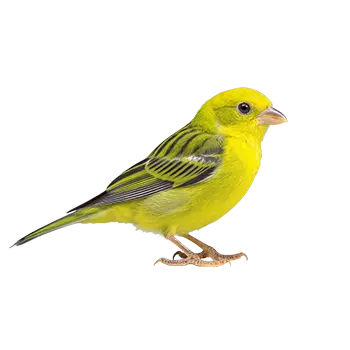

The juvenile stage of the Spanish Timbrado Canary begins with one of the most consequential transitions in the bird's life: weaning from parental feeding to independent eating. This process typically starts around 21 to 25 days of age, when the fledged chick begins pecking at food items in the cage while still soliciting and receiving regurgitated meals from the parents. Weaning is not a sudden event but a gradual shift that unfolds over approximately one to two weeks, and the pace should be dictated by the chick rather than imposed by the breeder.
During the early weaning period, the chick experiments with different foods by mouthing, cracking, and occasionally swallowing seeds and soft foods placed on the cage floor or in low, easily accessible dishes. Egg food, soaked seed, and finely chopped greens are ideal first foods because they are soft enough for the chick's still-developing beak and digestive system to manage. Scattering these items on the cage floor near where the chick perches encourages natural foraging behavior and helps the chick make the connection between the food it sees and the nourishment it provides.
The parents play an active role in the weaning process, even if it appears otherwise. As the chick becomes more capable of self-feeding, the hen and cock bird gradually reduce the frequency and volume of regurgitated feedings. Some hens will actively rebuff begging attempts from chicks that are developmentally ready to feed themselves, nudging them toward independence. This natural dynamic should not be interfered with unless the chick shows signs of weight loss or dehydration, which would indicate that self-feeding has not yet compensated for the reduction in parental feeding.
The chick should not be separated from the parents until it has been observed eating independently for at least five to seven consecutive days and is maintaining stable weight without parental feedings. Premature separation is one of the most common causes of setbacks during the juvenile stage, leading to weight loss, stress, and in severe cases, regression to begging behavior that the chick can no longer satisfy. When separation does occur, placing the chick in a cage within sight and sound of the parents helps ease the transition and reduces the stress of sudden isolation.