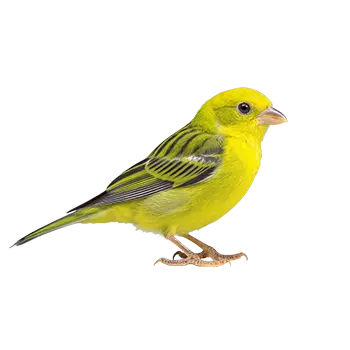

Breeding Readiness & Conditioning

Successful breeding of Spanish Timbrado Canaries begins long before the first egg is laid. The conditioning period, which typically spans four to six weeks before the intended pairing date, prepares both the male and female physically and hormonally for the demands of reproduction. Breeding should be timed to align with natural photoperiod increases in late winter to early spring, when lengthening daylight hours naturally stimulate hormonal activity and readiness in both sexes.

Photoperiod manipulation is the primary tool for bringing birds into breeding condition. Gradually increasing the daily light exposure from approximately 10 hours to 13 to 14 hours over a period of several weeks stimulates the pituitary gland to increase production of reproductive hormones. This can be accomplished naturally by using ambient daylight, or artificially with full-spectrum lighting on timers. The increase should be gradual, adding roughly 15 to 30 minutes per week, as abrupt changes can trigger stress responses rather than reproductive readiness.

Nutritional conditioning is equally important. Both the male and female should be transitioned onto an enriched diet several weeks before pairing. Egg food should be offered daily, and the seed mix can be supplemented with conditioning seeds that include higher proportions of niger, linseed, and hemp. Fresh greens, sprouted seeds, and grated vegetables should be provided in increased quantities. Calcium supplementation becomes critical for the hen, as she will need substantial calcium reserves for egg production. A cuttlebone, mineral block, and liquid calcium supplement in the water all help build these reserves.

The birds should be assessed for breeding fitness before they are paired. Both birds should be at a healthy weight, with smooth, clean plumage and no signs of illness or parasitic infestation. The male should be singing vigorously and consistently, as robust singing is both a sign of good health and a necessary component of courtship. The hen should be active, eating well, and showing early signs of breeding readiness such as carrying nesting material in her beak, crouching when she hears male song, and making soft calling sounds. Attempting to breed birds that are not fully conditioned results in higher rates of infertile eggs, egg binding, nest abandonment, and chick mortality.

Age considerations are important for Timbrado breeding. Hens should ideally be at least 10 to 12 months old for their first breeding season, as younger hens are more prone to egg-binding complications and poor maternal behavior. Males can be bred from approximately 9 months of age, provided they are fully singing and physically mature. Both sexes can be bred successfully until approximately five to six years of age, though fertility and stamina typically decline after the third or fourth breeding season.

Pairing & Compatibility

Pairing Spanish Timbrado Canaries is both an art and a science, involving considerations of physical compatibility, temperament, and, uniquely for this breed, the song characteristics of the male's lineage. Unlike pet canaries that are simply placed together when in breeding condition, Timbrado breeding often involves deliberate selection aimed at maintaining or improving the breed standard, with particular attention to the quality and purity of the male's song repertoire.

The introduction process should be handled carefully to assess compatibility before committing the birds to a shared breeding cage. Many breeders begin by placing the male and female in adjacent cages where they can see and hear each other without physical contact. This visual and auditory introduction allows courtship behaviors to develop gradually and lets the breeder assess whether the hen is receptive to the specific male. A receptive hen will call to the male, crouch on her perch with slightly raised tail, and show interest in nesting material. An unreceptive or hostile hen may display aggressive posturing, persistent alarm calls, or total indifference.

Once compatibility is established during the introduction period, the birds are typically united in a breeding cage. The standard canary breeding cage with a removable divider is the most common setup, allowing the breeder to separate the pair if aggression occurs. The male is usually placed in the cage first and given a day to establish familiarity with the space before the hen is introduced. Most well-conditioned, compatible pairs settle into cooperative behavior quickly, with the male singing to the hen and the hen exploring nesting options within the first day or two.

Aggression during pairing, while not uncommon, must be monitored and managed. Brief chasing and mild dominance displays are normal during the initial pairing period. However, persistent attacks, feather pulling, or one bird cornering the other in the cage indicate that the pair is not compatible or that one or both birds are not yet fully in breeding condition. Separating the birds, allowing additional conditioning time, and reattempting the pairing after a few days is preferable to forcing a pair that is causing each other stress or physical harm.

For breeders focused on song quality, the selection of the male is the most consequential decision in the pairing process. The male's song should exemplify the Timbrado breed standard, featuring the characteristic metallic timbres, clean bell notes, and well-structured repertoire free from disqualifying faults. While the hen does not sing, she carries genetic material that influences her sons' vocal potential. Experienced breeders track the song quality of males across generations and preferentially breed from hens that have produced high-quality singing sons in previous pairings.

Nesting Setup & Management

The nesting environment is a critical component of successful Timbrado breeding and directly influences the hen's willingness to lay, her commitment to incubation, and the survival rate of the resulting chicks. A well-designed nesting setup accounts for the hen's instinctive preferences while maintaining the hygiene and accessibility that captive breeding requires.

The nest itself is typically a small, open-topped canary nest cup, available in plastic, wicker, or wire construction. Many breeders prefer plastic or wire cups because they are easier to clean and disinfect between clutches, while others favor wicker for its more natural appearance and insulating properties. The nest cup should be securely mounted inside the breeding cage at a height that gives the hen a sense of security while still allowing the breeder to inspect the contents without excessive disturbance. Positioning the nest in a back corner of the cage, partially shielded from direct view, often encourages the hen to settle more quickly.

Nesting material should be provided in abundance so the hen can construct her nest to her own specifications. Commercial nesting fiber, clean cotton or jute strings cut to approximately four-inch lengths, and dried moss are all suitable options. Avoid any materials that contain synthetic fibers, dyes, or chemical treatments, as these can be hazardous if ingested by the hen or chicks. The hen will spend several days building and refining her nest before she begins laying, and the quality of her nest construction is often a good indicator of her breeding readiness and hormonal state.

A felt or fabric nest liner placed in the bottom of the nest cup before the hen begins building provides a base layer that improves insulation and can be removed and replaced during nest cleaning. These liners are commercially available or can be cut from clean, undyed felt. They serve the additional function of preventing eggs from sitting directly on a hard surface, which reduces the risk of cracking and helps maintain more even temperatures during incubation.

Nest hygiene requires ongoing attention once eggs are present and especially after chicks hatch. While the hen is incubating, disturbance should be minimal, limited to brief daily checks when the hen leaves the nest to eat. Once chicks are present, the nest will accumulate droppings and food debris rapidly. The nest liner and any soiled nesting material should be replaced carefully when the hen is off the nest, working quickly and quietly to minimize stress. Some breeders keep several pre-prepared nest cups ready so that the entire nest can be swapped in under a minute, transferring the chicks to a fresh, clean nest with minimal disruption.

Egg Laying & Incubation

The egg-laying and incubation period is the most delicate phase of the Timbrado breeding cycle, requiring patience, careful observation, and a disciplined approach to nest management. Understanding the normal timeline and common variations helps breeders distinguish between expected events and problems that require intervention.

A Spanish Timbrado hen typically lays one egg per day, usually in the early morning hours, producing a clutch of three to five eggs over consecutive days. The eggs are small, pale blue or blue-green, and may have faint brownish speckling. Because the hen may not begin serious incubation until the clutch is nearly or fully complete, chicks from the first-laid eggs would hatch days before those from the last-laid eggs, resulting in a significant size disparity that can lead to the youngest chicks being outcompeted for food and failing to thrive.

To address this issue, many breeders practice egg replacement, removing each egg as it is laid and replacing it with a dummy egg of similar size. The real eggs are stored in a small container at room temperature on a bed of soft tissue, turned gently once or twice daily to prevent the embryo from adhering to the shell membrane. When the hen lays her final egg, all the real eggs are returned to the nest simultaneously, so that incubation begins on all eggs at the same time and hatching occurs within a narrow window, giving all chicks an equal start.

Incubation lasts approximately 13 to 14 days from the onset of steady sitting. The hen does the majority of incubation, leaving the nest briefly several times a day to eat, drink, and defecate. The male does not typically incubate but may sit near the nest and feed the hen while she is sitting. During incubation, the breeding room should be kept at a stable temperature and humidity, and disturbances should be minimized. Excessive noise, vibrations, or handling of the nest can cause the hen to abandon the clutch.

Candling the eggs at approximately seven to eight days into incubation provides information about fertility and embryonic development. Using a small, bright flashlight in a darkened room, each egg can be gently illuminated to check for the presence of blood vessels, which indicate a developing embryo, or a clear, undeveloped interior, which indicates infertility. Infertile eggs should be removed to allow the hen to concentrate her efforts on viable eggs. Candling should be done quickly and gently, with clean, dry hands, to avoid contaminating the eggs or chilling them during the process.

Monitoring the Breeding Pair

Ongoing monitoring of the breeding pair throughout the cycle is essential for identifying problems early and intervening when necessary. The breeder's role during active breeding is that of a watchful but restrained observer, stepping in only when the natural process is failing and the welfare of the birds or chicks is at stake.

The male's behavior during breeding provides important information about the pair's dynamics. A well-adjusted breeding male sings to the hen, feeds her through the cage bars or directly if they are housed together, and remains calm and attentive. A male that becomes aggressive toward the hen, particularly once she is incubating, may need to be separated by a cage divider that allows auditory and visual contact but prevents physical interaction. Some breeders routinely divide the pair once incubation begins, reuniting them only if the hen needs the male's assistance with feeding chicks after hatching.

The hen's behavior on the nest is the single most important indicator of breeding success. A committed hen will incubate steadily, leaving the nest only for brief, purposeful breaks. A hen that spends excessive time off the nest, sits restlessly, or repeatedly rearranges eggs without settling may be experiencing discomfort, insufficient nesting material, temperature problems, or health issues. Egg binding, where an egg becomes stuck in the reproductive tract, is a life-threatening emergency that can present as straining, lethargy, sitting on the cage floor with a fluffed appearance, or sudden cessation of laying mid-clutch. Suspected egg binding requires immediate veterinary intervention.

After hatching, the transition from incubation to chick rearing introduces a new set of monitoring priorities. The hen should begin feeding the chicks within hours of hatching, and the breeder should confirm that chick crops are filling by observing them during the first 24 hours. If the hen is feeding some chicks but not others, or if she is not feeding at all, intervention is needed, either through fostering the chicks to another nursing hen or through hand-feeding. Chick weight should be tracked daily using a gram scale, as consistent weight gain is the most reliable indicator that rearing is proceeding normally.

The physical condition of both the male and female should be monitored throughout the breeding cycle. Breeding is metabolically demanding, particularly for the hen, who must produce eggs, incubate, and feed chicks while maintaining her own health. Weight loss, dull plumage, lethargy, or changes in droppings in either bird suggest that the demands of breeding are exceeding the bird's nutritional or physical reserves. A pair should generally be limited to two or at most three clutches per breeding season to prevent exhaustion, with adequate recovery time between rounds.

Common Breeding Complications

Despite careful preparation and management, breeding Spanish Timbrado Canaries can present complications that challenge even experienced breeders. Familiarity with the most common problems, their causes, and their solutions equips the breeder to respond effectively and minimizes losses.

Infertile eggs are among the most frequent breeding disappointments. A clutch of entirely clear eggs after candling at day seven or eight indicates that mating was unsuccessful. Common causes include insufficient conditioning, pairing too early or too late in the season, physical incompatibility between the birds, obesity in either partner that impedes copulation, or male infertility. If the first clutch is infertile, reassess the conditioning of both birds, confirm that copulation has been observed, and allow a second attempt. Persistent infertility across multiple clutches with the same male suggests that a different male should be tried.

Egg binding is the most dangerous breeding complication and one that requires immediate recognition and response. A hen that is straining to pass an egg, sitting on the cage floor with a fluffed and distressed appearance, or showing leg weakness or paralysis is likely egg-bound. The condition arises when an egg becomes lodged in the oviduct due to insufficient calcium, muscle weakness, oversized eggs, or stress. Providing warmth by placing the hen in a brooder at 85 to 90 degrees Fahrenheit and applying a small amount of mineral oil or vegetable oil to the vent area may help the egg pass in mild cases, but veterinary assistance should be sought without delay if the egg is not passed within an hour or two.

Nest abandonment can occur for a variety of reasons, including disturbance by the breeder, environmental stress, health problems in the hen, mite infestation in the nest, or inexperience in first-time breeding hens. If the hen abandons eggs that are known to be fertile and within the viable window, fostering them under another incubating hen is the best option. If no foster hen is available, artificial incubation in a purpose-built incubator set to 99 to 100 degrees Fahrenheit with approximately 55 to 60 percent humidity can sometimes save the clutch, though success rates are lower than with natural incubation.

Dead-in-shell chicks, those that develop fully or nearly fully but fail to hatch, can result from inadequate humidity during incubation, which causes the membranes to dry and toughen, preventing the chick from pipping. Excessive vibration or handling of eggs during late incubation can also cause late-stage embryonic death. Maintaining stable environmental conditions and minimizing nest disturbance during the final days of incubation reduces this risk. If dead-in-shell is a recurrent problem across multiple clutches, evaluating the humidity levels in the breeding room and ensuring the hen has access to bathing water, which she uses to humidify the eggs, can address the underlying cause.

Genetic Considerations & Song Lineage

Breeding Spanish Timbrado Canaries carries a dimension of genetic stewardship that distinguishes it from casual pet bird reproduction. The Timbrado is a breed defined by its song, and responsible breeders approach their programs with an understanding of how song characteristics, physical traits, and overall vigor are transmitted across generations. While the genetics of canary song are complex and not fully mapped, decades of selective breeding have demonstrated clear heritability patterns that inform thoughtful pairing decisions.

Song quality in the Timbrado is influenced by both genetic predisposition and environmental learning, but the genetic component establishes the ceiling of potential. A male from a lineage of strong singers carries the neurological architecture, syringeal morphology, and innate song templates that make high-quality performance possible. A male from a weak singing lineage may never achieve the same standard regardless of training. For this reason, breeders maintain detailed records of their males' song scores and competition results across generations, identifying which lines consistently produce birds that meet or exceed the breed standard.

The hen's contribution to song genetics is invisible but substantial. Although female canaries do not typically sing, they carry and transmit the same genetic material that determines song potential in their sons. A hen that is the daughter, sister, or mother of exceptional singing males is a more valuable breeding partner than one with unknown or undistinguished male relatives. Experienced Timbrado breeders track maternal lineages with the same diligence as paternal ones, recognizing that the hen is half the genetic equation even though she does not express the trait herself.

Inbreeding management is an important consideration in any selective breeding program. Timbrado breeding communities are relatively specialized, and the temptation to pair closely related birds that both carry desirable song traits can lead to inbreeding depression, which manifests as reduced fertility, smaller clutch sizes, weaker chicks, and increased susceptibility to disease. Maintaining outcross options by networking with other breeders and periodically introducing unrelated birds of verified quality helps preserve genetic diversity while still pursuing song improvement.

Color genetics intersect with song breeding in practical ways. The Spanish Timbrado is traditionally a green or variegated bird, and the breed standard in most registries specifies allowable colors and patterns. Introducing color mutations such as intensive yellow, white, or melanin variants may be of interest for aesthetic reasons but should be approached with awareness of the potential for unintended effects on vigor, feather type, and, some breeders believe, song quality. Keeping detailed breeding records that track color, health outcomes, and song scores across multiple generations allows the breeder to make evidence-based decisions about which crosses produce the best overall results.

Band registration and record keeping are the administrative backbone of a responsible Timbrado breeding program. Closed bands, applied to chicks at approximately five to seven days of age, provide permanent individual identification and link each bird to its breeder, hatch year, and pedigree. Maintaining a breeding journal or database that records each pairing, clutch size, hatch rate, chick survival, band numbers, and eventual song evaluations creates a longitudinal dataset that informs future pairing decisions and contributes to the broader knowledge base of the Timbrado breeding community.

Always consult a qualified professional before making any health-related decisions. This content is provided for informational reference only and should not replace professional guidance specific to your animal.