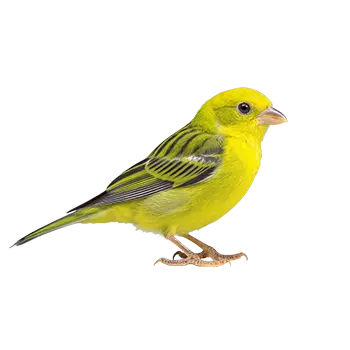

Spanish Timbrado Canary Species Guide - Furry Critter Network

Spanish Timbrado Canary

Quick Facts

🔬 Scientific Name
Serinus canaria domestica
📊 Care Level
Beginner
😊 Temperament
Alert, Independent, Vocal
📏 Adult Size
5-5.5 inches
⏱️ Lifespan
10-15 years
🔊 Noise Level
Loud
🗣️ Talking Ability
None - Singing
🍽️ Diet Type
Seed-based
🌍 Origin
Spain
🏠 Min Cage Size
18x18x24 inches minimum
📐 Size
Small

Spanish Timbrado Canary - Names & Recognition

The Spanish Timbrado Canary derives its name from two key elements: its Spanish origin and the distinctive "timbrado" quality of its song. The Spanish term "timbrado" translates approximately as "bell-like," "stamped," or "metallic-toned," directly referencing the unique metallic, ringing quality that characterizes the breed's song and distinguishes it from all other canary varieties. This metallic timbre is the defining feature that makes Timbrado song instantly recognizable to canary enthusiasts. The breed is also known as the Timbrado Español, Spanish Timbrado, or simply Timbrado among Spanish speakers and international canary fanciers.

Taxonomically, all domestic canaries including the Spanish Timbrado belong to the species Serinus canaria domestica, representing domesticated descendants of the wild canary (Serinus canaria) native to the Macaronesian islands. The Spanish Timbrado is classified as a song canary, one of three main canary groups bred specifically for vocal ability and song quality rather than physical appearance (type canaries) or solid color (color canaries). The other major song canary breeds include the German Roller Canary (bred for soft, rolling songs delivered with closed or nearly closed beak) and the Belgian Waterslager Canary (bred for water-bubble sounds mimicking flowing water). Each song canary variety has been selectively bred for distinct, recognizable song characteristics.

The Spanish Timbrado Canary was developed in Spain during the early-to-mid 20th century through systematic selective breeding programs aimed at creating a distinctively Spanish song canary with characteristics reflecting Spanish preferences and aesthetics. Spanish breeders sought to develop song canaries that sang with open beaks (unlike German Rollers with closed beaks), produced loud, clear, metallic notes, displayed vigor and vitality in their singing, and retained more wild-type appearance and hardiness compared to highly modified fancy varieties. The result was the Timbrado, which quickly became Spain's national canary and remains the most popular canary variety throughout Spain and increasingly worldwide.

The breed was formally standardized and organized during the 1940s-1950s when Spanish canary clubs established detailed song scoring systems, breeding standards, and competitive frameworks that persist today. The Confederación Ornitológica Mundial (COM - World Ornithological Confederation) officially recognized the Spanish Timbrado as a distinct breed, establishing international standards for song evaluation and competition. Spanish Timbrado song competitions follow strict judging criteria evaluating 12 specific song elements or "tours" (turns/notes) with standardized point values, making Timbrado competitions highly technical and specialized.

Within the Spanish Timbrado breed, three main song styles or lines are recognized: the Clásico (Classic), Discontinuo (Discontinuous), and Continuo (Continuous). The Clásico style represents the traditional Timbrado song with clear separation between song phrases and emphasis on metallic quality. The Discontinuo features more pronounced breaks and pauses between song elements. The Continuo style emphasizes more flowing, connected song delivery with less silence between phrases. While all three styles share the essential metallic timbre, these variations reflect different breeding philosophies and regional preferences within Spain.

The Spanish Timbrado has gained increasing international popularity over recent decades as breeders and enthusiasts outside Spain have recognized the variety's exceptional singing abilities, hardy constitution, and relatively natural appearance. International Timbrado clubs and breeding programs now exist in many countries including the United States, where the breed has developed strong followings among serious canary enthusiasts. However, the breed remains most popular and widely bred in Spain where it is the predominant canary variety.

In aviculture and among canary fanciers, the Spanish Timbrado is instantly recognized for its distinctive song and represents the pinnacle of Spanish canary breeding achievements. Competition Timbrados from champion bloodlines command premium prices and are highly sought after by serious breeders. However, pet-quality Timbrado males provide the same exceptional singing entertainment at affordable prices, making the breed accessible to anyone seeking superior singing canaries without show ambitions.

Spanish Timbrado Canary Physical Description

The Spanish Timbrado Canary is a small, compact canary measuring approximately 5 to 5.5 inches in length from head to the tip of the tail, similar in size to most other canary varieties. Adults typically weigh between 16 to 24 grams (approximately 0.6 to 0.85 ounces). The body structure is neat, compact, and well-proportioned with smooth, tight feather quality, rounded head, full breast, and moderate tail length, creating an overall appearance of vigor, alertness, and vitality that complements the breed's energetic singing style.

Unlike type canaries bred for elaborate physical features like crests, frills, or distinctive patterns, the Spanish Timbrado has been bred primarily for song quality with appearance being a secondary consideration. Consequently, Timbrados display relatively natural, wild-type appearance without the extreme modifications seen in fancy varieties. This natural appearance contributes to the breed's hardiness and vigor while allowing breeding focus to remain on vocal abilities.

The plumage coloration in Spanish Timbrados is highly variable and not standardized, as color is not a judging criterion in song competitions. Timbrados occur in virtually all canary color mutations including clear yellow (uniform bright yellow), variegated yellow (yellow with darker markings), buff yellow (softer, lighter yellow with wider feathers), white, cinnamon (warm brown tones), green (yellow-green), and numerous other color varieties. The most common colors in Spain tend to be yellow and variegated patterns, though all colors are acceptable. Many Timbrados display markings reminiscent of wild canaries including darker streaking on the back and flanks.

Feather quality in Spanish Timbrados should be tight, smooth, and close to the body rather than loose or fluffy. The feathers create sleek, streamlined appearances suggesting fitness and vigor. Birds in peak condition display glossy plumage with rich, vibrant colors (depending on variety) and healthy feather quality free from stress bars or damage.

The body conformation follows relatively natural proportions without extreme modifications. The head is well-rounded without exaggerated features. The breast is full and rounded, suggesting good respiratory capacity important for sustained singing. The back should be smoothly curved without humps or irregularities. The wings are held close to the body without drooping. The tail is moderate length, well-carried, and proportional to body size. The overall stance is upright and alert, suggesting vitality and vigor that translates to energetic singing performance.

Posture and deportment in Spanish Timbrados is characteristically alert and upright. These are active, lively birds that move purposefully and display obvious awareness of their surroundings. The alert, vigorous posture complements the energetic singing style and reflects the breed's emphasis on vitality and vigor over refined, subdued characteristics.

Sexual dimorphism is minimal to absent regarding plumage coloration and physical appearance. Males and females are essentially identical in appearance, making visual sexing impossible or unreliable. The only definitive method for sex determination involves observing singing behavior (males sing extensively and loudly while females produce only soft chirps) or surgical/DNA sexing. This lack of sexual dimorphism is typical of canaries.

The beak is short, stout, conical, and typically horn-colored or flesh-colored, becoming brighter during breeding condition. The beak should be well-formed and properly aligned. The eyes are dark brown to black, round, large, and bright, giving particularly alert expressions characteristic of the breed. The legs and feet are flesh-colored to pinkish, sturdy, and well-formed, equipped with typical passerine toe arrangement.

Juvenile Spanish Timbrados resemble adult birds in basic appearance though with duller coloration and softer feather quality. Young birds undergo their first molt around 6-8 weeks of age, developing adult plumage by 3-4 months. Young males begin singing attempts around 3-4 months of age, initially producing quiet, disorganized subsong before gradually developing full adult song over many months of practice. Song maturation continues through the first year or two of life as males refine their repertoires.

The overall impression created by Spanish Timbrado Canaries combines natural, unpretentious appearance with obvious vitality, vigor, and alertness. These are working song canaries bred for performance rather than elaborate decoration, and their appearance reflects this functional emphasis. Well-maintained birds in proper condition display glossy plumage, alert deportment, and energetic personalities that complement their exceptional singing abilities.

Affection Level
Spanish Timbrado Canaries are not particularly affectionate toward humans and do not seek physical contact. However, they show strong awareness of their owners and frequently sing in response to human presence, voices, or music. They appreciate human company from a distance and often interact vocally, though they remain independent birds that don't require constant attention or cuddling.
Sociability
Moderately social with flexible needs typical of canaries. Males thrive when housed singly where they develop superior song quality without competition, making them ideal one-bird pets. They can be kept in pairs or small groups with appropriate space, though males often fight. Unlike highly gregarious finches, they don't require constant avian companionship and many prefer solitary housing where they sing more freely.
Vocalization
Exceptionally vocal birds with males producing continuous, loud, metallic songs that are the breed's defining feature. Spanish Timbrado males are among the most prolific singers of all canary varieties, singing extensively year-round with particular intensity during breeding season. Their distinctive bell-like, metallic song quality is unique and highly valued. The volume and duration far exceeds most other canaries. Unsuitable for noise-sensitive situations.
Intelligence
Spanish Timbrado Canaries possess moderate intelligence typical of canaries, learning complex songs through practice and mimicry, recognizing owners, anticipating routines, and responding to environmental cues. Their ability to learn and reproduce intricate song patterns demonstrates sophisticated vocal learning abilities. They show individual personalities and greater awareness of humans than typical finches, though less cognitive complexity than parrots.
Exercise Needs
Moderately active birds requiring adequate space for movement and short flights. While less hyperactive than small finches, Spanish Timbrados benefit from cages allowing hopping, wing-flapping, and brief flight exercise. They are alert and active during daylight hours, spending time singing, foraging, exploring, and moving between perches. Regular exercise maintains muscle tone and overall health.
Maintenance Level
Low to moderate maintenance making them excellent for beginners. Spanish Timbrados are exceptionally hardy, forgiving birds requiring daily food and water changes, regular cage cleaning, and basic care. Their natural appearance requires no special grooming or maintenance. Their resilience, adaptability, and lack of elaborate physical features make them among the easiest canaries to maintain successfully.
Trainability
Limited trainability but more receptive than typical finches. Spanish Timbrados can become accustomed to routines, learn to accept treats through cage bars, and may become quite tame with patient work. Song training through exposure to tutor birds or recordings can influence song development in young males. However, they are not candidates for trick training or extensive handling like parrots.
Independence
Highly independent birds that do not require constant attention. Spanish Timbrado males particularly thrive in solitary housing where they sing continuously without needing human or avian companionship. They entertain themselves through singing, foraging, preening, and exploring without demanding interaction. This independence combined with prolific singing makes them perfect for people wanting vocal entertainment without hands-on pet demands.

Natural Habitat & Range

Like all domestic canary varieties, the Spanish Timbrado Canary has no natural habitat as it is entirely a product of human selective breeding conducted in Spain during the 20th century. The breed represents a relatively recent development in canary breeding history compared to ancient varieties, with systematic breeding programs establishing the distinct Timbrado characteristics during the 1940s-1950s period.

Domestic canaries, including the Spanish Timbrado, descend from the wild canary (Serinus canaria), a small finch species endemic to the Macaronesian islands including the Canary Islands, the Azores, and Madeira off the northwestern coast of Africa. These Atlantic islands provided the original wild canaries from which all domestic varieties ultimately derive through centuries of selective breeding following the birds' discovery and exportation to Europe beginning in the 15th century.

The Spanish Timbrado Canary specifically was developed in Spain through dedicated breeding programs during the early-to-mid 20th century. Spanish canary fanciers sought to create a distinctively Spanish song canary reflecting Spanish aesthetic preferences and cultural values. Rather than importing German Rollers or other established song varieties, Spanish breeders worked to develop their own song canary with characteristics they considered superior or more aligned with Spanish sensibilities.

The development process involved selecting breeding stock from mixed canary populations in Spain (which included various imported breeds and their crosses), identifying birds with desirable song characteristics including metallic timbre, loud volume, open-beak delivery, and vigorous style, and systematically breeding these birds together while selecting offspring that best exemplified the desired traits. This selective breeding continued across multiple generations, gradually fixing the characteristic Timbrado song qualities while maintaining hardy, vigorous birds with relatively natural appearance.

By the 1940s, dedicated Spanish breeders had developed sufficiently distinct and consistent birds to warrant formal organization and standardization. Spanish canary clubs established detailed song evaluation systems breaking the Timbrado song into 12 specific elements or tours (turns/notes), each with standardized point values and judging criteria. These included specific note types with names like "timbres metálicos" (metallic timbres), "rodadas" (rolled notes), "floreos" (flourishes), "campanillas" (little bells), and others, each contributing to the overall song quality and competition scoring.

The Confederación Ornitológica Mundial (COM) officially recognized the Spanish Timbrado as a distinct breed with international standards, allowing the variety to spread beyond Spain to international canary fancy communities. Song competitions became highly organized with standardized judging procedures, qualified judges, and official scoring sheets evaluating the 12 recognized song elements. These competitions remain popular throughout Spain and increasingly internationally, with serious breeders dedicating tremendous effort to producing championship-quality singers.

Geographically, the Spanish Timbrado remains most popular and widely bred in Spain where it is the predominant canary variety found in homes, breeding aviaries, and competitions throughout the country. The breed represents a source of national pride and cultural significance in Spanish aviculture. However, international populations have grown substantially in recent decades as the breed gains recognition worldwide. Significant breeding populations now exist in Latin American countries (particularly those with strong Spanish cultural connections), the United States, and other countries where dedicated fanciers have established Timbrado breeding programs and competitions.

The relatively recent development of the Spanish Timbrado (mid-20th century) compared to ancient canary varieties means extensive historical documentation exists describing the breed's creation, development, and standardization. This documented history provides valuable insights into deliberate selective breeding programs and demonstrates how specific desired characteristics can be reliably achieved through systematic selection across multiple generations.

Conservation status is not applicable to domestic Spanish Timbrado Canaries as they are entirely captive-bred populations maintained through aviculture. However, the breed's continued popularity in Spain and growing international recognition suggest secure future populations. The strong competitive framework and active breeding community ensure ongoing dedication to maintaining and improving the variety.

Temperament

The Spanish Timbrado Canary possesses an alert, vigorous, and highly vocal temperament that distinguishes them somewhat from other canary varieties. While sharing fundamental canary characteristics including independence and moderate human interaction, Timbrados display particular vitality, alertness, and above all, exceptional enthusiasm for singing that defines the breed's personality and appeal.

The absolutely defining characteristic of Spanish Timbrado temperament is the male's extraordinary devotion to singing. Male Timbrados are among the most prolific singers of all canary varieties, often singing nearly continuously throughout daylight hours with only brief breaks for eating, drinking, and preening. The singing is not merely occasional entertainment but rather an all-consuming activity that dominates the bird's behavioral repertoire. Males sing with obvious enthusiasm, vigor, and energy, throwing themselves into vocal performances with intensity rarely matched by other canary varieties. The songs are delivered with open beaks and full voice, creating loud, clear, metallic sounds that fill rooms and even entire houses with music.

The distinctive metallic, bell-like quality of Timbrado song represents the breed's signature characteristic. The timbre has a ringing, metallic resonance distinctly different from the soft rolling notes of German Rollers or the water-bubble sounds of Belgian Waterslagers. The metallic quality is immediately recognizable once heard and remains consistent across individual birds, representing the fixed genetic characteristic that defines the breed. The songs consist of complex arrangements of specific note types recognized and evaluated in competitions, including metallic timbres (the most valued notes), rolled notes, flourishes, bell-like sounds, and various other elements combining into lengthy, elaborate performances.

Song development in young males is fascinating to observe and represents an important aspect of Timbrado husbandry. Young males begin singing attempts around 3-4 months of age, initially producing quiet, somewhat disorganized subsong consisting of soft chirps, warbles, and attempts at adult notes. Over subsequent months, the song gradually develops complexity, volume, and definition as the young male practices continuously. Full adult song typically emerges by 8-12 months of age, though continued refinement occurs through the second year. Song quality can be influenced through exposure to excellent adult male tutors or high-quality recordings during the critical learning period, a practice called song training widely used by serious Timbrado breeders seeking to optimize song quality in young males.

Females are dramatically different in vocalization, producing only soft chirps, contact calls, and brief, very quiet songs barely audible even in silent rooms. The profound difference represents the primary reliable method for sex determination, as males and females are indistinguishable by appearance.

With humans, Spanish Timbrado Canaries display typical canary awareness and responsiveness. They learn to recognize primary caretakers, often singing vigorously in response to owner presence, voices, music, or other household sounds. Many owners report their Timbrados singing most intensely when the owner speaks to them, plays music, or engages in household activities, suggesting the birds view humans as part of their social environment worthy of vocal communication. This responsiveness creates pleasant interactions and strengthens bonds despite lack of physical contact.

Spanish Timbrados are less nervous and more confident than extremely skittish finches. They accept human presence relatively well, displaying alert interest rather than panic. Many individuals become quite tame with patient work, accepting treats through cage bars, feeding calmly while owners work nearby, and some becoming sufficiently confident to perch on offered fingers voluntarily. However, they remain independent birds that don't seek cuddling or prolonged handling.

Social needs in Spanish Timbrados are flexible and individual-dependent. Males absolutely thrive in solitary housing where they sing more freely, develop better song quality without competition or distraction from other males, and display less stress from territorial conflicts. Housing male Timbrados alone is strongly recommended and considered optimal for song development and bird welfare. Multiple males housed together invariably compete vocally and may fight, particularly during breeding season. Females tolerate each other better and can be housed in groups, though many keepers maintain birds individually.

This acceptance of solitary housing makes Timbrados ideal one-bird pets for people wanting exceptional singing entertainment without guilt about depriving birds of companionship. A single male Timbrado in appropriate housing with owner interaction (even at a distance) lives contentedly and provides continuous vocal entertainment.

Territoriality in male Timbrados is pronounced during breeding season and moderate year-round. The vigorous singing serves territorial functions, and males defend their spaces from other males through vocal competition and aggression if necessary. This territoriality makes male-male housing problematic.

Activity levels are moderate to high. Timbrados are alert, active birds that move purposefully, explore their environments, and display obvious awareness of surroundings. The constant singing activity combined with normal canary behaviors creates lively, entertaining observation opportunities.

Hardiness and vigor are hallmarks of Spanish Timbrados. These robust birds descended from breeding programs emphasizing health, vitality, and vigor as essential foundations for sustained singing ability. They tolerate wide temperature ranges, adapt readily to various housing situations, and forgive minor husbandry mistakes. Their hardy constitution makes them excellent beginner birds despite their specialized singing abilities.

Prospective owners seeking the ultimate singing canary will find male Spanish Timbrados unparalleled. Their continuous, loud, metallic songs provide extraordinary entertainment for those who appreciate avian vocal abilities. However, the noise level is substantial and unsuitable for apartments, noise-sensitive situations, or anyone preferring quieter environments.

Care Requirements

Providing appropriate housing and care for Spanish Timbrado Canaries is straightforward and follows standard canary care protocols, making them suitable for beginners despite their specialized singing abilities. Their exceptional hardiness and adaptability mean they succeed in various housing situations while benefiting from optimal care practices maximizing health, longevity, and singing performance.

The minimum cage size for a single Spanish Timbrado Canary should measure at least 18 inches wide by 18 inches deep by 24 inches tall, though larger dimensions of 24-30 inches long by 18 inches deep by 24 inches tall are strongly preferred and provide significantly better quality of life. Single male Timbrados thrive in individual cages where they develop superior song quality without competition, distraction, or stress from other males. Male song canaries are traditionally housed alone, particularly during breeding season when territorial behaviors intensify. For pairs (if breeding) or females housed together, provide significantly larger cages (minimum 30-36 inches long) with adequate space. Spanish Timbrados benefit from both horizontal space for brief flights and vertical space for hopping between perches at different heights.

Bar spacing should be 1/2 inch maximum to prevent escapes or head entrapment. Horizontal bars on at least two sides facilitate climbing if desired.

Cage construction should be sturdy wire with powder-coated or stainless steel being ideal materials. Avoid galvanized wire that can cause zinc toxicity. Removable floor trays facilitate daily cleaning. Standard canary cages are widely available in appropriate sizes.

Temperature requirements are forgiving and typical of hardy canaries. Spanish Timbrados tolerate wide temperature ranges from approximately 60-80°F comfortably, making them suitable for typical indoor environments in most climates without supplemental heating. They handle moderate temperature variations well, though extreme fluctuations should be avoided. Protect from drafts, direct cold air, and freezing temperatures. Their exceptional hardiness makes them significantly less temperature-sensitive than tropical finches.

Cage placement should avoid areas with direct drafts, prolonged direct sunlight, kitchens with cooking fumes (particularly deadly Teflon/non-stick cookware fumes), and locations with extreme temperature changes. Consider that male Timbrados sing loudly and continuously, making bedroom placement problematic for anyone preferring quiet sleeping environments. Living rooms, family rooms, or dedicated bird rooms work well. Their loud, sustained singing should be considered when choosing placement - these are NOT quiet birds.

Perches should vary in diameter from 3/8 to 1/2 inch using natural branches from bird-safe trees including manzanita, java wood, willow, apple, and other hardwoods. Natural branches with irregular shapes and varying diameters provide optimal foot exercise and prevent pressure sores. Provide perches at different heights and locations encouraging movement and choice. Include at least one cement or rough-textured perch positioned where the bird perches frequently for natural nail and beak maintenance. Avoid overcrowding cages with excessive perches. Position the highest perch allowing the bird to be at or slightly above human eye level.

Swings are popular accessories that many canaries enjoy. Many Timbrados sing while swinging, creating charming displays combining movement and music.

Bathing opportunities are essential as Spanish Timbrados are enthusiastic bathers enjoying frequent water contact for feather maintenance and enrichment. Provide a shallow dish of fresh water (1-2 inches deep) several times weekly or daily. Most Timbrados bathe vigorously with obvious pleasure. Some prefer gentle misting. Remove bath water after 2-3 hours to prevent contamination.

For serious breeders pursuing song competitions, special considerations apply. Competition males are often housed in smaller cages or breeding cabinets that reduce visual distractions and encourage focused singing. Song training involves exposing young males to recordings of excellent singers or housing them within hearing range of champion males during song development (typically 3-6 months of age). These specialized practices are unnecessary for pet owners but important for competitive breeding programs.

Environmental enrichment includes varied natural perches, foraging opportunities, swings, occasional cage rearrangement providing novelty, and fresh branches with leaves. Timbrados don't play with typical parrot toys but benefit from varied environments. Their continuous singing provides self-entertainment, making them less dependent on external enrichment than non-singing birds.

Aviaries and flight cages provide excellent housing allowing maximum space. Indoor or outdoor flights should be minimum 6 feet long. Outdoor aviaries work well in many climates with appropriate protection from weather extremes and predators. Spanish Timbrados' exceptional hardiness makes them suitable for outdoor housing in temperate regions with proper shelter.

Safety considerations include protecting birds from household hazards including non-stick cookware fumes (absolutely deadly), aerosol sprays, scented products, and pesticides. Ensure cages are secure from predatory pets.

Feeding & Nutrition

Proper nutrition for Spanish Timbrado Canaries is straightforward and follows standard canary dietary requirements, though their intensive singing activity creates slightly elevated metabolic demands that proper nutrition must support. Optimal feeding supports sustained vocal performance, vibrant health, excellent feather quality, and long-term wellbeing.

The foundation of a captive Spanish Timbrado diet should consist of high-quality canary seed mix formulated specifically for canaries, comprising approximately 60-70% of daily intake. Premium canary seed mixes contain appropriate variety including canary seed (the primary component), rape seed, niger seed, hemp seed (in small amounts), and flax seed. Spanish Timbrado breeders often prefer simple, straightforward seed mixes dominated by plain canary seed (50-60%) with smaller amounts of other seeds, avoiding overly complex mixes with excessive variety. This approach reflects traditional Spanish feeding practices emphasizing simplicity and quality over complexity. Offer seeds in appropriate feeders changed daily to ensure freshness and allow consumption monitoring.

Fresh vegetables should be offered daily and comprise approximately 15-20% of diet, providing essential vitamins, minerals, and dietary variety that support health and singing performance. Appropriate vegetables include dark leafy greens (kale, collard greens, mustard greens, dandelion greens, Swiss chard, spinach in moderation), grated carrots, broccoli, sweet potato, bell peppers, and other safe vegetables. Fresh greens provide vitamin A critical for respiratory health, immune function, and maintaining the excellent respiratory capacity required for sustained singing. Many Timbrados readily accept greens once accustomed to them.

Fresh fruits can be offered several times weekly in small amounts as nutritious treats. Appropriate fruits include apples (no seeds), berries, melon, grapes (halved), and other safe fruits. Limit quantities to avoid excessive sugar consumption.

Egg food provides essential protein and should be offered 2-3 times weekly to non-breeding birds and daily during breeding season, molting periods, and whenever birds require additional protein. Commercial egg food formulated for canaries works well, or keepers can prepare homemade versions using hard-boiled eggs crumbled and mixed with breadcrumbs or ground seeds. Some Spanish breeders prepare traditional egg food recipes passed down through generations. Egg food should be removed after 2-3 hours to prevent spoilage.

Canary pellets formulated specifically for canaries are available and can partially or completely replace seed-based diets. Some keepers successfully maintain Timbrados on pellet-based diets supplemented with fresh foods. If using pellets, introduce gradually and monitor acceptance and body condition carefully.

Mineral supplementation is critical for all canaries. Provide cuttlebone continuously for free-choice calcium consumption. Offer grit (fine granite grit or crushed oyster shell) in a separate small dish for digestion. Mineral blocks or supplements designed for canaries may be beneficial.

Vitamin supplementation through powdered vitamins sprinkled on moist foods helps prevent deficiencies. Some keepers add liquid vitamins to drinking water 2-3 times weekly, though this practice is debated. Follow product directions to avoid harmful over-supplementation.

Some Spanish Timbrado breeders use specialized song food supplements claiming to enhance song quality, though scientific evidence supporting these products is limited. Traditional Spanish breeders may include foods like sprouted seeds, specific greens, or other items believed to support vocal performance.

Treats include millet sprays (enjoyed by most canaries), spray millet, and small amounts of other seeds in strict moderation. Treats should comprise no more than 5-10% of total diet.

Foods to avoid include avocado (highly toxic), chocolate, caffeine, salt, onions, garlic, and processed human foods. Avoid moldy or spoiled foods.

Fresh, clean water must be available at all times in clean dishes changed at least daily. Canaries drink regularly throughout the day, particularly singers maintaining hydration for sustained vocal performance.

Spanish Timbrado Canary Health & Lifespan

Spanish Timbrado Canaries are exceptionally hardy, vigorous birds with robust constitutions that make them among the healthiest and easiest canaries to maintain. Their breeding history emphasized health, vigor, and vitality as essential foundations for sustained singing performance, resulting in birds with outstanding disease resistance and adaptability. This hardiness contributes significantly to their suitability for beginners despite their specialized vocal talents. Air sac mites, microscopic parasites infesting the respiratory system, can affect canaries including Timbrados, causing difficulty breathing, tail bobbing, clicking or wheezing sounds during respiration, dramatic voice changes or complete loss of song in males (often the first noticeable symptom), lethargy, and potentially death if severe and untreated, requiring treatment with appropriate acaricides or medications prescribed by avian veterinarians. Loss of song or sudden voice changes in previously vigorous singers should prompt immediate veterinary consultation as respiratory problems are common causes. Scaly face mites, caused by Knemidokoptes parasites, may occur though are relatively uncommon in well-maintained Timbrados, creating crusty, scaly growths on the beak, cere, eye areas, legs, and feet requiring treatment. Respiratory infections from bacteria, viruses, or fungi can affect canaries particularly when exposed to drafts, sudden temperature extremes, poor air quality, or stress, causing labored breathing, nasal discharge, wheezing, decreased or absent singing, lethargy, and requiring prompt veterinary care with appropriate antimicrobial therapy. Egg binding affects breeding females unable to expel eggs due to calcium deficiency, obesity, first-time breeding, or environmental stress, requiring immediate veterinary intervention to prevent death. Overgrown beaks and nails develop in some captive canaries without adequate opportunities for natural wear through proper perches and cuttlebone, requiring periodic trimming. Fatty liver disease can develop in birds fed high-fat seed-only diets with inadequate fresh foods and exercise, though Timbrados' high activity levels and vigorous metabolism provide some protection. Nutritional deficiencies particularly of vitamin A, calcium, and B vitamins can occur in birds fed seed-only diets, though Timbrados tolerate dietary variations better than delicate species.

Preventive care for Spanish Timbrados follows standard canary protocols. Regular veterinary checkups with experienced avian veterinarians should ideally occur annually, allowing early disease detection through physical examination. Proper diet and nutrition including high-quality canary seed mix, daily fresh vegetables providing essential vitamins, egg food during breeding season and molting, and comprehensive mineral supplementation prevents nutritional deficiencies while supporting the high metabolic demands of sustained singing. Environmental management through adequate cage size allowing exercise, appropriate temperature range (Timbrados tolerate 60-80°F easily), protection from drafts and temperature extremes, appropriate humidity (40-60%), and stress minimization maintains health and singing performance. Cage cleanliness with daily removal of droppings, seed hulls, and food debris plus fresh food and water daily reduces disease transmission. Monitoring song quality and quantity provides valuable health indicators, as decreases often signal developing problems requiring attention. With good care including optimal nutrition, proper housing, appropriate environmental conditions, and preventive health measures, Spanish Timbrado Canaries typically live 10 to 15 years in captivity, with some individuals potentially reaching 20 years with excellent care. This lifespan is typical of canaries and represents moderate, manageable commitment periods. The combination of exceptional hardiness, straightforward care requirements, extraordinary singing abilities, and reasonable lifespan makes Spanish Timbrados outstanding choices for anyone seeking superior singing birds without fragility or complex care demands. Their vigor and resilience mean they thrive even in novice hands, making them ideal first song canaries for those learning avian husbandry.

Common Health Issues

  • This hardiness contributes significantly to their suitability for beginners despite their specialized vocal talents.\n\nAir sac mites, microscopic parasites infesting the respiratory system, can affect canaries including Timbrados, causing difficulty breathing, tail bobbing, clicking or wheezing sounds during respiration, dramatic voice changes or complete loss of song in males - Often the first noticeable symptom, , lethargy, and potentially death if severe and untreated, requiring treatment with appropriate acaricides or medications prescribed by avian veterinarians.
  • Loss of song or sudden voice changes in previously vigorous singers should prompt immediate veterinary consultation as respiratory problems are common causes. - Loss of song or sudden voice changes in previously vigorous singers should prompt immediate veterinary consultation as respiratory problems are common causes.
  • Scaly face mites - Caused by Knemidokoptes parasites, may occur though are relatively uncommon in well-maintained Timbrados, creating crusty, scaly growths on the beak, cere, eye areas, legs, and feet requiring treatment.
  • Respiratory infections from bacteria - Viruses, or fungi can affect canaries particularly when exposed to drafts, sudden temperature extremes, poor air quality, or stress, causing labored breathing, nasal discharge, wheezing, decreased or absent singing, lethargy, and requiring prompt veterinary care with appropriate antimicrobial therapy.
  • Egg binding affects breeding females unable to expel eggs due to calcium deficiency - Obesity, first-time breeding, or environmental stress, requiring immediate veterinary intervention to prevent death.
  • Fatty liver disease can develop in birds fed high-fat seed-only diets with inadequate fresh foods and exercise - Though Timbrados' high activity levels and vigorous metabolism provide some protection.
  • Males sing so extensively and vigorously that they require excellent respiratory health and physical condition to sustain performance. - Males sing so extensively and vigorously that they require excellent respiratory health and physical condition to sustain performance.
  • Any respiratory compromise immediately affects singing quality and quantity - Often providing early warning of health problems.

Preventive Care & Health Monitoring

  • Egg binding affects breeding females unable to expel eggs due to calcium deficiency - Obesity, first-time breeding, or environmental stress, requiring immediate veterinary intervention to prevent death.
  • Nutritional deficiencies particularly of vitamin A - Calcium, and B vitamins can occur in birds fed seed-only diets, though Timbrados tolerate dietary variations better than delicate species.\n\nOne health consideration particularly relevant to Spanish Timbrados involves their intensive singing activity.
  • Regular veterinary checkups with experienced avian veterinarians should ideally occur annually - Allowing early disease detection through physical examination.
  • Proper diet and nutrition including high-quality canary seed mix - Daily fresh vegetables providing essential vitamins, egg food during breeding season and molting, and comprehensive mineral supplementation prevents nutritional deficiencies while supporting the high metabolic demands of sustained singing.
  • Cage cleanliness with daily removal of droppings - Seed hulls, and food debris plus fresh food and water daily reduces disease transmission.
  • Monitoring song quality and quantity provides valuable health indicators - As decreases often signal developing problems requiring attention.\n\nWith good care including optimal nutrition, proper housing, appropriate environmental conditions, and preventive health measures, Spanish Timbrado Canaries typically live 10 to 15 years in captivity, with some individuals potentially reaching 20 years with excellent care.

Training & Vocalization

Training Spanish Timbrado Canaries differs somewhat from training other canary varieties due to the specialized focus on song development and performance that defines the breed. While basic habituation and taming follow standard canary protocols, Timbrado training particularly emphasizes song training and development in young males - a practice central to serious breeding programs.

Basic habituation and taming are achievable with Spanish Timbrados through patient, consistent work. Captive-bred birds raised with gentle human interaction become quite comfortable with people, accepting treats through cage bars, feeding calmly while owners work nearby, and displaying confident behavior around familiar caretakers. Some individuals become sufficiently tame to perch on offered fingers voluntarily, though this varies by individual. The goal is trust and comfort rather than extensive handling.

Habituation techniques include spending quiet time near cages, speaking softly, offering favorite treats through cage bars, moving slowly during maintenance, establishing consistent daily routines, and never forcing interaction. These techniques gradually build trust without overwhelming birds.

Finger training can be attempted with receptive individuals using gentle pressure against the lower chest while offering a finger and saying "step up," immediately rewarding compliance. Success varies tremendously, and many canaries never become reliably finger-tame.

Song training represents the specialized aspect of Spanish Timbrado husbandry unique to song canaries. This practice involves deliberately influencing song development in young males through controlled exposure to excellent adult male singers (tutors) or high-quality recordings during the critical song-learning period (approximately 3-6 months of age). Song training aims to optimize song quality, ensure young males learn all valued song elements, minimize development of undesirable notes, and maximize competitive potential for show birds.

Serious Spanish Timbrado breeders employ sophisticated song training protocols including housing young males within hearing range of champion adult males whose songs serve as models, playing recordings of excellent singers during the learning period, isolating young males from birds with poor song quality, and carefully monitoring song development progress. Competition breeders invest tremendous effort in song training, as championship birds command premium prices and breeding value.

For pet owners not pursuing competitions, song training is unnecessary. Males develop natural Timbrado songs instinctively without formal training, retaining the characteristic metallic quality and basic song structure. However, exposure to high-quality recordings during song development can enhance song quality even in pet birds, creating more pleasant and complex songs.

Vocalizations represent the absolute heart of Spanish Timbrado appeal and identity. Male Spanish Timbrados are among the most prolific singers of all domesticated birds, singing nearly continuously throughout daylight hours with only brief interruptions for eating, drinking, and preening. The singing is extraordinarily loud, clear, vigorous, and sustained, filling rooms and even entire houses with metallic music.

The distinctive characteristic is the metallic, bell-like quality of the song that gives the breed its name. The timbre has a ringing, metallic resonance immediately recognizable and distinctly different from other canary varieties. This metallic quality results from specific vocal mechanisms and is genetically fixed in the breed. The songs consist of complex arrangements of specific note types recognized in competitions including metallic timbres (the most highly valued notes), rolled notes called "rodadas," flourishes called "floreos," bell-like notes called "campanillas," and various other elements combining into lengthy, elaborate performances lasting many seconds between brief pauses.

Competition song evaluation involves trained judges scoring 12 specific song elements or tours using standardized scoring sheets with point values for each element. This highly technical evaluation system requires expertise to judge accurately and represents centuries of Spanish canary breeding tradition. Timbrado song competitions remain popular throughout Spain and increasingly internationally.

Song performance peaks during breeding season (spring) when males sing most intensely and continuously. However, unlike some canaries that sing primarily during breeding season, Timbrado males sing extensively year-round, making them reliable entertainers regardless of season.

Females are dramatically different, producing only soft chirps and brief, very quiet songs barely audible. The profound difference represents the primary reliable sex determination method.

Noise management must be considered carefully. Spanish Timbrado males are LOUD - louder than most other canary varieties - and sing nearly continuously. The volume and duration exceed German Rollers or many other canaries. Prospective owners must honestly assess whether they can tolerate and enjoy continuous, loud singing throughout daylight hours. These birds are unsuitable for apartments with noise restrictions, noise-sensitive individuals, or anyone preferring quieter environments. However, for those who love canary song, Timbrados represent the pinnacle of singing entertainment.

Talking ability is completely absent. Canaries lack the anatomical structures and cognitive abilities for human speech mimicry. Their value lies in spectacular natural songs, not vocal mimicry.

Prospective owners seeking the ultimate singing canary will find male Spanish Timbrados unmatched. Their metallic, vigorous songs provide extraordinary entertainment for dedicated canary enthusiasts who appreciate exceptional avian vocal abilities.

Children & Other Pets

Spanish Timbrado Canaries present reasonable compatibility with households containing children and other pets, as their exceptional hardiness, vigorous temperament, and moderate size make them more suitable for family environments than extremely delicate species. However, important considerations apply, particularly regarding the substantial noise level from male singing that affects entire households.

Regarding children, Spanish Timbrado Canaries can coexist successfully in households with children when proper guidelines and supervision are established. These exceptionally hardy birds tolerate reasonable household activity and moderate noise levels better than delicate finches. Their vigorous, confident temperament makes them less prone to panic than nervous species. However, children must understand that canaries are primarily observational pets that should not be handled excessively. The inability to cuddle birds may frustrate very young children, making Timbrados more suitable for households with children aged 6-10 and older.

For families with older children and teenagers, Spanish Timbrados provide excellent educational opportunities including learning about avian vocal behavior and song learning, understanding selective breeding for specific traits, experiencing Spanish cultural traditions in aviculture, observing song development in young males, and learning responsible pet care. The spectacular singing (if male) often captivates children's interest and creates memorable household experiences. Many families report that their male Timbrado's singing becomes a beloved part of daily life that children remember fondly into adulthood.

The primary consideration for families involves the noise level. Male Spanish Timbrados sing LOUDLY and CONTINUOUSLY throughout daylight hours. This affects everyone in the household, not just the primary caretaker. Families must honestly assess whether all household members can tolerate and ideally enjoy sustained, loud singing day after day, year after year. The singing begins at dawn and continues until dusk with only brief interruptions. For families who love the music, this creates joyful, lively homes. For families with members who find the singing irritating or disruptive, problems will inevitably arise. Complete household agreement about accepting the singing is essential before acquiring a male Timbrado.

The primary benefits for families include exceptional hardiness (very forgiving), striking vocal abilities providing education and entertainment, relatively calm temperament reducing panic behaviors, moderate size making them less fragile than tiny finches, potential for tameness allowing closer observation, and their role in introducing children to specialized breeding traditions and cultural practices. The continuous singing creates lively household atmospheres that many families cherish.

The primary risks include accidental cage openings leading to escapes, children attempting excessive handling, temperature disruptions, and household conflicts arising from noise sensitivity differences among family members. Strict rules about cage security and appropriate interaction are essential.

Safety education should emphasize that while exceptionally hardy, Timbrados still require respectful care, minimal handling, protection from hazards, and appropriate environments. Children must understand their actions affect bird welfare, developing empathy and responsibility.

Concerning other pets, Spanish Timbrados are vulnerable to predation from cats, dogs, ferrets, and other predatory animals despite their hardiness regarding disease and environmental stress. Cats represent the greatest threat, as hunting instincts strongly trigger. Cat saliva contains deadly Pasteurella bacteria making any contact potentially fatal. Never allow cats in rooms with Timbrado cages. Complete cage security is essential.

Dogs also pose significant risks, particularly breeds with prey drive. Even friendly dogs may injure these small birds. Stress from seeing predatory animals affects wellbeing and may reduce singing. Complete separation is essential.

Other pet birds may or may not be compatible. Male Timbrados often fight with other male canaries, making same-sex housing problematic. Females tolerate each other better. Timbrados can sometimes coexist with other finch species in large aviaries with careful monitoring. Never house with larger, aggressive species or parrots.

Ultimately, Spanish Timbrados are reasonably suitable for family households with school-aged or older children who appreciate their spectacular singing, provided ALL family members accept and ideally enjoy the sustained, loud vocalizations. Their exceptional hardiness and vocal entertainment make them memorable family birds for households that embrace their singing, while the noise level makes them unsuitable for households with anyone preferring quieter environments.