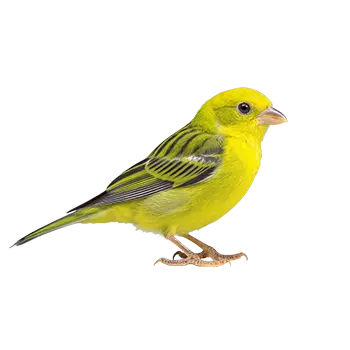

Recognizing when a Spanish Timbrado Canary has entered a terminal decline requires honest observation and a willingness to accept what the bird's body is communicating. Death in canaries can be sudden and unexpected, but more often it follows a recognizable trajectory of progressive decline that, once understood, allows the keeper to prepare emotionally and to make care decisions that prioritize the bird's comfort during its final days or weeks.
The signs of terminal decline in a canary are an intensification and acceleration of the changes associated with normal aging, combined with a failure to respond to interventions that previously helped. A bird that has been gradually slowing down over months may enter a phase where decline becomes visible from one day to the next. Significant, unexplained weight loss that does not respond to dietary changes is one of the most reliable indicators that the body's systems are failing. The bird may eat less, eat selectively, or lose interest in foods it previously enjoyed.
Postural changes become pronounced during terminal decline. The bird may sit low on the perch with fluffed feathers for most of the day, or it may descend to the cage floor and remain there, lacking the strength or coordination to perch. Eyes that were bright may become dull or partially closed. The bird may tuck its head into its back feathers during daylight hours, a behavior normally reserved for sleep. Breathing may become labored, with visible tail bobbing or abdominal effort, indicating that the respiratory or cardiovascular system is compromised.
Droppings often provide important diagnostic information during this stage. Terminal organ failure frequently produces characteristic changes in droppings. Liver failure may cause bright green or yellowish droppings. Kidney failure can produce excessively watery droppings with reduced or absent urate components. Blood in the droppings, while rare, indicates serious internal pathology. Any combination of these changes alongside the behavioral signs described above suggests that the bird is approaching the end of its life.
It is important to distinguish between terminal decline and treatable illness, particularly in birds whose age falls within the normal lifespan range for the breed. A canary that appears to be declining but is only six or seven years old may have a condition that, while serious, could respond to veterinary treatment. Seeking a professional evaluation is always worthwhile if there is any possibility of reversible illness, as the assessment itself causes minimal stress and may reveal options the keeper had not considered.