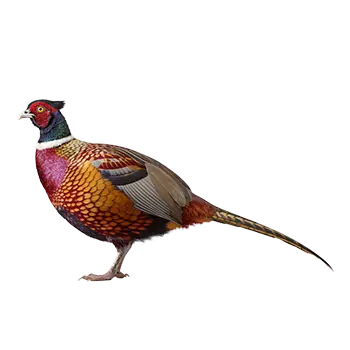

The juvenile stage of a Ring-necked Pheasant's life begins around six weeks of age, when the birds are fully feathered and capable of regulating their own body temperature without supplemental heat. This transition marks a major shift in management strategy, as the controlled brooder environment gives way to a larger, more complex living space that must accommodate the pheasant's growing need for flight exercise, ground foraging, and social interaction within its flock.
Moving juvenile pheasants from the brooder to an outdoor or semi-outdoor flight pen should be timed according to both the birds' development and the weather conditions. In temperate climates, the transition is straightforward during the warmer months, but birds reaching this stage during late autumn or winter may need an intermediate holding area with some weather protection. The flight pen should be fully prepared before the birds arrive, with secure fencing, overhead netting, adequate shelter structures, and established feeding and watering stations.
The flight pen itself must provide sufficient space to prevent overcrowding, which is the primary driver of feather pecking and cannibalism in captive pheasants. A general guideline is to allow at least 20 to 25 square feet of pen space per bird, though more is always better. The pen should include areas of natural or artificial cover such as brush piles, conifer branches, or lean-to shelters where subordinate birds can retreat from aggressive flock mates. Overhead netting is essential, as juvenile Ring-necked Pheasants are strong flyers by this age and will escape immediately from any uncovered enclosure.
The first few days after the move require close monitoring. Some stress is inevitable during the transition, and birds may initially refuse to eat or huddle in groups against the pen walls. Providing familiar feed in the same type of feeders used in the brooder eases the adjustment. Most flocks settle into the new environment within two to three days, resuming normal feeding, drinking, and exploratory behavior. Any bird that remains listless, refuses to eat, or shows signs of respiratory distress after the transition period should be evaluated individually.