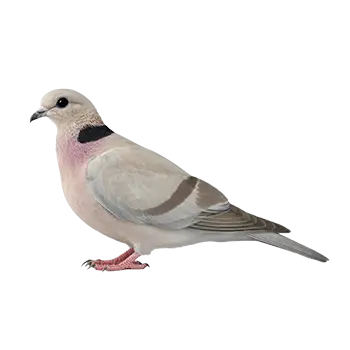

The transition from manageable senior decline to the end-of-life stage in a Ring-Necked Dove is often gradual, but there are recognizable patterns that signal the bird is entering its final period. Understanding these signs allows caregivers to shift their focus from curative efforts to comfort-oriented care, ensuring that the dove's remaining time is as peaceful and dignified as possible. This transition requires emotional honesty and a willingness to see the bird's experience clearly rather than through the lens of hope or denial.
A dove approaching the end of its life typically shows a marked and sustained decrease in activity that goes beyond the normal slowing of the senior years. The bird may stop flying entirely, remaining on a single low perch or on the cage floor for extended periods. Interest in food and water diminishes noticeably, and the bird may approach the food dish but eat only a few seeds before returning to its resting spot. Cooing, once a reliable indicator of well-being, may cease altogether or be reduced to occasional, half-hearted attempts that lack the rhythm and resonance of the bird's earlier vocalizations.
Physical changes become more pronounced as the body's systems begin to fail. Weight loss accelerates as muscle mass and fat reserves are consumed. The keel bone becomes prominently palpable, and the bird may appear hollow-bodied when viewed from above. Feather condition deteriorates because the bird lacks the energy or inclination to preen, resulting in a disheveled, fluffed appearance that reflects both the cessation of maintenance behavior and the body's failure to allocate resources to plumage upkeep. The eyes may appear dull or partially closed during waking hours.
Droppings change significantly as organ function declines. The fecal component may become scant or absent, leaving mostly urates and liquid urine. Discoloration of the urate portion from white to yellow or green can indicate liver or kidney failure. The volume and frequency of droppings may also decrease as food intake drops. These changes in excretory output provide important clinical information and should be communicated to your avian veterinarian as part of the ongoing quality of life assessment.