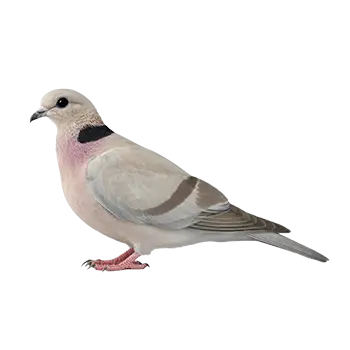

Daily Care & Routine

An adult Ring-Necked Dove thrives on consistency and predictability in its daily care routine. These gentle birds are creatures of habit, and a stable schedule for feeding, light cycles, and interaction periods reduces stress and supports long-term physical and psychological health. Establishing a routine that works within your household schedule and maintaining it with reasonable consistency is one of the simplest and most effective things you can do for your dove's well-being.

The day should begin with a visual health check as part of your morning routine. Before changing food and water, observe the bird's posture, alertness, and activity level. A healthy adult Ring-Necked Dove greets the morning with soft cooing, stretching, and an eager approach to the food dish. Scan the cage floor for overnight droppings, noting their consistency, color, and volume. This daily observation takes only a moment but creates a continuous record of the bird's baseline health that makes deviations immediately noticeable.

Fresh food and water should be provided every morning without exception. Remove the previous day's seed, replace it with a measured portion of fresh dove mix, and wash the food dish thoroughly. Water dishes require the same daily attention. Doves submerge their beaks to drink, which means food particles, feather dust, and droppings can contaminate the water quickly. Replace it with clean, fresh water in a washed dish at least twice daily. If your household water is heavily chlorinated, allowing the water to sit uncovered for an hour before offering it gives the chlorine time to dissipate.

Evening routines should include a second water change, a brief visual check of the bird, and preparation for the sleep period. Ring-Necked Doves require 10 to 12 hours of uninterrupted darkness for proper rest and hormonal regulation. Cover the cage with a breathable, dark cover or move the bird to a quiet, dark room at a consistent time each evening. Irregular light cycles can disrupt the dove's circadian rhythm, leading to chronic stress, abnormal molting patterns, and in some cases unwanted hormonal behavior.

Nutrition & Diet

A well-balanced diet is the cornerstone of health during the adult years of a Ring-Necked Dove's life. The species is primarily granivorous, meaning seeds form the foundation of the diet, but a seed-only regimen lacks the nutritional completeness that a captive dove needs to maintain peak condition over a lifespan of 10 to 15 years. Supplementing the seed base with appropriate vegetables, minerals, and occasional protein sources creates a diet that supports feather quality, immune function, reproductive health, and overall vitality.

The staple diet should consist of a high-quality dove seed mix containing white proso millet, red millet, canary seed, and small amounts of niger seed, safflower, and other small grains. Avoid parrot seed mixes, which typically include large seeds and nuts that are inappropriate for a dove's digestive system and feeding mechanics. Offer approximately one to two tablespoons of seed mix per bird per day, adjusting based on the individual's weight and activity level. Scatter some of the seed on a flat tray or the cage floor to encourage natural foraging behavior, which provides mental stimulation and slows consumption.

Fresh vegetables should be offered daily as a supplement to the seed diet. Finely chopped dark leafy greens such as romaine lettuce, dandelion greens, kale, and endive provide vitamins A and K as well as dietary fiber. Small amounts of grated carrot, finely diced bell pepper, and cooked peas add variety and additional micronutrients. Introduce new foods gradually and remove uneaten fresh food within a few hours to prevent spoilage. Not every dove accepts vegetables readily, so persistence and variety are key. Fruits should be offered sparingly due to their sugar content, and avocado must be avoided entirely as it is toxic to birds.

Mineral supplementation is particularly important for columbid species. A cuttlebone or mineral block should be available in the cage at all times, providing calcium and trace minerals on a self-regulating basis. Dove-specific grit, containing both insoluble granite particles for grinding food in the gizzard and solite oyster shell fragments for calcium supplementation, should be offered in a small separate dish. Unlike parrots, which hull their seeds before swallowing, doves consume seeds whole and rely on grit within the gizzard to mechanically break down the seed coats for digestion.

Clean, fresh water is as important as food quality. Doves consume more water relative to their body weight than many companion bird species because their method of drinking, which involves sustained suction rather than scooping and tilting, allows them to take in large volumes quickly. Ensure water is available at all times, served in a clean dish, and replaced at least twice daily. Some keepers add a small amount of apple cider vinegar to the drinking water once or twice a week as a mild crop acidifier, though this practice should be discussed with your avian veterinarian before implementation.

Housing & Environment

An adult Ring-Necked Dove's housing should provide adequate space for flight, comfortable roosting areas, and a safe, stable environment that supports the bird's physical and psychological needs throughout its prime years. While doves are adaptable birds that can tolerate a range of housing arrangements, the quality of their enclosure has a direct impact on their health, behavior, and longevity. Investing in appropriate housing from the outset prevents many of the chronic health and behavioral issues that arise from inadequate living conditions.

The minimum cage size for a single adult Ring-Necked Dove is 32 inches long by 18 inches wide by 18 inches high, but a flight cage of 36 to 48 inches in length is strongly recommended. Doves are horizontal fliers that need room to take off, glide, and land, so cage length matters far more than height. Bar spacing should be no more than half an inch to prevent the bird from wedging its head or body between the bars. Choose a cage with a removable bottom tray for easy daily cleaning and doors large enough to allow comfortable access for cage maintenance and bird handling.

Interior cage arrangement should include at least two perches positioned at different heights and at opposite ends of the cage to encourage flight between them. Natural wood perches of varying diameters support healthy foot condition and reduce the risk of bumblefoot, a painful pressure sore that develops on the plantar surface of the foot from prolonged contact with uniform perching surfaces. A flat platform perch or a shallow shelf gives the dove a resting option that distributes weight differently from round perches, which is beneficial for foot health variety.

The cage should be situated in a room where the household gathers, providing the dove with social interaction and visual stimulation, but positioned away from the kitchen, as polytetrafluoroethylene fumes from overheated non-stick cookware are rapidly fatal to birds. Avoid locations with drafts, direct prolonged sunlight, or proximity to heating and cooling vents. A wall or corner placement provides the security of a solid backdrop, reducing the bird's sense of exposure. If possible, provide access to natural, indirect sunlight or supplement with a full-spectrum avian light to support vitamin D3 synthesis, which is essential for calcium metabolism.

Behavior & Temperament

Adult Ring-Necked Doves are widely regarded as one of the calmest, most agreeable companion bird species available. Their gentle disposition, soft vocalizations, and tolerance of handling make them suitable for households that find the noise and demanding personalities of parrots overwhelming. Understanding the normal behavioral repertoire of an adult dove helps caregivers appreciate the bird's communication signals, meet its social needs, and recognize when behavior deviates from the healthy norm.

The most characteristic behavior of an adult Ring-Necked Dove is its cooing vocalization. Males produce a rhythmic, repetitive three-note coo that serves as a territorial and courtship advertisement. This call can be heard throughout the day, particularly during morning and late afternoon activity periods. Females coo as well, though typically with a softer, less structured pattern. The cooing of Ring-Necked Doves is generally considered pleasant and unobtrusive, but it is persistent, and prospective owners should understand that a healthy dove will vocalize every day. Silence in a normally vocal dove is a potential warning sign of illness or distress.

Bowing and tail-fanning displays are normal courtship and territorial behaviors in adult males. During a bow-coo display, the male inflates his crop, lowers his head in a deep bow, fans his tail, and delivers his coo with exaggerated body movements. This behavior is not limited to the presence of a female and may be directed at the caregiver, a mirror, or even a favored toy. It is a sign of a confident, healthy male and should not be discouraged. Females may respond with a softer bowing behavior and may assume a soliciting posture if they perceive the male's display as a breeding invitation.

Ring-Necked Doves are social birds that form strong pair bonds but can also bond deeply with a human caregiver when kept singly. A single dove relies on its human companion for social interaction and should receive daily out-of-cage time and gentle handling. Pairs of doves kept together will bond primarily with each other but can still maintain a friendly relationship with their caregiver. Regardless of whether the dove is kept singly or in a pair, isolation and neglect lead to depression, lethargy, and a decline in overall condition. These are not birds that can be purchased, caged, and forgotten.

Bathing is an important and enjoyable behavior for adult doves. Most Ring-Necked Doves relish the opportunity to bathe in a shallow dish of lukewarm water, fluttering their wings, dipping their heads, and shaking water through their plumage. Bathing serves a practical purpose by helping to loosen feather sheaths, remove dust and debris, and maintain feather condition. Offer a bathing dish two to three times per week, placing it in the cage or on a towel-covered surface during supervised out-of-cage time. Remove the dish after the bird has finished to prevent it from becoming a contaminated water source.

Exercise & Enrichment

Physical exercise and mental enrichment are essential components of care for an adult Ring-Necked Dove, even though the species is less demanding in this regard than parrots or other highly intelligent companion birds. Doves that lack opportunities for flight, exploration, and sensory variety can develop obesity, weakened musculature, and chronic boredom that manifests as lethargy, excessive sleeping, or repetitive behaviors. A daily enrichment routine does not need to be elaborate, but it should be consistent and varied enough to keep the bird engaged.

Flight remains the most important form of exercise for a dove throughout its life. Daily supervised out-of-cage flight time in a bird-proofed room allows the dove to stretch its wings, build and maintain pectoral muscle tone, and experience the physical and psychological satisfaction of free movement. Aim for at least 30 minutes of free-flight time per day, though many doves will fly actively for a period and then settle on a favorite perch to rest and observe. Ensure the room is safe by covering mirrors and windows, closing doors, turning off fans, and removing any toxic plants or accessible chemicals.

Enrichment for Ring-Necked Doves focuses on natural behaviors rather than puzzle-solving. Scatter seed on a flat tray filled with clean river pebbles or crumpled paper to encourage foraging. Provide fresh branches from safe tree species such as apple, willow, or elm for the dove to perch on and explore. A shallow bathing dish offers water-based enrichment that most doves enjoy enthusiastically. Small mirrors can provide visual stimulation, though they should be used with some caution in single-dove households because a strongly bonded dove may become fixated on its reflection to the exclusion of other activities.

Social enrichment is equally important. Spend time near the dove's cage, speaking softly and including the bird in household activities. During out-of-cage time, allow the dove to perch on your hand, shoulder, or a nearby surface while you read, work, or watch television. Ring-Necked Doves are not typically playful in the way parrots are, but they are deeply social and derive significant satisfaction from simply being in the company of their bonded human or avian companion. The dove that sits contentedly on your shoulder while you go about your evening routine is a dove whose enrichment needs are being met.

Health Maintenance

Preventive health care during the adult years focuses on maintaining the strong foundation established in youth and catching potential problems before they become serious. Ring-Necked Doves are generally hardy birds, but they are susceptible to a range of conditions that regular monitoring and veterinary care can address effectively when detected early. A proactive approach to health maintenance is far more effective and far less costly than reactive treatment of advanced disease.

Annual veterinary examinations should be a standard part of your adult dove's care calendar. These visits allow the veterinarian to assess body condition, evaluate feather quality and molt patterns, listen to heart and respiratory sounds, and palpate the abdomen for any abnormalities. Routine fecal analysis screens for internal parasites including coccidia, capillaria, and roundworms, all of which can affect columbid species. Blood work may be recommended periodically to check organ function, calcium levels, and other metabolic markers, particularly as the bird enters its middle years.

Molting is a normal physiological process that adult Ring-Necked Doves undergo once or twice per year. During a molt, the bird systematically replaces its feathers over a period of several weeks. Molting places significant nutritional demands on the body because feather production requires substantial protein and energy. The bird may appear slightly less vibrant during a molt, and some degree of reduced activity is normal. Ensure the diet is nutritionally complete during molting periods, and consider adding a small amount of cooked egg or a commercial avian protein supplement to support feather growth. An abnormal molt, characterized by bald patches, retained feather sheaths, stress bars across feather vanes, or feathers that fail to regrow, warrants veterinary investigation.

Respiratory health deserves particular vigilance in captive doves. The avian respiratory system is remarkably efficient but also highly sensitive to airborne irritants. Cigarette smoke, aerosol sprays, scented candles, air fresheners, and fumes from non-stick cookware are all potentially fatal respiratory hazards for birds. Maintain good air quality in the dove's environment by avoiding these products entirely in the home, using an air purifier with a HEPA filter near the cage, and ensuring adequate ventilation without direct drafts. Any sign of respiratory distress, including tail bobbing, open-mouth breathing, nasal discharge, or audible breathing sounds, requires prompt veterinary attention.

Nail and beak maintenance are minor but necessary aspects of adult dove care. In a captive environment where natural wear is limited, nails may grow excessively long and require periodic trimming. Use a small pair of bird nail clippers and trim only the transparent tip of each nail, avoiding the vascularized quick. If you are uncomfortable trimming nails yourself, your avian veterinarian or an experienced groomer can perform this task during routine visits. The beak should maintain its normal shape through natural use, but overgrowth or misalignment can indicate nutritional deficiency or liver disease and should be evaluated professionally.

Social Needs & Bonding

Ring-Necked Doves are fundamentally social birds whose well-being depends on meaningful companionship, whether from a mate, a cagemate, or a dedicated human caregiver. In the wild, these doves live in pairs or small flocks and maintain close physical proximity to their companions throughout the day. Captive doves retain this social orientation entirely, and meeting their companionship needs is not optional but essential for their emotional and physical health.

A single dove kept as a companion bird will direct its social needs toward its human caregiver. This can create a deeply rewarding bond for both the bird and the owner, but it also carries a responsibility. A singly kept dove needs daily interaction, ideally including at least an hour of direct attention through handling, talking, and shared presence outside the cage. Without this engagement, the dove may become withdrawn, stop vocalizing, reduce its food intake, and show signs of depression. If your lifestyle does not allow for consistent daily interaction, keeping a pair of doves is a far more humane arrangement than keeping a single bird that will spend most of its time alone.

Paired doves form intense monogamous bonds and devote considerable energy to maintaining their relationship through mutual preening, side-by-side roosting, and coordinated vocalizations. A well-bonded pair provides each other with the social enrichment that a busy human household may not always be able to supply. Introducing a new companion to an established single dove should be done gradually, with the birds housed in separate cages placed side by side for a period of one to two weeks before attempting shared housing. Not all doves accept a new companion immediately, and careful monitoring during the introduction phase prevents aggression or bullying.

The bond between a Ring-Necked Dove and its caregiver develops through trust, consistency, and gentle repetition. These are not birds that respond well to forceful handling or unpredictable interactions. Build trust by approaching the cage calmly, speaking in a soft, even tone, and offering your hand as a perch rather than reaching in to grab the bird. Over time, most Ring-Necked Doves will step onto an offered hand willingly, perch on a shoulder or head, and actively seek out human company. The reward for patient bonding is a companion that is genuinely affectionate, remarkably calm, and deeply trusting.

Recognize that even well-bonded doves have limits to their tolerance for handling. Unlike some parrot species that enjoy vigorous head scratches and rough play, doves prefer gentle stroking along the back and neck, soft verbal interaction, and the quiet comfort of physical proximity. Respect the bird's body language. A dove that leans into your hand is inviting contact. A dove that tenses, raises its wings slightly, or attempts to move away is signaling that it needs space. Responsive caregiving that honors these signals deepens the bond over time and produces a companion that is reliably relaxed and trusting.

Always consult a qualified professional before making any health-related decisions. This content is provided for informational reference only and should not replace professional guidance specific to your animal.