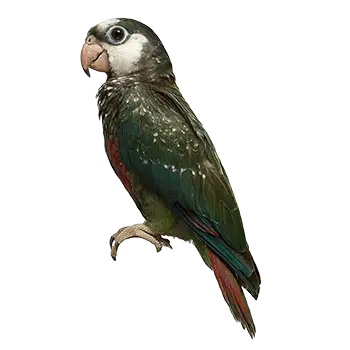

Breeding Readiness

White-capped Pionus parrots reach sexual maturity at approximately three to five years of age, though physical maturity alone does not determine breeding readiness. Successful breeding requires that both the male and female are in excellent physical health, at an appropriate weight, and free from chronic health conditions that could compromise the breeding process or be passed to offspring. A pre-breeding veterinary examination including blood work, fecal analysis, and testing for common avian diseases is strongly recommended for both birds.

Pair compatibility is another essential factor that cannot be rushed. Pionus parrots are generally monogamous and form strong pair bonds, but not every male and female placed together will form a compatible pair. Introducing potential mates should be done gradually, beginning with housing the birds in adjacent cages where they can see and hear each other without physical contact. Signs of mutual interest include sitting close to the shared cage wall, preening behaviors directed toward each other, and soft vocalizations. Aggression, persistent avoidance, or stress behaviors indicate that the pairing may not be a good match.

The breeding environment plays a significant role in stimulating reproductive behavior. In their native range across Central America, White-capped Pionus parrots breed during specific seasons that correspond to changes in day length, rainfall, and food availability. In captivity, breeding can be encouraged by gradually increasing light exposure to simulate longer spring days, providing a richer and more varied diet, and offering an appropriate nest box. The breeding area should be quiet, private, and free from disturbances that could cause stress or interrupt nesting behavior.

Courtship & Pair Bonding

The courtship behavior of White-capped Pionus parrots is relatively subtle compared to the dramatic displays seen in some other parrot species, but it is no less meaningful in establishing and reinforcing the pair bond. Courtship behaviors include mutual preening, where the pair takes turns grooming each other's head and neck feathers, regurgitative feeding from the male to the female, and synchronized movements such as head bobbing and wing fluttering.

Vocal communication intensifies during the courtship period, with the bonded pair developing a shared repertoire of contact calls and soft chattering that they use to maintain connection throughout the day. The male may become more vocal and animated, performing short flights or displays near the nest box to attract the female's attention. These behaviors can begin weeks before egg laying and serve to synchronize the pair's reproductive readiness.

Once the pair bond is firmly established, the birds will begin investigating the nest box together. A suitable nest box for White-capped Pionus parrots should be a vertical or L-shaped wooden box measuring approximately 10 by 10 by 24 inches, with an entrance hole of about three inches in diameter. Line the bottom of the nest box with a layer of untreated wood shavings or pine bedding to provide cushioning for the eggs. The box should be mounted in a quiet, high location within the breeding enclosure, as Pionus parrots prefer elevated nesting sites that feel secure and protected.

During the courtship and bonding period, it is important to minimize disturbances to the breeding pair. Reduce unnecessary handling, limit the number of people who enter the breeding area, and maintain a consistent routine of feeding and cage maintenance. Stress during this sensitive period can interrupt the breeding cycle and cause the pair to abandon nesting attempts.

Egg Laying & Incubation

A White-capped Pionus hen typically lays a clutch of three to five white eggs, with one egg laid approximately every other day until the clutch is complete. The hen usually begins sustained incubation after the second or third egg is laid, which means that the eggs will hatch in a staggered pattern over several days. This is normal for Pionus species and results in chicks of slightly different sizes and developmental stages within the same clutch.

The incubation period for White-capped Pionus eggs is approximately 24 to 26 days. The hen performs the majority of the incubation duties, leaving the nest box only briefly for food, water, and droppings. The male typically remains close to the nest box entrance during incubation, standing guard and feeding the hen through regurgitation. Some males will enter the nest box to sit with the hen or to incubate briefly while she takes a break, though this behavior varies between individual pairs.

During incubation, maintain stable environmental conditions in the breeding room. Temperature should remain between 70 and 80 degrees Fahrenheit, and humidity should be kept between 40 and 60 percent to support proper embryonic development within the eggs. Avoid sudden temperature swings, drafts, or disruptions that could cause the hen to leave the nest for extended periods. Limit nest box inspections to once daily or every other day, conducted quickly and calmly, to monitor egg condition without causing undue stress.

Infertile eggs or eggs that fail to develop can occur for a variety of reasons, including pair inexperience, nutritional deficiencies, or environmental stressors. If a hen is sitting on a clutch and no eggs have hatched by day 30, the eggs are almost certainly infertile or nonviable. Consult your avian veterinarian about whether to remove the eggs or allow the hen to abandon them naturally, as forced removal can sometimes trigger immediate relaying, which places additional physical stress on the hen.

Chick Rearing

Once the chicks begin to hatch, the demands on the parent birds increase dramatically, and the breeder's role shifts to supporting the parents while monitoring the health and development of the neonates. In parent-raised clutches, the hen and male work together to feed and warm the chicks, with the male often taking on the primary role of food gathering and delivery to the hen, who then feeds the chicks directly.

Monitor the chicks daily by conducting brief, gentle nest box checks. Newly hatched White-capped Pionus chicks are altricial and entirely helpless, weighing only a few grams at birth. Check that each chick's crop shows evidence of feeding, that skin color is healthy and pink, and that the nest box substrate remains clean and dry. Replace soiled bedding carefully without disturbing the chicks more than necessary.

If the parents are attentive and all chicks are being fed adequately, parent rearing is generally the preferred approach, as it produces chicks with superior social skills for future breeding and reduces the labor-intensive demands of hand feeding. However, breeders should be prepared to intervene with supplemental hand feedings if a chick falls behind in weight gain, if the parents reject a chick, or if the smallest chick in a staggered clutch is being outcompeted by its older siblings for food.

The decision to pull chicks for hand rearing, if the goal is to produce tame companion birds, is typically made between two and four weeks of age. Chicks pulled for hand feeding at this age have already received the immunological and nutritional benefits of parental feeding during the critical first weeks while still being young enough to imprint on and bond closely with their human caregivers.

Postpartum & Recovery Care

The breeding process places significant physical demands on both the hen and the male, and providing appropriate recovery care after the breeding cycle is essential for their long-term health. The hen in particular may be depleted of calcium, protein, and fat reserves after egg production, incubation, and chick rearing. A period of rest and nutritional rebuilding should follow every breeding cycle.

Remove the nest box once the chicks have been weaned or pulled for hand rearing to signal to the pair that the breeding season is over and to prevent immediate relaying. Allow the pair to remain together if they are bonded, but shift the environmental cues back toward non-breeding conditions by reducing light hours to 10 to 12 hours per day and returning to a standard maintenance diet without the enriched breeding supplements.

The hen should be monitored closely for signs of post-breeding complications, including egg binding in cases where relaying is attempted, calcium depletion manifesting as weakness, tremors, or seizures, and weight loss that does not recover within a reasonable time frame. A post-breeding veterinary checkup with blood work is advisable to assess the hen's nutritional status and organ function and to address any emerging issues before they become serious.

Breeding pairs should not be bred more than once or twice per year, and many experienced aviculturists recommend limiting breeding to once annually to allow the hen adequate recovery time. Continuous breeding without rest periods significantly increases the risk of reproductive complications, nutritional exhaustion, and shortened lifespan for the hen.

Responsible Breeding Ethics

Breeding White-capped Pionus parrots carries significant responsibilities that extend well beyond the mechanics of producing chicks. Ethical breeding practices are essential for the welfare of the parent birds, the health and future of the offspring, and the broader avicultural community. Before committing to a breeding program, prospective breeders should honestly assess their motivations, resources, and ability to provide lifelong care or appropriate placement for every chick produced.

Health testing of breeding stock is a cornerstone of responsible breeding. Both the male and female should be tested for common avian diseases including Psittacine Beak and Feather Disease, Polyomavirus, Avian Bornavirus, and Chlamydiosis before being paired. Birds with positive results for serious communicable diseases should not be bred, as these conditions can be transmitted to offspring and to other birds in the breeding facility. Genetic diversity should also be considered, and breeders should avoid pairing closely related birds to reduce the risk of inbreeding depression.

Every chick produced should have a plan for its future before the eggs are even laid. Responsible breeders maintain waiting lists, carefully screen potential buyers or adopters, provide comprehensive care information to new owners, and offer to take back birds that owners can no longer keep. The parrot rescue community is already overwhelmed with surrendered birds, many of whom were bred without adequate planning for their placement and lifelong care.

Contributing to the knowledge base of Pionus aviculture through accurate record keeping, participation in avicultural societies, and willingness to mentor newer breeders strengthens the community and supports the long-term conservation of these species in captivity. Breeding should never be undertaken solely for profit, as the costs of proper veterinary care, nutrition, housing, and responsible placement typically exceed the income generated from chick sales.

Always consult a qualified professional before making any health-related decisions. This content is provided for informational reference only and should not replace professional guidance specific to your animal.