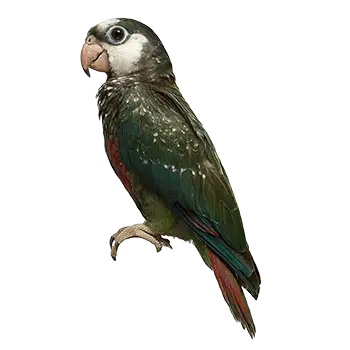

The adult phase of a White-capped Pionus's life typically spans from around two years of age through the mid-to-late teens, representing the longest and most stable period of its lifespan. During these prime years, the bird's immune system is at its strongest, its plumage is at its most vibrant, and its energy levels are consistent. However, maintaining peak health requires ongoing attention to diet, environment, veterinary care, and daily routines.
Annual wellness examinations with an avian veterinarian should be a non-negotiable part of adult care. A comprehensive checkup typically includes a physical examination, weight assessment, blood work to evaluate organ function and nutritional status, and fecal analysis to screen for parasites and bacterial imbalances. Many health conditions in parrots develop gradually and may not produce visible symptoms until they are advanced, making routine screening essential for early detection.
At home, daily observation remains the most valuable health monitoring tool. Become familiar with your bird's normal behavior patterns, activity levels, appetite, and droppings. Changes in any of these areas, even subtle ones, can be early indicators of illness. Pionus parrots are known for being relatively stoic birds that may mask signs of illness until they are quite unwell, so any noticeable change in routine or demeanor warrants prompt attention.
Maintaining a consistent daily schedule also supports long-term health. White-capped Pionus parrots thrive on routine and can become stressed by frequent disruptions to their environment or schedule. Consistent wake and sleep times, regular meal times, predictable out-of-cage periods, and a stable household environment all contribute to the bird's physical and emotional well-being.