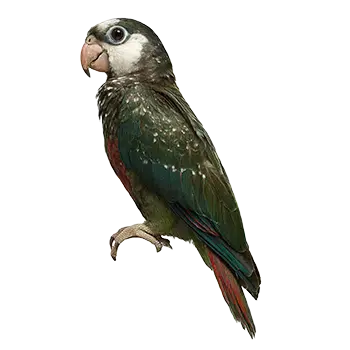

Determining when a White-capped Pionus transitions into its senior years is not as straightforward as consulting a calendar, because aging in parrots is influenced by genetics, diet, environmental conditions, and overall lifetime care. As a general guideline, a White-capped Pionus with a potential lifespan of 25 to 40 years may begin to show signs of aging somewhere between 15 and 25 years of age, depending on the individual. Birds that have received excellent nutrition, regular veterinary care, and appropriate mental stimulation throughout their lives tend to age more slowly and gracefully.
The onset of the senior phase is typically gradual rather than abrupt. You may notice subtle changes such as a slight reduction in activity level, longer rest periods during the day, a decreased interest in vigorous play, or minor changes in plumage condition. These shifts may be so incremental that they are easy to overlook unless you are actively watching for them. Maintaining detailed records of your bird's weight, activity patterns, and behavior over the years provides a valuable baseline for identifying age-related changes.
It is important to distinguish between normal age-related slowing and signs of illness, which can mimic each other closely. A bird that suddenly becomes lethargic, stops eating, or shows dramatic behavioral changes is likely ill rather than simply aging, and should be examined by an avian veterinarian promptly. Gradual, progressive changes are more consistent with the natural aging process, though they still warrant discussion with your veterinarian during routine checkups.