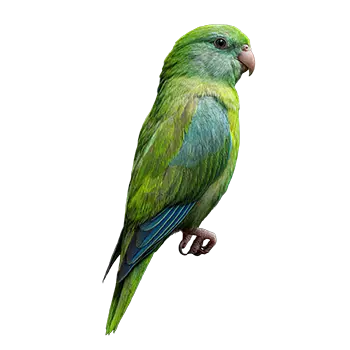

Recognizing when a Green-rumped Parrotlet is approaching the end of its life is one of the most difficult aspects of bird ownership, made more challenging by the species' instinct to mask illness and vulnerability. By the time signs of decline become overtly visible, the bird may already be in a critical state. Owners who have maintained close daily observation throughout the bird's life are best prepared to notice the subtle changes that signal a shift from manageable aging to terminal decline.
Key signs that a Parrotlet may be approaching the end of life include persistent refusal to eat despite being offered favorite foods, dramatic weight loss over a short period, prolonged time spent on the cage floor rather than on perches, fluffed feathers with closed or half-closed eyes for extended periods, and a lack of response to stimuli that would normally engage the bird. These signs can indicate organ failure, advanced disease, or a systemic decline that has overwhelmed the bird's ability to compensate.
Respiratory changes are often prominent in a bird that is declining. Labored breathing, open-mouth breathing at rest, tail bobbing, and audible clicking or wheezing sounds suggest the respiratory system is compromised. Changes in droppings, including dark or tarry feces, a significant increase or decrease in urate or liquid components, or the absence of droppings altogether, provide important diagnostic information and should be communicated to your avian veterinarian immediately.
It is important to understand that not all of these signs necessarily indicate imminent death. Some conditions are treatable, particularly if caught early. A sudden onset of severe symptoms warrants an emergency veterinary visit, as conditions such as egg binding, acute toxicosis, or severe infection may be reversible with prompt intervention. The purpose of recognizing these signs is to ensure timely, informed action, whether that means pursuing treatment or transitioning to comfort-focused care.