
Peak Health Maintenance

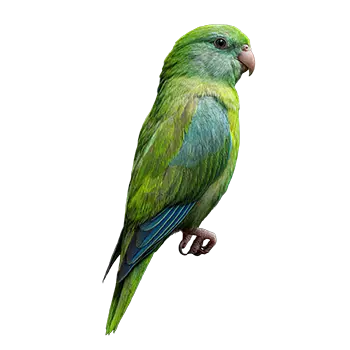
A Green-rumped Parrotlet reaches full physical maturity between one and two years of age, entering its prime years with vibrant plumage, strong musculature, and peak energy levels. Maintaining this level of health requires a proactive approach that combines proper nutrition, regular veterinary care, appropriate exercise, and a stable, enriching environment. The adult years are when the benefits of good husbandry practices established during the juvenile period truly pay off.

Annual wellness examinations with an avian veterinarian are the cornerstone of preventive health care for adult Parrotlets. A thorough annual checkup should include a physical examination, weight assessment, nail and beak evaluation, and a gram stain or culture of the crop and cloaca to screen for bacterial or fungal imbalances. Blood work, including a complete blood count and blood chemistry panel, provides valuable insight into organ function, nutritional status, and early detection of disease processes.

Monitoring the bird's weight at home on a regular basis is one of the simplest and most effective health management tools available. A kitchen scale accurate to the gram is ideal. Weighing the bird at the same time each day, ideally first thing in the morning before feeding, establishes a reliable baseline. A weight change of more than 10 percent in either direction warrants investigation, as rapid weight loss or gain can be an early indicator of illness in birds that are otherwise skilled at masking symptoms.

Environmental hygiene remains critically important throughout the adult years. Cage cleaning should be performed daily for food and water dishes, with a thorough cage scrub and disinfection weekly. Air quality in the home should be maintained by avoiding exposure to aerosol sprays, scented candles, incense, tobacco smoke, and fumes from non-stick cookware, all of which can cause acute respiratory distress or chronic damage in birds.

Nutrition at Maturity

The dietary needs of an adult Green-rumped Parrotlet are generally consistent with the balanced diet established during the juvenile phase, with some adjustments based on activity level, health status, and seasonal variations. A high-quality small-parrot pellet should continue to form the bulk of the diet at approximately 60 to 70 percent of daily intake. Adult Parrotlets tend to have established food preferences by this stage, which can make introducing new foods more challenging but not impossible.

Fresh vegetables remain essential and should be offered daily in variety. Rotating through different greens, root vegetables, and colorful produce ensures a broad spectrum of vitamins and minerals. Adults may be more selective than juveniles, so persistence and creativity in presentation are key. Mixing familiar favorites with small amounts of new items, offering foods in different formats such as skewered, chopped, or pureed, and eating in front of the bird can all encourage acceptance.

Obesity is one of the most common health problems in captive Parrotlets and becomes an increasing concern during the settled adult years when activity levels may naturally decrease. An all-seed diet or excessive treat offerings are the primary culprits. Monitoring weight regularly and adjusting food quantities based on the bird's body condition helps prevent the fatty liver disease, cardiovascular problems, and reduced lifespan associated with excess weight. Seeds should remain limited to no more than 10 percent of the diet.

Calcium supplementation through cuttlebone or mineral blocks should continue to be available, particularly for females who may produce eggs even without a mate. Egg production depletes calcium reserves rapidly and can lead to life-threatening egg binding if dietary calcium is insufficient. Fresh water, changed at least twice daily, completes the nutritional picture for a healthy adult Parrotlet.

Exercise & Enrichment

Adult Green-rumped Parrotlets retain the energetic, curious nature that characterizes the species, and they require consistent daily exercise and mental stimulation to maintain physical health and psychological well-being. A sedentary lifestyle leads not only to obesity but also to behavioral problems such as feather destructive behavior, excessive screaming, and aggression, all of which are significantly more common in under-stimulated birds.

Daily out-of-cage time remains essential, with a minimum of two to three hours of supervised free flight or interactive play recommended. A designated bird-safe room or play area equipped with a play stand, foraging stations, and climbing structures gives the bird space to exercise and explore. Ensuring the area is free of hazards such as open windows, ceiling fans, toxic plants, exposed wires, and accessible water sources like toilets or sinks is critical for safe free-flight time.

Foraging enrichment is one of the most effective ways to keep an adult Parrotlet mentally engaged. In the wild, these birds spend a significant portion of their day searching for food, and replicating this behavior in captivity provides both physical exercise and cognitive stimulation. Foraging toys that require the bird to manipulate, shred, or problem-solve to access hidden treats satisfy this natural drive. Starting with simple foraging challenges and gradually increasing difficulty prevents frustration while keeping the bird challenged.

Social interaction with the owner is itself a form of enrichment and exercise. Training sessions, even brief ones of five to ten minutes daily, reinforce the bond, provide mental stimulation, and can be used to teach new tricks or maintain existing skills. Talking to the bird, including it in daily activities, and providing varied auditory stimulation all contribute to a rich, engaging environment that supports the bird's well-being.

Preventive Health Care

Beyond annual veterinary visits, preventive health care for adult Parrotlets involves ongoing vigilance and attention to subtle changes in behavior, appearance, and routine. Birds are prey animals that instinctively mask signs of illness, making early detection particularly challenging. Owners who are familiar with their bird's normal behavior patterns are best positioned to notice the subtle shifts that may indicate a developing health issue.

Common health concerns in adult Green-rumped Parrotlets include respiratory infections, which may present as tail bobbing, labored breathing, or nasal discharge. Psittacosis, caused by the bacterium Chlamydia psittaci, is a particularly important disease to be aware of because it is zoonotic, meaning it can be transmitted from birds to humans. Regular screening and prompt treatment of any respiratory symptoms protect both the bird and the household.

Feather health should be monitored closely, as changes in feather quality, color, or growth patterns can indicate nutritional deficiencies, hormonal imbalances, or disease processes such as Psittacine Beak and Feather Disease. Feather destructive behavior, where the bird plucks, chews, or barbering its own feathers, is a complex issue that can have medical, environmental, or psychological causes and should be evaluated by an avian veterinarian.

Nail and beak maintenance is an ongoing aspect of adult care. While natural wood perches and mineral blocks help keep nails and beak worn naturally, periodic trimming may still be necessary. Overgrown nails can catch on cage bars or toys, causing injury, while an overgrown or misaligned beak can interfere with eating. These procedures are best performed by an experienced avian veterinarian or groomer, especially for a bird this small.

Behavioral Maturity

By adulthood, a Green-rumped Parrotlet has developed a distinct personality with established preferences, routines, and social dynamics. These birds are known for their outsized confidence and assertiveness relative to their small size, and adult Parrotlets can be remarkably opinionated about their likes and dislikes. Understanding and respecting the bird's individual temperament while maintaining appropriate boundaries is the key to a harmonious long-term relationship.

Hormonal behavior is a significant aspect of adult Parrotlet life and typically peaks during the spring and fall breeding seasons, though it can occur at any time in a captive environment with consistent lighting and temperature. Signs of hormonal behavior include increased territoriality, regurgitation directed at a favored person or object, paper shredding and nesting behavior, and heightened aggression. Managing hormonal triggers by ensuring the bird gets 12 to 14 hours of uninterrupted darkness each night, removing potential nesting sites, and avoiding petting the bird on the back or under the wings can help reduce these behaviors.

One-person bonding is a well-documented tendency in Parrotlets that can become problematic if not managed. A bird that bonds exclusively to one person may become aggressive toward other household members, possessive of its chosen person, and anxious when separated from them. Continuing to have multiple family members interact with the bird on a regular basis, using positive reinforcement, helps maintain broader social tolerance.

Aggression in adult Parrotlets, while common, should not be accepted as an unchangeable personality trait. Understanding the triggers for aggressive behavior, whether they are fear-based, territorial, hormonal, or related to past negative experiences, allows for targeted behavioral modification. Patience, consistency, and positive reinforcement are the most effective approaches. Punitive responses invariably worsen aggression and damage the human-bird relationship.

Feather Care & Grooming

Adult Green-rumped Parrotlets undergo a complete molt once or twice per year, during which old feathers are shed and replaced with new growth. The molting process places significant demands on the bird's nutritional reserves, particularly protein and calcium, and owners may notice their bird appears slightly less energetic or more irritable during heavy molts. Ensuring optimal nutrition and minimizing stress during molting periods supports healthy feather regrowth.

Regular bathing is an important component of feather care for adult Parrotlets. Bathing helps maintain feather condition by softening and loosening feather sheaths, removing dust and dander, and supporting the natural preening process. Most Parrotlets enjoy bathing and should be offered the opportunity several times per week through a shallow dish of water, a gentle mist from a spray bottle, or access to wet leafy greens. Water temperature should be lukewarm, and the bird should always be allowed to dry in a warm, draft-free area.

Preening is a natural and essential behavior in which the bird uses its beak to align, clean, and condition its feathers. Healthy preening should be distinguished from feather destructive behavior, which involves pulling out, chewing, or damaging feathers beyond normal maintenance. If a bird is observed spending excessive time preening a particular area, creating bald patches, or producing damaged feather shafts, a veterinary evaluation is warranted to rule out medical causes before addressing potential behavioral or environmental factors.

Wing clipping is a personal decision that should be made in consultation with an avian veterinarian, weighing the bird's safety, living environment, and activity needs. Some owners clip flight feathers to reduce the risk of escape or injury from collisions, while others maintain full flight for the bird's physical and psychological well-being. If clipping is chosen, it should be performed by a professional to ensure the correct feathers are trimmed and the bird retains enough lift for controlled descent, preventing injury from falls.

Always consult a qualified professional before making any health-related decisions. This content is provided for informational reference only and should not replace professional guidance specific to your animal.