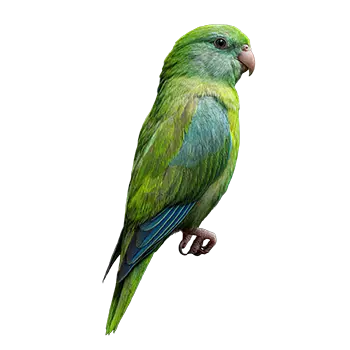

Green-rumped Parrotlets reach sexual maturity at approximately one year of age, though responsible breeders typically wait until birds are at least 12 to 18 months old before pairing them for breeding. Breeding a bird before it has reached full physical and behavioral maturity increases the risk of complications for both the hen and the chicks. A bird that is physically ready to breed should be at a healthy weight, in excellent feather condition, and free of any active health concerns.
Before initiating breeding, both the male and female should undergo a thorough veterinary examination, including blood work, disease screening, and a general health assessment. Testing for common avian diseases such as Psittacine Beak and Feather Disease, Avian Polyomavirus, and Chlamydiosis is essential to prevent passing infections to chicks or to the mate. The veterinarian can also assess the hen's reproductive health and confirm that both birds are in suitable condition for the physical demands of breeding.
The pair should be well-established and compatible before a nest box is introduced. Not all Parrotlet pairs bond successfully, and forced pairings can result in aggression, stress, or injury. Ideally, the male and female have been housed together or in adjacent cages for a period of weeks to months, during which they have shown positive signs of bonding such as mutual preening, feeding each other, and spending time perched together. Introducing a nest box to an incompatible pair often escalates territorial aggression.
Nutritional preparation for breeding should begin several weeks before the nest box is offered. Increasing the availability of calcium-rich foods, protein sources such as egg food, and nutrient-dense vegetables primes the hen's body for the demands of egg production. The cock also benefits from enhanced nutrition, as he will be feeding the hen during incubation and assisting with chick rearing. A well-nourished pair produces healthier eggs and more vigorous chicks.