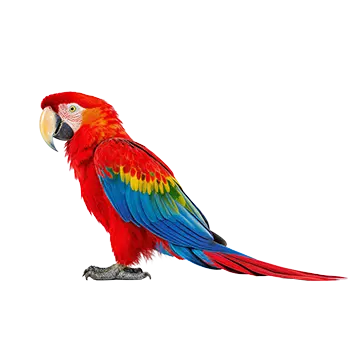

Determining when a Scarlet Macaw enters its senior years is less precise than it might be for dogs or cats, largely because these birds have exceptionally long lifespans and aging research in parrots remains limited. As a general guideline, a Scarlet Macaw may be considered entering its senior phase somewhere between 35 and 45 years of age, depending on its overall health history, genetics, diet, and quality of care received throughout its life. Some well-maintained birds show few signs of aging well into their forties, while others with a history of poor nutrition or chronic health issues may begin declining earlier.
The transition into senior status is gradual rather than sudden. You may notice your macaw becoming slightly less active, sleeping a bit longer, or showing reduced enthusiasm for vigorous play. These subtle shifts are easy to dismiss as temporary mood changes, which is why long-term familiarity with your bird's baseline behavior is so valuable. A bird you have known for decades provides a wealth of context that helps you distinguish normal daily variation from a genuine downward trend.
Avian veterinarians may recommend shifting from annual to semi-annual wellness examinations once a macaw reaches the senior threshold. Blood work becomes even more important at this stage, as organ function can decline gradually and early detection of kidney disease, liver compromise, or thyroid issues allows for management strategies that can significantly extend quality of life.
It is worth noting that a senior Scarlet Macaw is not an infirm bird. Many macaws in their forties and even fifties remain active, vocal, and socially engaged companions. The senior designation is a signal to increase monitoring and make thoughtful environmental adjustments, not to assume the bird's best years are behind it.