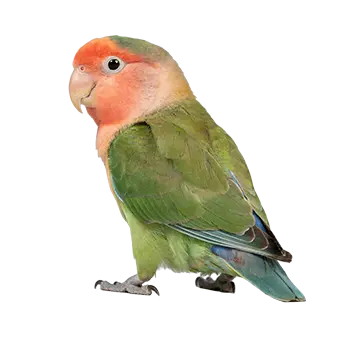

The juvenile period for peach-faced lovebirds spans roughly from weaning at six to eight weeks through sexual maturity at around eight to twelve months. During this stage, the young bird undergoes a dramatic physical transformation. The muted, slightly dusky plumage of the fledgling gradually gives way to the vivid greens, warm peach-orange facial coloring, and bright blue rump feathers that define the adult appearance. This color transition happens through the bird's first molt, which typically begins around four to five months of age.
Weight stabilization is a key marker of healthy juvenile development. After the rapid weight gains of the nestling phase, a fully weaned lovebird should maintain a steady weight appropriate for its frame, generally between 46 and 63 grams. Regular weekly weigh-ins help track this stability. Sudden weight fluctuations during this period can indicate illness, stress, or dietary problems and should prompt a closer evaluation of the bird's overall condition and environment.
The first molt is a significant physiological event. The bird will shed its juvenile feathers and grow in adult plumage over a period of several weeks. During this time, the bird may appear scruffy or patchy, which is perfectly normal. Molting requires considerable energy and nutritional resources, so ensuring a well-balanced diet rich in protein and essential fatty acids during this period supports healthy feather production. Pin feathers emerging on the head and neck may cause the bird some discomfort, and a trusted companion bird or a gentle caregiver can help preen these areas.
Beak and nail growth should also be monitored throughout the juvenile stage. Providing natural wood perches of varying diameters helps keep nails trimmed and promotes healthy foot development. Mineral blocks and cuttlebone offer both beak conditioning and supplemental calcium. If the beak or nails become overgrown or misaligned, an avian veterinarian can perform a safe trim and evaluate whether an underlying nutritional issue may be contributing.