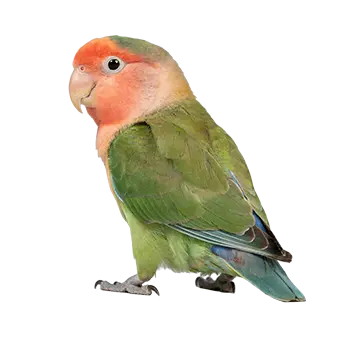

A peach-faced lovebird reaches full physical maturity between one and two years of age and enters a long prime period that can extend well into its teens with proper care. During these adult years, the bird is at its strongest, most vibrant, and most behaviorally established. Maintaining peak health during this extended prime is a matter of consistent daily care, attentive observation, and a proactive approach to prevention rather than reaction.
Annual wellness examinations with an avian veterinarian are the cornerstone of preventive health care for adult lovebirds. These visits typically include a physical examination, weight check, and assessment of feather condition, beak and nail health, and overall body condition. The veterinarian may recommend periodic blood work to screen for common avian health issues such as liver disease, infections, or metabolic imbalances. Establishing a baseline of normal values for your individual bird makes it far easier to detect subtle changes that could indicate early-stage disease.
Daily observation at home is equally important. A healthy adult lovebird should be active, vocal, and interested in its surroundings. The eyes should be bright and clear, the nostrils clean and dry, and the feathers smooth and well-preened. Droppings should be consistent in color, form, and frequency. Any changes in behavior, appetite, vocalization patterns, or droppings can be early indicators of illness in a species that instinctively hides signs of weakness.
Maintaining a consistent daily routine supports both physical and psychological health. Lovebirds thrive on predictability and can become stressed by frequent disruptions to their schedule. Consistent wake and sleep times, regular meal times, and predictable periods of interaction and quiet help the bird feel secure and reduce stress-related health and behavioral problems.