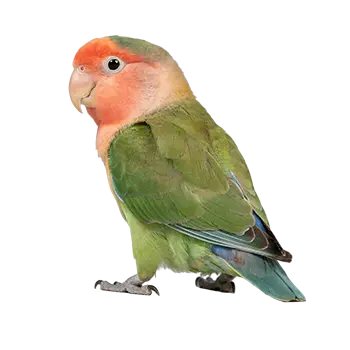

Peach-faced lovebirds are relatively long-lived for their size, with healthy individuals commonly reaching 15 to 20 years and some surpassing 25 years in exceptional cases. The senior stage generally begins around 10 to 12 years of age, though the onset of aging varies considerably among individuals depending on genetics, diet, overall health history, and quality of lifetime care. There is no single event that marks the transition — rather, aging is a gradual process that reveals itself through a constellation of subtle changes over time.
Early signs that a lovebird is entering its senior years may include a slight decrease in overall activity level, longer and more frequent napping, a reduction in vocalization intensity, and a gradually diminishing interest in vigorous play. The bird may spend more time on lower perches and less time at the top of the cage. Feather quality may subtly decline, with plumage appearing slightly less vibrant or taking longer to regain condition after a molt. These changes are typically slow and incremental, making regular observation and record-keeping valuable tools for tracking the bird's trajectory.
It is important not to dismiss behavioral changes in an older lovebird as simply a normal part of aging without veterinary evaluation. Many conditions that become more prevalent in senior birds — including liver disease, kidney dysfunction, heart disease, and tumors — produce symptoms that mimic general aging. A thorough veterinary examination can distinguish between normal age-related slowing and treatable medical conditions, potentially adding years of quality life.
Once a lovebird enters its senior years, the frequency of veterinary visits should increase from annual to semi-annual. These more frequent checkups allow for earlier detection of age-related health changes and timely intervention. Blood work, including a complete blood count and biochemistry panel, becomes particularly valuable in senior birds as a screening tool for organ function and metabolic health.