
Breeding Readiness

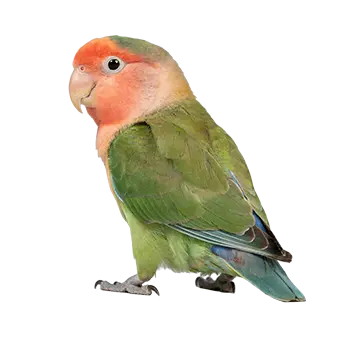
Peach-faced lovebirds reach sexual maturity between eight and twelve months of age, but sexual maturity does not equate to breeding readiness. Responsible breeders wait until both the hen and the cock are at least one year old and ideally closer to two years before allowing them to breed. Younger birds, while physically capable of producing eggs, are more likely to experience complications such as egg binding, poor parenting, and inadequate chick care. A fully mature, well-nourished pair in stable health produces better outcomes for both parents and offspring.

Before breeding, both birds should receive a thorough veterinary examination to confirm they are in good health and free from infectious diseases that could be transmitted to chicks. Blood work can identify nutritional deficiencies or organ dysfunction that should be addressed before the demands of breeding are placed on the body. Sex determination, if not previously confirmed, can be performed through DNA testing using a blood sample or feather, as peach-faced lovebirds are not reliably sexually dimorphic.

Pair compatibility is a genuine consideration with lovebirds. Despite their romantic name, not every pair of lovebirds will bond successfully. Some pairs take weeks or months of gradual introduction before they accept each other, while others never achieve compatibility. Forcing two incompatible birds to share a cage can result in serious injury. Signs of a bonded pair include mutual preening, feeding each other, sitting in close contact, and coordinated behaviors such as bathing and sleeping together.

Nutritional preparation should begin several weeks before a nest box is introduced. Increasing the hen's calcium intake through cuttlebone, mineral blocks, and calcium-rich vegetables helps build reserves for egg production. Both birds benefit from a protein-enriched diet during the pre-breeding period, including cooked egg, sprouted seeds, and a variety of fresh vegetables. A well-nourished pair enters the breeding cycle with the physiological reserves needed to sustain the demanding process of egg production, incubation, and chick rearing.

Nesting & Egg Laying

Peach-faced lovebirds are cavity nesters in the wild and require a nest box to breed successfully in captivity. The nest box should be constructed of untreated wood, with interior dimensions of approximately six inches by six inches by ten inches and an entrance hole of about two and a half inches in diameter. Attach the box to the outside of the cage at the highest practical point, as lovebirds prefer elevated nesting sites that provide a sense of security.

Unlike many parrot species, peach-faced lovebirds are avid nest builders. The hen will actively gather nesting material, typically stripping long, thin pieces from paper, palm fronds, or other fibrous materials, and tucking them into her rump feathers for transport to the nest box. Providing ample safe nesting material allows the hen to engage in this instinctive behavior. Avoid materials that could tangle around toes or legs, and never offer thread, string, yarn, or cotton fibers that could cause injury.

The hen typically lays a clutch of four to six eggs, depositing one egg every other day until the clutch is complete. Incubation usually begins after the second or third egg is laid, which means the eggs will hatch asynchronously. The incubation period is approximately 23 days, counted from when the hen begins sitting consistently. During this time, the hen spends most of her time in the nest box, leaving briefly to eat, drink, and defecate. The cock may feed the hen during incubation and will often stand guard near the nest box entrance.

Candling the eggs after about seven to ten days of incubation can help determine fertility. Hold the egg gently against a small, bright light source in a darkened room and look for a network of blood vessels and a dark embryonic mass, which indicate a developing chick. Clear eggs or eggs with a uniform opacity and no visible veining are infertile and can be removed after confirming on a second candling a few days later. Removing infertile eggs allows the hen to focus her energy on viable eggs.

Incubation & Hatching

The incubation period for peach-faced lovebird eggs lasts approximately 23 days, during which the hen provides the consistent warmth and humidity needed for embryonic development. She will turn the eggs periodically throughout the day, a critical behavior that prevents the developing embryo from adhering to the shell membrane and ensures even temperature distribution. Caregivers should minimize disturbances to the nest during this period, checking briefly and quietly when the hen leaves to eat rather than reaching in while she is brooding.

Maintaining appropriate humidity levels in the room where the breeding cage is kept supports successful hatching. Excessively dry air can cause the egg membranes to toughen, making it difficult for the chick to pip and emerge. A room humidity level of 40 to 60 percent is generally adequate, and a small humidifier nearby can help in dry climates or during winter when indoor heating reduces moisture levels. Avoid directing humidified air directly at the nest box, as excessive moisture can promote mold and bacterial growth in the nesting material.

As hatching approaches, you may hear faint tapping or chirping sounds from within the eggs. The chick first creates a small crack in the shell, known as a pip, using a specialized structure on its beak called the egg tooth. From the initial pip to full emergence can take 24 to 48 hours and is an exhausting process for the chick. It is critical not to intervene by attempting to help the chick out of the shell, as premature assistance can cause life-threatening bleeding from incompletely absorbed blood vessels.

Not every egg in a clutch will hatch. Some eggs may be infertile, others may contain embryos that failed to develop fully, and occasionally a fully developed chick will fail to emerge. A reasonable expectation for a healthy pair is that two to four chicks from a clutch of four to six eggs will hatch and survive. If the hen consistently produces clutches with very low hatch rates, a veterinary evaluation of both parents and a review of husbandry conditions may identify correctable issues.

Chick Rearing

Peach-faced lovebirds are generally attentive parents, and most experienced pairs will rear their chicks with minimal human intervention. The hen feeds the hatchlings a nutrient-rich crop secretion during the first days, gradually transitioning to regurgitated food as the chicks grow. Both parents contribute to feeding duties as the chicks mature, and a well-nourished pair can sustain a full clutch without supplemental hand-feeding.

The parents' diet during the chick-rearing period should be the richest and most varied of the entire breeding cycle. Offer abundant fresh vegetables, sprouted seeds, cooked grains, and egg food in addition to the regular pellet and seed mix. Soft, easily digestible foods are particularly important during the first two weeks when the parents are converting food into crop milk for the hatchlings. Ensure that food and water are replenished multiple times daily, as the nutritional demands of feeding a brood are substantial.

Monitoring the chicks without excessive interference is a balancing act. Brief daily checks when the hen is off the nest allow you to assess chick condition — looking for full crops, appropriate size progression, and clean, healthy skin. Keep a weight log using a gram scale if possible, as consistent weight gain is the most reliable indicator of adequate nutrition. If a chick's crop is consistently empty, if it appears significantly smaller than its nest mates, or if it is being pushed to the periphery of the nest, intervention may be necessary in the form of supplemental hand-feeding.

First-time parents sometimes struggle with chick rearing and may need closer observation. Issues can include failure to feed, excessive nest box aggression that endangers the chicks, or sitting too tightly and overheating the brood. If first-time parents are clearly neglecting or harming their chicks, the chicks should be pulled for hand-rearing and the parents given the opportunity to mature before being allowed to breed again. Many pairs that fail on their first attempt go on to become competent parents with subsequent clutches.

Postpartum & Recovery

After the chicks have fledged and weaned — typically by eight to ten weeks of age — both parent birds need a recovery period before any consideration of additional breeding. The physical demands of egg production, incubation, and chick rearing take a significant toll on the hen in particular. Calcium reserves may be depleted, body weight may have dropped, and overall condition may be diminished. Allowing a minimum of six months between clutches gives the hen time to rebuild her nutritional reserves and return to full health.

Removing the nest box promptly after the chicks are weaned is an important step in preventing back-to-back clutches. The mere presence of a nest box, combined with the hormonal state following a breeding cycle, can trigger the hen to begin laying again almost immediately. Removing the box, reducing day length to 10 to 12 hours, and temporarily eliminating warm, soft, and fibrous nesting materials from the cage helps suppress the hormonal drive to breed again.

Post-breeding veterinary evaluation is advisable, especially for hens. A checkup allows the veterinarian to assess body condition, check for signs of calcium depletion or reproductive complications, and recommend any necessary dietary adjustments or supplementation for the recovery period. Weight monitoring should continue during recovery, with the goal of returning both birds to their healthy pre-breeding weight.

The weaned chicks will need to be transitioned to their own housing as they become independent, typically by ten to twelve weeks of age. Juvenile lovebirds can be housed together in small groups, but caregivers should watch for aggression as the young birds establish social hierarchies. Each chick should receive a veterinary wellness examination and, if intended for placement in new homes, should be fully weaned, eating independently, and in good health before leaving the breeder's care.

Responsible Breeding Ethics

The decision to breed peach-faced lovebirds should be made thoughtfully and with a clear understanding of the responsibilities involved. Breeding produces living beings that will require care, socialization, and appropriate homes for 15 to 25 years. Before breeding, honestly assess whether you have the knowledge, time, financial resources, and commitment to care for parent birds, raise chicks properly, and find responsible, prepared homes for every offspring produced.

Overbreeding is a serious welfare concern in aviculture. Allowing a hen to produce clutch after clutch without adequate recovery time leads to chronic calcium depletion, reproductive organ damage, shortened lifespan, and a cascade of health problems. Responsible breeders strictly limit the number of clutches per year — no more than two is a widely accepted guideline — and prioritize the long-term health of the breeding pair over the production of chicks. Some experienced breeders allow only one clutch per year to ensure optimal recovery.

Genetic diversity and health should be central considerations in pair selection. Breeding closely related birds increases the risk of genetic defects, weakened immune systems, and reduced vitality in offspring. Responsible breeders maintain detailed records of lineage, avoid pairing birds with known heritable health issues, and prioritize overall health and temperament over color mutations or market trends. Selecting for extreme color mutations without regard for health produces birds that may look striking but suffer from compromised constitutions.

Finding quality homes for offspring is perhaps the most commonly underestimated challenge of breeding. The market for pet lovebirds fluctuates, and producing more birds than the local market can absorb contributes to the overpopulation problem that fills rescues and sanctuaries. Before each breeding cycle, responsible breeders have a plan for placing every potential chick in a vetted, prepared home. Screening potential owners, providing care information, and being willing to take birds back if placements fail are hallmarks of ethical breeding practice.

Always consult a qualified professional before making any health-related decisions. This content is provided for informational reference only and should not replace professional guidance specific to your animal.