
Growth & Physical Development

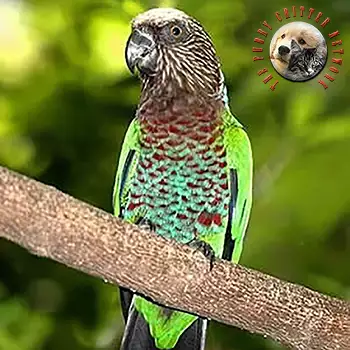
The juvenile stage in Hawk-headed Parrots begins around the time of weaning, typically between ten and fourteen weeks of age, and extends through the first year or slightly beyond. During this period the young bird undergoes a dramatic physical transformation, filling out its adult plumage and reaching its full body size of approximately twelve to fourteen inches from head to tail tip. The signature erectile head feathers, which the species fans outward when excited or alarmed, become increasingly prominent and colorful as juvenile molt progresses.

Feather development is the most visible marker of maturation during this stage. Juvenile Hawk-headed Parrots often display duller, less defined coloring than adults, particularly on the breast and head. The rich reds, blues, and greens that characterize the adult plumage emerge gradually through a series of molts over the first twelve to eighteen months. During active molting periods, the bird may appear scruffy or uneven in appearance, which is entirely normal and not cause for alarm.

Physically, the young bird's beak and feet continue to harden and strengthen throughout the juvenile period. The beak in particular grows rapidly and the bird will instinctively seek opportunities to chew and gnaw on objects, which is essential for proper beak conditioning. Providing a variety of safe, destructible toys and natural wood perches of varying diameters supports healthy beak and foot development during this high-growth phase.

Weight should stabilize during the juvenile period after the rapid gains of the neonatal phase. Regular weigh-ins, ideally at the same time each day, help establish a baseline and allow caretakers to spot subtle changes that might indicate illness, stress, or nutritional deficiencies before they become serious.

Nutrition & Diet Transition

Weaning is one of the most significant transitions in a young Hawk-headed Parrot's life and must be approached with patience and attentiveness. The shift from hand-feeding formula to solid foods is a gradual process that should never be rushed. Begin by offering a variety of soft, easily manipulated foods alongside regular formula feedings. Cooked grains, warm softened pellets, finely diced fruits, and steamed vegetables are excellent introductory options that allow the chick to experiment with textures and tastes.

As the young bird shows increasing interest in solid food and its crop begins to fill less from formula feedings, reduce the number of daily formula meals one at a time. Most Hawk-headed Parrots complete the weaning process between twelve and sixteen weeks of age, though some individuals take longer. Never force-wean by abruptly withdrawing formula, as this can cause dangerous weight loss, stress, and behavioral problems that persist into adulthood.

Once weaned, the juvenile Hawk-headed Parrot's diet should center on a high-quality pelleted food formulated for medium-sized parrots, supplemented with a wide variety of fresh fruits, vegetables, and leafy greens. This is the ideal time to establish diverse eating habits, as birds that are exposed to many foods during the juvenile period tend to be more accepting of dietary variety throughout their lives. Offer new items repeatedly even if the bird initially refuses them, as parrots often need multiple exposures before trying an unfamiliar food.

Calcium and vitamin A are particularly important nutrients during the juvenile growth phase. Dark leafy greens, cooked sweet potato, carrots, and broccoli are excellent natural sources. Avoid seeds and nuts as primary diet components, as their high fat content and nutritional imbalances can lead to obesity and deficiency conditions. Seeds may be offered sparingly as training rewards or enrichment treats.

Behavioral Changes

Juvenile Hawk-headed Parrots are known for their intensity, and adolescence amplifies this trait considerably. As the bird's confidence grows, caretakers may notice a surge in boldness, curiosity, and testing of boundaries. The species' characteristic excitability becomes more pronounced during this stage, with the head feathers fanning outward more frequently in response to stimulation, new experiences, and even minor changes in routine.

Biting and nipping tend to increase during the juvenile period as the young bird explores its world and tests social boundaries. This is a normal developmental phase, not a sign of aggression or poor temperament. Responding with calm, consistent redirection rather than dramatic reactions is essential. Loud exclamations or pulling away sharply can inadvertently reinforce biting behavior, as the bird learns that biting produces an exciting response.

Fear periods may occur during adolescence, where the bird suddenly becomes wary of objects, people, or situations it previously accepted without issue. These phases are temporary and should be handled with patience rather than forced exposure. Allow the bird to observe the feared stimulus from a comfortable distance and gradually rebuild confidence through positive associations.

Hormonal behavior may begin to emerge toward the end of the juvenile period, particularly in birds approaching sexual maturity. Early signs can include increased territorial behavior around the cage, regurgitation directed at a favorite person or toy, and heightened sensitivity to touch along the back and under the wings. Understanding that these behaviors have a biological basis helps caretakers respond appropriately and avoid reinforcing patterns that become problematic in adulthood.

Training & Enrichment

The juvenile stage is the golden window for training a Hawk-headed Parrot. The young bird's natural curiosity and desire to engage with its caretaker make this an ideal time to establish foundational behaviors that will serve both bird and owner for decades. Step-up, step-down, stationing, and target training are essential skills that every companion Hawk-headed Parrot should learn, and positive reinforcement methods produce the best results with this sensitive and intelligent species.

Short, frequent training sessions of five to ten minutes work far better than long, exhausting drills. Hawk-headed Parrots have strong personalities and will disengage or become frustrated if sessions drag on. End every session on a positive note, even if progress has been minimal, so the bird associates training time with rewarding experiences. Use high-value treats such as a small piece of nut or favorite fruit to mark desired behaviors precisely.

Enrichment is not optional for this species—it is a fundamental care requirement. Juvenile Hawk-headed Parrots are exceptionally active and intelligent, and insufficient mental stimulation leads directly to behavioral problems including feather destructive behavior, screaming, and aggression. Rotate toys frequently, offer foraging opportunities that require problem-solving, and provide daily out-of-cage time in a bird-safe environment where the young parrot can explore, climb, and fly.

Flight is a particularly important form of enrichment and exercise during the juvenile period. If the bird's wing feathers are intact, supervised indoor flight sessions build muscle, coordination, and confidence. For birds in a flight-safe environment, this natural behavior contributes enormously to physical fitness and psychological wellbeing. Regardless of flight status, ensure the bird has ample opportunity for climbing, swinging, and vigorous physical activity every day.

Exercise & Activity

Juvenile Hawk-headed Parrots possess remarkable energy levels and require substantial daily activity to maintain physical health and emotional balance. A minimum of three to four hours of supervised out-of-cage time per day is recommended, though more is preferable whenever circumstances allow. During this time, the bird should have access to a play stand, climbing structures, and a variety of toys that encourage movement and interaction.

Climbing is a natural and essential activity for this arboreal species. Provide ladders, rope perches, and branching play gyms that allow the young parrot to navigate vertically and horizontally. Varying the arrangement of perches and play areas periodically challenges the bird to develop new motor skills and prevents the environment from becoming monotonous.

Interactive play with the caretaker is one of the most beneficial forms of exercise for a juvenile Hawk-headed Parrot. Games that involve retrieval, hide-and-seek with treats, and gentle roughhousing build the bond between bird and owner while burning physical energy. The Hawk-headed Parrot's playful and sometimes clownish nature makes it a willing and enthusiastic participant in these activities when trust has been established.

Monitor the bird's activity level as an indicator of overall health. A juvenile Hawk-headed Parrot that suddenly becomes lethargic, reluctant to leave its cage, or uninterested in play may be signaling illness, stress, or environmental discomfort. Similarly, excessive restlessness, pacing, or repetitive movements can indicate insufficient enrichment or anxiety that needs to be addressed through environmental modifications.

Veterinary Care & Disease Prevention

Regular veterinary checkups during the juvenile period are essential for monitoring growth, detecting early signs of disease, and establishing preventive health protocols. Schedule a comprehensive wellness exam shortly after weaning and follow up with visits every six months during the first two years. An avian veterinarian experienced with psittacine species can provide species-specific guidance tailored to your Hawk-headed Parrot's individual needs.

Bloodwork and fecal testing during juvenile wellness visits establish important baseline values that will be referenced throughout the bird's life. A complete blood count, chemistry panel, and fecal examination for parasites and abnormal bacteria should be part of routine screening. Discuss testing for psittacine beak and feather disease, avian polyomavirus, and chlamydiosis with your veterinarian, as these conditions are of particular concern in young parrots.

Juvenile Hawk-headed Parrots are susceptible to nutritional deficiencies if their diet is not properly balanced. Vitamin A deficiency and calcium imbalances are among the most common issues seen in young companion parrots. Symptoms may include dull feathering, flaky skin, swollen eyes, or respiratory infections. Your veterinarian can assess nutritional status and recommend dietary adjustments before deficiencies cause lasting damage.

Biosecurity practices remain important during the juvenile stage, especially if the bird will be attending bird clubs, visiting pet stores, or interacting with other birds. Quarantine any new birds added to the household for a minimum of thirty to forty-five days, and practice thorough hand hygiene between handling different birds. The juvenile immune system, while more developed than a neonate's, is still maturing and remains vulnerable to infectious disease.

Socialization & Exposure

Broad socialization during the juvenile period has a profound and lasting impact on the Hawk-headed Parrot's ability to adapt to new people, environments, and experiences throughout its long life. This is the time to expose the young bird to as many positive, controlled experiences as possible. Introduce the bird to different family members, friends, and visitors so it learns that new people are not threatening. Ensure that every interaction is gentle and positive, as a single frightening experience can create lasting fear associations in this sensitive species.

Expose the juvenile bird to a variety of household sounds, textures, and visual stimuli. Vacuum cleaners, music, television, kitchen sounds, and normal household activity should become familiar rather than alarming. Carry the bird through different rooms of the home and allow it to observe daily routines from a secure perch or your hand. Birds that are raised in a single room and rarely exposed to the broader household environment often develop anxiety and reactivity when they inevitably encounter unfamiliar stimuli later in life.

Travel socialization is another valuable investment during the juvenile period. Short car rides to safe destinations, visits to the avian veterinarian conducted in a calm and reassuring manner, and exposure to outdoor sights and sounds from the safety of a secure travel carrier all contribute to a well-adjusted adult bird. A Hawk-headed Parrot that has been gently exposed to travel during adolescence will handle veterinary visits, moves, and other necessary outings with far less stress than one that first leaves the home as an adult.

If the household includes other pets, carefully supervised introductions during the juvenile period help the young parrot learn to coexist peacefully. Never leave a juvenile parrot unsupervised with cats, dogs, or other predatory animals, regardless of how trustworthy the other pet may seem. Even well-intentioned interactions can escalate quickly, and the consequences for a young bird can be severe. Establish safe boundaries and ensure the parrot always has a secure retreat.

Always consult a qualified professional before making any health-related decisions. This content is provided for informational reference only and should not replace professional guidance specific to your animal.