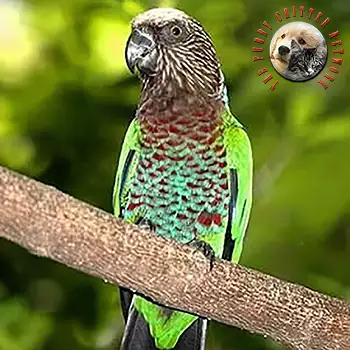

Determining when a Hawk-headed Parrot enters its senior years is not always straightforward, as the transition is gradual rather than abrupt. Generally, Hawk-headed Parrots are considered to be entering their senior phase around twenty to twenty-five years of age, depending on individual genetics, lifetime diet, and overall care quality. A bird that has received excellent nutrition and veterinary attention throughout its life may show few signs of aging well into its twenties, while one with a history of dietary deficiencies or chronic health issues may show earlier decline.
The first signs of aging are often subtle and easily overlooked. A gradual decrease in activity level, longer rest periods during the day, and a slight reduction in playfulness may be among the earliest indicators. The bird's plumage may lose some of its vibrancy, and molts may take longer to complete. These changes develop slowly over months or years and are part of the natural aging process.
It is important to distinguish normal aging from illness. Many conditions common in senior parrots, including kidney disease, liver dysfunction, heart disease, and cataracts, develop insidiously and can mimic the general slowing down associated with age. Any noticeable change in behavior, appetite, weight, or physical condition in an older bird warrants a veterinary evaluation rather than dismissal as simply getting old.
Establishing a senior care routine begins with increasing the frequency of veterinary visits from annual to semi-annual. Comprehensive bloodwork and diagnostic imaging performed twice a year allow for early detection of age-related conditions and give your avian veterinarian the best opportunity to intervene before problems become advanced or irreversible.