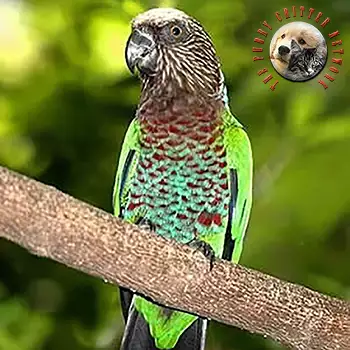

An adult Hawk-headed Parrot in its prime years is a vibrant, physically stunning bird with vivid plumage and boundless energy. Maintaining peak health during this stage requires a proactive approach that combines proper nutrition, regular veterinary care, daily exercise, and a stimulating living environment. The adult years typically span from around two years of age through the mid-twenties, representing the longest and most stable phase of the bird's life.
Annual wellness examinations with an avian veterinarian are the cornerstone of preventive health care for adult Hawk-headed Parrots. Each visit should include a thorough physical examination, complete blood count, blood chemistry panel, and fecal analysis. These routine diagnostics allow for early detection of conditions such as liver disease, kidney dysfunction, and nutritional imbalances that may develop silently before producing visible symptoms.
Daily observation by the caretaker is equally important. Monitor your bird's weight weekly using a gram-accurate scale, and take note of changes in appetite, droppings, energy level, feather condition, and behavior. Hawk-headed Parrots are masters at concealing illness, an instinct inherited from their wild ancestors where visible weakness attracted predators. By the time a parrot appears obviously ill, the condition may be well advanced.
Environmental quality directly impacts long-term health. Ensure adequate ventilation without drafts, maintain appropriate humidity levels between 40 and 60 percent, and keep the bird away from kitchen fumes, aerosol sprays, scented candles, and other airborne toxins. Nonstick cookware fumes are particularly deadly to parrots and should be eliminated entirely from any household with birds.