
Breeding Readiness

Hawk-headed Parrots reach sexual maturity between three and five years of age, though physical maturity alone does not indicate readiness for breeding. Successful reproduction requires birds that are in excellent physical health, emotionally stable, and properly bonded to their mate. Both the male and female should undergo a thorough pre-breeding veterinary examination that includes complete bloodwork, testing for infectious diseases such as psittacine beak and feather disease, polyomavirus, and chlamydiosis, as well as an overall assessment of body condition and organ function.

Pair compatibility is a significant factor in Hawk-headed Parrot breeding success, and this species is notorious for being selective about mates. Simply placing a male and female together does not guarantee bonding. Introductions should be conducted gradually, beginning with the birds housed in adjacent cages where they can see and hear each other without physical contact. Signs of mutual interest include synchronized movements, vocalizations directed at each other, and attempts to feed through the cage bars.

The breeding environment plays a critical role in triggering reproductive behavior. Hawk-headed Parrots in the wild breed in response to seasonal cues including increasing daylight hours, rising humidity, and food abundance. In captivity, gradually extending the photoperiod to twelve to fourteen hours of light per day and increasing humidity levels can help stimulate breeding condition. Ensure the pair has adequate privacy, as disturbances and foot traffic near the breeding area can discourage nesting behavior.

Nutrition should be enriched in the weeks leading up to breeding season. Increase offerings of calcium-rich foods such as dark leafy greens and cooked egg with shell for the hen, and boost overall fresh food variety for both birds. A well-nourished hen is more likely to produce healthy, viable eggs and sustain the physical demands of egg production and incubation.

Courtship & Mating

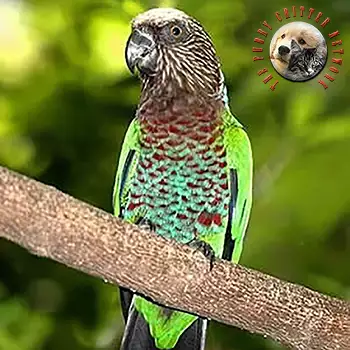
Courtship behavior in Hawk-headed Parrots is a distinctive and animated process. The male typically initiates courtship through elaborate displays that include fanning his spectacular head feathers, bobbing rhythmically, and producing a repertoire of vocalizations ranging from soft murmuring to excited calls. The female responds with reciprocal head displays, wing fluttering, and solicitation postures when she is receptive.

Mutual preening is one of the strongest indicators that a pair has formed a genuine bond. Bonded Hawk-headed Parrots spend considerable time grooming each other's head and neck feathers, areas the bird cannot reach on its own. This behavior strengthens the pair bond and serves as a precursor to mating. Regurgitative feeding, where the male offers pre-digested food to the female, is another key courtship behavior that signals breeding readiness.

Copulation typically occurs multiple times over a period of several days to weeks. The act itself is brief, lasting only a few seconds, and may occur on a perch, on the cage floor, or on a flat surface within the breeding enclosure. Interference or disturbance during mating attempts can disrupt the process and stress the pair, so minimize activity near the breeding area during this period.

Not all courtship attempts lead to successful mating. Incompatible pairs may go through the motions of courtship without ever progressing to copulation, or one partner may become aggressive toward the other. If aggression escalates to the point of injury or persistent harassment, separate the birds immediately and reassess whether the pairing is viable. Forced pairings rarely produce healthy chicks and can cause lasting physical and psychological harm to both birds.

Egg Laying & Incubation

Hawk-headed Parrots typically lay a clutch of two to four eggs, with each egg laid approximately every other day. The hen may begin incubation after the first egg is laid, which results in staggered hatching, or she may wait until the clutch is nearly complete before settling in to incubate. Incubation is performed primarily by the female, though the male often remains nearby and may sit in or near the nest box during breaks.

The incubation period for Hawk-headed Parrot eggs is approximately 26 days. During this time, the hen's nutritional and hydration needs are heightened, and food and water should be placed within easy reach of the nest box to minimize the time she spends away from the eggs. The male typically feeds the incubating female, and this cooperative behavior is a sign of a well-bonded, functional breeding pair.

Nest box selection and preparation are important for successful incubation. Hawk-headed Parrots prefer a deep, vertical nest box that mimics a natural tree cavity. The box should be constructed of untreated wood, with internal dimensions of approximately ten to twelve inches square and eighteen to twenty-four inches deep. A layer of clean wood shavings or pine bedding provides cushioning for the eggs and insulation against temperature fluctuations.

Candling the eggs at around seven to ten days of incubation can help determine fertility without excessive disturbance. Fertile eggs will show visible vein development and an embryonic disc when a small, bright light is held against the shell in a darkened room. Infertile or non-viable eggs can be removed to allow the hen to focus her energy on viable eggs. However, minimize handling and nest disturbance as much as possible, as Hawk-headed Parrots can be sensitive to intrusion and may abandon the nest if they feel their eggs are being threatened.

Hatching & Neonatal Period

As the incubation period nears completion, listen for faint peeping sounds from within the eggs, which indicate that the chicks are beginning to pip. The hatching process can take twelve to forty-eight hours from the first external pip to full emergence, and it is critical not to intervene unless the chick is clearly in distress. Premature assistance with hatching can damage blood vessels in the membrane and lead to fatal hemorrhaging.

Newly hatched Hawk-headed Parrot chicks are altricial, emerging blind, nearly naked, and completely helpless. If the parents are attentive and experienced, the hen will begin feeding the chicks within hours of hatching. Monitor the nest box at least once daily to confirm that all chicks have visible crop fills, but keep disturbances brief and calm to avoid stressing the parents.

In cases where the parents are inexperienced, neglectful, or aggressive toward the chicks, the breeder must be prepared to pull the chicks for hand-rearing. Have a brooder set up and preheated, along with a supply of hand-feeding formula and the necessary feeding equipment, well before the expected hatch date. The decision to pull chicks should be made promptly, as even a few hours of neglect can be fatal for a newly hatched parrot.

Staggered hatching means that chicks within the same clutch may differ significantly in size and developmental stage. The oldest chick has a competitive advantage at feeding time, and smaller, younger siblings may be pushed aside. Monitor each chick's weight and crop fill individually. If a younger chick is consistently falling behind, supplemental hand-feeding or full removal for hand-rearing may be necessary to ensure survival.

Postpartum Care

After the chicks hatch, the demands on the breeding pair intensify dramatically. Both parents participate in feeding the chicks, with the male often assuming the primary role of food provider while the hen remains in the nest to brood the young. The pair's nutritional needs peak during this period, and the breeder must ensure an abundant and varied supply of high-quality foods. Offer softened pellets, cooked grains and legumes, warm vegetables, sprouted seeds, and calcium-rich supplements to support the parents' health and the chicks' rapid growth.

Nest box hygiene becomes increasingly important as the chicks grow and produce larger volumes of droppings. While some breeders prefer minimal nest disturbance, allowing excessive waste to accumulate creates conditions that foster bacterial and fungal infections. A balanced approach involves brief, efficient cleaning sessions where soiled bedding is replaced with fresh shavings. Work quickly and calmly to minimize parental stress, and always wash hands thoroughly before and after handling the nest contents.

The hen's physical recovery after egg laying and incubation deserves attention. Egg production is a calcium-intensive process, and hens that have not received adequate calcium supplementation may develop metabolic bone weakening or post-laying complications. Monitor the hen for signs of lethargy, weakness, or difficulty perching, which could indicate calcium depletion. A post-breeding veterinary examination for both parents is advisable to assess overall condition and address any health concerns that developed during the demanding breeding period.

As the chicks grow and begin to feather out, they will become increasingly active within the nest box. Ensure the box is sturdy enough to withstand the activity of several growing parrots and that the entrance hole is positioned high enough to prevent premature fledging. The transition from nest-bound chick to fledgling is a critical period that requires close supervision to ensure the young birds' safety.

Responsible Breeding Ethics

Breeding Hawk-headed Parrots carries significant ethical responsibilities that extend well beyond the mechanics of pairing birds and incubating eggs. This species is relatively uncommon in aviculture compared to more popular parrot species, and breeders play an important role in maintaining healthy captive populations. Before initiating a breeding program, carefully consider whether you have the resources, knowledge, time, and commitment required to produce well-socialized, healthy chicks and place them in appropriate homes.

Genetic diversity is a critical concern in captive Hawk-headed Parrot populations. Avoid breeding closely related birds, and seek out unrelated stock when establishing or expanding a breeding program. Maintaining accurate pedigree records and coordinating with other reputable breeders helps prevent the inbreeding that can lead to reduced fertility, compromised immune function, and congenital abnormalities in subsequent generations.

The welfare of the breeding birds must always take precedence over production goals. Hawk-headed Parrots should not be bred continuously without adequate rest between clutches. Allowing a minimum of six months between breeding cycles gives the hen time to replenish calcium stores, recover body condition, and maintain long-term health. Overtaxing a breeding pair leads to declining egg quality, reduced chick viability, and premature aging of the parent birds.

Responsible placement of offspring is the final and perhaps most important ethical obligation. Hawk-headed Parrots are long-lived, intelligent, and emotionally complex birds that require knowledgeable, committed owners. Screen potential buyers carefully, provide comprehensive care information, and maintain an open-door policy for birds that need to be rehomed if circumstances change. The breeder's responsibility to each bird they produce extends throughout the bird's entire life, not just until the point of sale.

Always consult a qualified professional before making any health-related decisions. This content is provided for informational reference only and should not replace professional guidance specific to your animal.