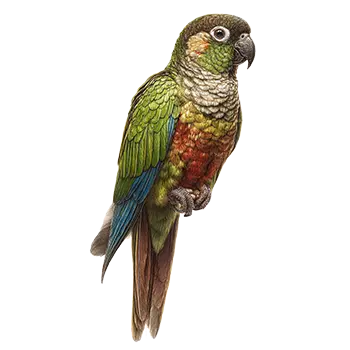

The Weaning Transition

Weaning is one of the most consequential phases in a Green-Cheeked Conure's development, and how it is managed has lasting effects on the bird's physical health, emotional security, and relationship with food. The process typically begins around seven to eight weeks of age, when the fledgling starts showing spontaneous interest in solid foods, and may continue until the bird is ten to twelve weeks old. Rushing weaning to meet a sales deadline or arbitrary schedule is one of the most common and harmful mistakes made with young conures.

The process should be abundance-led rather than deprivation-driven. This means offering a wide variety of appropriate solid foods while continuing to provide formula feedings on a gradually decreasing schedule. Present soft, warm foods that mimic the texture of regurgitated formula, such as cooked sweet potato, warm soaked pellets, steamed carrots, and mashed banana. Scatter these options in a shallow dish at the bottom of the cage where the fledgling can explore them during its natural foraging investigations. The chick will begin by mouthing, tossing, and crushing food long before it actually swallows meaningful quantities.

As the fledgling begins consuming more solid food, reduce formula feedings gradually. Most Green-Cheeked Conures will naturally drop their daytime feedings first, continuing to accept a morning and evening formula feeding for several additional weeks. The evening feeding is typically the last to go, as it provides both nutrition and emotional comfort at the end of the day. Monitor the chick's weight carefully throughout the weaning period. Some weight loss is normal as the bird transitions from calorie-dense formula to solid foods, but a loss exceeding ten percent of peak body weight warrants a return to supplemental feedings and veterinary evaluation.

Never force-wean a Green-Cheeked Conure by abruptly withdrawing formula. Forced weaning creates intense stress, can trigger long-term food anxiety and behavioral problems, and in severe cases leads to dangerous weight loss and crop dysfunction. Each chick weans on its own timeline, and some individuals take longer than others. Patience during this phase is an investment in the bird's lifelong wellbeing.

Fledging & Flight Development

The fledging period represents a transformative milestone for juvenile Green-Cheeked Conures, as they develop the physical coordination, muscular strength, and spatial awareness needed for controlled flight. Most Green-Cheeked Conures begin their first flight attempts between six and eight weeks of age, though these initial efforts are often clumsy, short-distance affairs that end with crash landings on floors, walls, or furniture. This is entirely normal and an essential part of the learning process.

Before the fledgling takes its first flight, prepare the environment to minimize injury risk. Remove or cover ceiling fans, close windows and doors, cover large mirrors and glass surfaces that the bird cannot distinguish from open space, and remove standing water deeper than a few centimeters. Clear the flight path of fragile objects and sharp edges. A room with carpeted flooring is ideal for early practice sessions, as it cushions the inevitable hard landings that occur while the bird is learning to judge distances and braking maneuvers.

Flight development follows a predictable progression. The fledgling first strengthens its pectoral muscles through vigorous wing-flapping while perched, a behavior sometimes called helicoptering. Next come short, low flights of a few feet, often directed downward from a perch to the floor. As coordination improves over the following weeks, the bird begins gaining altitude, turning corners, and landing with increasing precision on targeted perches. Each successful flight builds both physical capability and confidence, which is why allowing this natural process to unfold is so important for the bird's psychological development.

The question of wing clipping is one that every Green-Cheeked Conure owner must address during this stage. Opinions among avian professionals vary, but there is growing consensus that allowing a juvenile conure to fledge fully before any clip is considered produces a more confident, better-coordinated bird. Birds that are clipped before learning to fly often develop balance problems, increased fearfulness, and a heavier reliance on climbing that can persist even if flight feathers are later allowed to regrow. If you do choose to clip for safety reasons, consult an experienced avian veterinarian for a conservative clip that still allows controlled descent rather than a hard drop.

Diet & Nutritional Needs

A juvenile Green-Cheeked Conure's nutritional requirements shift significantly as it transitions from formula to independent eating. The diet established during this period sets lifelong preferences and habits, making it critically important to introduce a diverse, balanced array of foods rather than allowing the bird to fixate on a narrow range of favorites. Green-Cheeked Conures that are offered variety early tend to accept new foods readily throughout their lives, while those raised on seeds alone often become stubbornly resistant to dietary change.

A high-quality pelleted diet should form the nutritional foundation, comprising approximately 60 to 70 percent of the juvenile's daily intake. Pellets provide balanced nutrition that seeds cannot match, delivering consistent levels of vitamins, minerals, amino acids, and other micronutrients in every bite. Introduce pellets early in the weaning process by offering them warm and slightly moistened alongside formula feedings. As the bird matures, dry pellets can become the staple. Choose a pellet formulated for small to medium parrots, avoiding brands with excessive artificial colors or added sugars.

Fresh fruits and vegetables should make up 20 to 30 percent of the daily diet. Offer a rotating selection that includes dark leafy greens such as kale, Swiss chard, and dandelion greens, along with orange and red vegetables like sweet potato, carrot, bell pepper, and butternut squash. Fresh fruits including apple, blueberry, papaya, mango, and pomegranate provide vitamins and enrichment. Wash all produce thoroughly and remove uneaten fresh food within a few hours to prevent bacterial contamination. Avoid avocado, chocolate, caffeine, onion, garlic, and fruit pits, all of which are toxic to parrots.

Seeds and nuts should be offered sparingly, constituting no more than five to ten percent of the diet. While Green-Cheeked Conures enjoy sunflower seeds, safflower seeds, and small nuts, these foods are high in fat and low in essential nutrients. Used judiciously, they serve as excellent training rewards and foraging incentives. Sprouted seeds offer a healthier alternative to dry seeds, as the sprouting process increases nutrient availability and reduces fat content.

Calcium and vitamin supplementation may be necessary during the juvenile growth period, particularly for birds on a diet that is not yet fully balanced. Cuttlebone and mineral blocks should be available at all times. If the veterinarian identifies a specific deficiency, a liquid supplement added to soft food may be recommended. Avoid adding supplements to water, as they alter the taste and can discourage adequate hydration while also promoting bacterial growth in the water dish.

Behavioral Development & Training

The juvenile period is the optimal window for establishing behavioral patterns that will define the Green-Cheeked Conure's temperament for the rest of its life. Between two and six months of age, the bird's brain is primed for social learning, and experiences during this time leave deep impressions. Consistent, positive interactions now will produce a confident, well-adjusted companion, while neglect, inconsistency, or harsh handling can create a fearful or aggressive bird that is difficult to rehabilitate.

Step-up training should begin as soon as the fledgling is steady on its feet and comfortable with human hands. Present your hand or finger at the bird's lower chest, just above its feet, and give a clear verbal cue such as "step up." When the bird steps onto your hand, immediately reward it with verbal praise and occasionally a small treat. Practice this fundamental behavior several times daily in short, positive sessions lasting no more than five to ten minutes each. The step-up command is the cornerstone of all future handling and is essential for the bird's safety in everyday situations.

Green-Cheeked Conures are naturally inclined to use their beaks to explore, which means that nipping and biting behaviors are common during the juvenile phase. It is critical to address biting correctly from the start. Never react to a bite with a sharp yell, a shake, or any form of physical punishment, as these responses can permanently damage the bird's trust and often escalate the biting behavior. Instead, respond to bites with a calm, neutral reaction. Set the bird down without drama and briefly withdraw attention. The bird quickly learns that biting produces the opposite of what it wants, which is engagement and interaction.

This is also the ideal age to introduce target training, recall training, and basic trick behaviors. Green-Cheeked Conures are intelligent and eager to interact, making them excellent candidates for positive reinforcement training. Use a small stick or chopstick as a target, rewarding the bird each time it touches the tip with its beak. Target training becomes the gateway to teaching more complex behaviors and is invaluable for guiding the bird into carriers, onto scales for weighing, and through veterinary examinations without stress.

Socialization should expand beyond the primary caregiver during this phase. Invite trusted friends and family members to interact with the bird under supervision, following the same calm handling protocols you use. Expose the juvenile to a variety of environments, sounds, textures, and experiences in controlled, positive ways. A Green-Cheeked Conure that meets multiple people, encounters different household situations, and rides in a travel carrier during its juvenile months will be far more adaptable as an adult than one that is sheltered from novelty.

Cage Setup & Environmental Enrichment

As the juvenile Green-Cheeked Conure transitions from brooder to cage living, the design and furnishing of its enclosure become central to its physical and psychological development. A properly equipped cage provides not just a safe living space but a dynamic environment that encourages natural behaviors such as climbing, foraging, chewing, and exploring. An understimulated juvenile conure will develop destructive habits, excessive screaming, or repetitive stereotypic behaviors that are difficult to extinguish once established.

The cage itself should be as spacious as your living situation allows, with minimum interior dimensions of 24 inches wide by 24 inches deep by 30 inches tall for a single bird. Bar spacing should be no wider than five-eighths of an inch to prevent the bird from wedging its head between bars. Horizontal bars on at least two sides of the cage encourage climbing, which is a primary form of exercise for conures. Position the cage at or slightly below eye level in a room where the family spends significant time, as Green-Cheeked Conures are social birds that suffer when isolated from household activity.

Perches should vary in diameter, texture, and material to promote foot health and prevent pressure sores. Include at least one natural wood branch perch with an irregular diameter, a rope perch for comfortable sleeping, and a flat platform perch where the bird can rest its feet flat. Avoid sandpaper perch covers, which abrade the delicate skin on the feet and do nothing beneficial for nail maintenance. Position perches at different heights and orientations throughout the cage, but leave clear flight paths between them so the bird can move freely.

Foraging enrichment is essential at this stage, as it channels the juvenile's boundless curiosity into productive activity. Introduce simple foraging toys such as paper cups filled with treats, crinkled paper wrapped around pellets, or stainless steel skewers loaded with fresh vegetables. Rotate toys and foraging opportunities every few days to maintain novelty. Green-Cheeked Conures are avid chewers, so provide a steady supply of bird-safe destructible materials including untreated wood blocks, palm leaf shreds, and vegetable-tanned leather strips.

Bathing opportunities should be available regularly, as juvenile Green-Cheeked Conures typically enjoy water and benefit from the feather maintenance that bathing promotes. Offer a shallow dish of lukewarm water, mist the bird lightly with a clean spray bottle, or allow it to join you near a gentle shower stream. Bathing helps keep developing feathers clean, aids in removing feather sheath debris, and provides excellent sensory enrichment. Most conures develop a preferred bathing method during their juvenile months and maintain that preference throughout life.

Juvenile Health Milestones

The juvenile period encompasses a series of important health milestones that require monitoring and, in most cases, veterinary oversight. A Green-Cheeked Conure between the ages of two and twelve months is undergoing rapid physical maturation, and the health checks performed during this time establish baseline values that your avian veterinarian will reference throughout the bird's life.

The first major health milestone is the post-weaning veterinary examination. Once the bird is fully weaned and eating independently, schedule a comprehensive wellness check that includes a physical examination, complete blood count, blood chemistry panel, and Gram stain of the choana and cloaca. This visit establishes healthy baseline values for the individual bird, which are far more useful than generic reference ranges when evaluating future test results. The veterinarian will also assess the bird's body condition, feather quality, and developmental progress.

The first complete molt is a significant physiological event that typically begins around four to six months of age in Green-Cheeked Conures. During this molt, the bird replaces its juvenile plumage with adult feathers, a process that demands considerable metabolic resources. The bird may appear scruffy, develop pin feathers across its body, and seem more irritable or less energetic than usual. Ensure nutrition is optimized during the molt, with particular attention to protein and amino acid intake, which support feather keratin production. Bathing and light misting can help soothe itchy pin feathers and soften sheaths for easier removal during preening.

Monitor the bird's weight regularly throughout the juvenile period. After the slight weight dip that commonly accompanies weaning, the bird should gain steadily until it reaches its adult weight range, typically between 60 and 80 grams depending on the individual and subspecies. Weekly weigh-ins on a gram-accurate digital scale provide the data needed to detect trends. A juvenile that fails to gain weight or that loses weight outside of the weaning period should be examined promptly.

Behavioral health is as important as physical health during the juvenile stage. Watch for signs of stress or anxiety, including excessive screaming, feather barbering or early plucking, loss of appetite, aggression, or withdrawal from social interaction. These behaviors in a juvenile bird often indicate environmental or social problems that need to be addressed before they become entrenched habits. A bird that was previously social and suddenly becomes nippy or avoidant may be experiencing fear related to a new stimulus, hormonal changes, or pain from an undetected health issue. Early behavioral intervention, combined with veterinary evaluation to rule out physical causes, gives the best chance of resolution.

Common Juvenile Challenges

Raising a juvenile Green-Cheeked Conure is immensely rewarding, but this stage also presents a set of predictable challenges that can frustrate even experienced bird owners. Understanding that these difficulties are normal developmental phases rather than permanent personality traits helps caregivers respond constructively and maintain the patience necessary to guide the bird through them.

The most widespread challenge is the nippy phase, which typically emerges between three and five months of age. As the juvenile becomes more confident and begins testing social boundaries, it uses its beak with increasing force during interactions. This is not aggression in the clinical sense but rather a normal exploratory behavior combined with social experimentation. The bird is learning what level of beak pressure produces which social outcomes. Consistent, calm responses that do not reward biting with dramatic attention are the most effective approach. Over time, the bird learns the appropriate pressure for interacting with human skin, a process called beak pressure socialization.

The screaming phase often overlaps with or follows the nippy period. Green-Cheeked Conures are among the quieter conure species, but juveniles can develop contact calling habits that become problematic if reinforced. The bird screams, the owner yells back or rushes to the cage, and the bird learns that screaming is an effective tool for summoning attention. Break this cycle by responding only to acceptable vocalizations and ignoring screaming episodes. Acknowledge the bird with attention and praise when it uses normal contact calls, chirps, or quiet sounds. Reinforce the behaviors you want rather than punishing the ones you do not.

Regression in taming and handling is another common juvenile challenge. A bird that was perfectly comfortable stepping up and being handled may suddenly become flighty, resistant, or even afraid of hands. This often coincides with the first molt, hormonal shifts, or a negative experience such as a wing clip, veterinary visit, or accidental startle. Respond by dialing back to earlier stages of trust-building. Spend time near the cage without demanding interaction, offer treats through the bars, and reintroduce hand contact gradually. Most juveniles regain their confidence within a few weeks if the caregiver is patient and avoids forcing interactions.

Picky eating is a frustration that frequently surfaces once the novelty of solid food wears off. A juvenile that ate everything during weaning may suddenly refuse vegetables, reject pellets, or demand only seeds. Combating this requires persistence and creativity. Continue offering a variety of healthy foods in different presentations, eat in front of the bird to model food acceptance, and use foraging toys to make nutritious foods more interesting. Never remove healthy food in favor of seeds simply because the bird refuses to eat, as a healthy juvenile will not starve itself when appropriate food is available.

Always consult a qualified professional before making any health-related decisions. This content is provided for informational reference only and should not replace professional guidance specific to your animal.