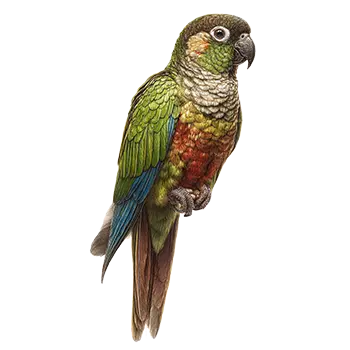
In the wild, Green-Cheeked Conures consume a varied diet of seeds, fruits, flowers, nuts, berries, and insects, adjusting their intake based on seasonal availability. This diverse natural diet provides balanced nutrition and demonstrates their adaptability as opportunistic feeders. Replicating this variety in captivity ensures optimal health and longevity.
A captive Green-Cheeked Conure's diet should consist primarily of high-quality pellets, which should comprise 60-70% of their daily intake. Pellets are nutritionally balanced, preventing the selective eating that occurs with seed-only diets. Choose organic, dye-free pellets when possible. Popular brands formulated specifically for small parrots include Harrison's, TOPS, Roudybush, and Zupreem Natural. Gradually transition birds from seed-based diets to pellets over several weeks, mixing increasing amounts of pellets with decreasing amounts of seeds.
The seeds versus pellets debate continues in avian nutrition, though veterinarians and nutritionists increasingly recommend pellet-based diets. All-seed diets are high in fat, deficient in calcium and vitamin A, and allow selective eating where birds consume only favorite (often least nutritious) seeds. This leads to obesity, fatty liver disease, and malnutrition. If feeding seeds, limit them to 10-15% of the diet as treats or training rewards, offering a quality mix rather than sunflower seeds alone.
Fresh vegetables should comprise 20-30% of the daily diet, offering variety and important nutrients. Excellent choices include dark leafy greens (kale, collards, dandelion greens), orange vegetables (carrots, sweet potato, butternut squash), peppers (all colors, including hot peppers), broccoli, green beans, peas, and sprouted seeds. Rotate vegetable offerings to prevent boredom and ensure diverse nutrient intake. Offer vegetables in the morning, removing uneaten portions after a few hours to prevent bacterial growth.
Fruits should be limited to 5-10% of the diet due to high sugar content, though they provide valuable vitamins and serve as healthy treats. Suitable fruits include berries, apple (without seeds), grapes, mango, papaya, pomegranate, and melons. Remove fruit pits and seeds from cherries, apples, pears, and stone fruits, as these contain trace cyanide compounds. Avoid avocado entirely, as it is highly toxic to birds.
Foods to strictly avoid include chocolate (toxic theobromine), caffeine, alcohol, high-salt foods, high-sugar foods, avocado, onions, garlic, dried beans (uncooked), apple seeds, fruit pits, rhubarb leaves, and dairy products in excess (birds lack enzymes to properly digest lactose). Teflon and other non-stick cookware fumes are deadly and must be avoided in homes with birds.
Calcium and mineral needs are particularly important for breeding females but benefit all birds. Provide cuttlebone or mineral block for supplemental calcium and beak conditioning. Calcium requirements increase during egg-laying, making supplementation crucial for females. Dark leafy greens also provide dietary calcium.
Vitamin supplementation is generally unnecessary if feeding a varied, pellet-based diet with fresh foods. Over-supplementation can cause toxicity, particularly with fat-soluble vitamins (A, D, E, K). If supplementing, use products specifically formulated for birds and follow dosage instructions carefully. Birds on seed-only diets require vitamin supplementation until transitioned to pellets.
Water requirements include providing fresh, clean water daily in a dish cleaned thoroughly to prevent bacterial growth. Change water at least once daily, more often if contaminated with food or droppings. Use stainless steel or ceramic dishes rather than plastic, which harbors bacteria in scratches. While some owners provide filtered or bottled water, most municipal tap water is safe unless it contains high chlorine levels or contaminants.
Foraging opportunities enrich feeding time and provide mental stimulation. Hide vegetables in paper bags, wrap nuts in paper for unwrapping, scatter pellets in shredded paper, use puzzle feeders requiring manipulation, or skewer vegetables for hanging treats. Foraging mimics natural feeding behaviors and prevents boredom, reducing behavioral problems. Dedicate 10-20 minutes daily to foraging activities for optimal mental health.