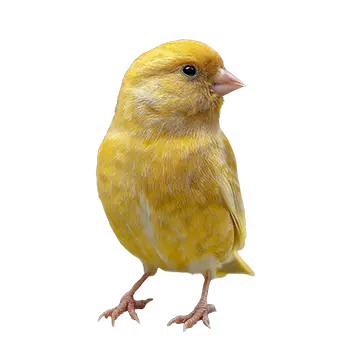

An adult Fife Fancy Canary thrives on consistency. Establishing and maintaining a reliable daily routine is one of the simplest and most effective things a keeper can do to support the bird's physical health and psychological wellbeing. Canaries are creatures of habit, and a Fife that knows what to expect from its day, when food appears, when lights come on and go off, when the cage is cleaned, is a calmer, healthier, and more vocal bird than one subjected to an unpredictable schedule.
The day should begin with uncovering the cage or gradually increasing the light level if using a timer. Allow the bird ten to fifteen minutes to wake, stretch, and move to its food and water before performing any cage maintenance. Begin with a water change, providing fresh, clean drinking water in a thoroughly rinsed vessel. Remove and replace any uneaten soft food or greens from the previous day, as spoiled food is a consistent source of bacterial infection in captive canaries. Replenish the seed dish, blowing off empty hulls or providing a completely fresh portion, depending on the dish type.
Cage floor maintenance should be performed daily. Paper cage liners are the most practical substrate because they allow easy inspection of droppings, which provides ongoing health information at a glance. Replace the liner each morning and briefly note the quantity, color, and consistency of the droppings. This takes only seconds but builds a baseline awareness that makes it much easier to notice changes when they occur. Perches should be scraped or wiped clean of droppings regularly, and any perch that has become excessively worn or soiled should be replaced.
Bathing is an important element of the adult Fife's daily routine. Most canaries are enthusiastic bathers, and access to a shallow bath dish several times per week, or daily if the bird enjoys it, supports skin and feather health. Offer the bath in the morning so the bird has the full day to dry before the temperature drops in the evening. Remove the bath dish after an hour or two to prevent the water from becoming fouled and to reduce cage humidity. Some Fifes prefer a fine mist spray from a plant mister to a traditional bath dish, and either method is acceptable.
End the day by covering the cage or dimming the lights to signal the onset of the rest period. Adult canaries need ten to twelve hours of uninterrupted darkness for proper rest, hormonal regulation, and immune function. A cage cover that blocks light while allowing adequate airflow is ideal. Position the cage away from screens, windows, and other light sources that could disrupt the bird's rest cycle. A consistent light-dark schedule also plays a central role in managing the annual reproductive and molt cycles.