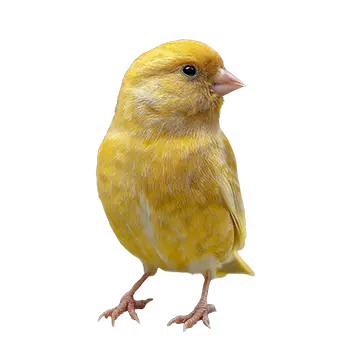

Weaning is one of the most consequential transitions in a Fife Fancy Canary's early life, marking the shift from parental dependence to nutritional self-sufficiency. This process typically begins around three to four weeks of age, when the fledgling starts picking at seed and soft food on its own while still receiving supplemental feedings from the hen or, less commonly, the cock bird. Rushing weaning leads to undernourished, stressed juveniles, while allowing it to drag on too long can interfere with the hen's preparation for a subsequent clutch.
The first signs that a Fife chick is ready to begin weaning are behavioral. The fledgling will spend increasing amounts of time on the cage floor or on perches near food dishes, pecking experimentally at seeds and soft food. Its begging calls become less frequent and less urgent, and it may begin to resist the hen's attempts to feed it. These behavioral cues are more reliable indicators of readiness than age alone, as individual chicks within the same clutch can reach this stage several days apart.
To support the weaning process, provide easily accessible food sources at multiple levels in the cage. Scatter a small amount of seed on the cage floor where the fledgling spends much of its time, and place shallow dishes of egg food and soaked seed at perch height. Spray millet is particularly valuable during weaning because its small, soft seeds are easy for a young canary to hull, and the act of picking at the spray provides both nutrition and motor skill development. Keep fresh water available in a shallow dish or a low-mounted drinker that the fledgling can reach without difficulty.
Complete weaning, the point at which the juvenile is eating entirely on its own, usually occurs between four and five weeks of age. Confirm independence by observing the chick's crop at various times throughout the day. A self-feeding juvenile will have a crop that fills and empties on a regular cycle without any input from the parents. Once you are confident that the juvenile is fully self-sufficient, it can be separated from the hen and moved to a juvenile flight cage with other weaned youngsters of similar age.