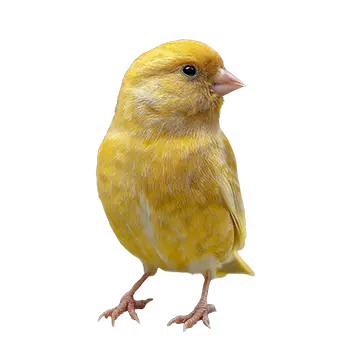

Successful Fife Fancy Canary breeding begins long before the first egg is laid. The selection of breeding pairs is the most consequential decision a breeder makes each season, determining the genetic potential, physical quality, and temperament of the resulting offspring. The Fife Fancy is a type canary, meaning it is judged primarily on physical conformation rather than song or color alone, and pair selection should be guided by a thorough understanding of the breed standard and a clear vision of what the breeder is trying to achieve.
The Fife Fancy breed standard calls for a small, compact, rounded bird with a well-proportioned head, a short neck blending smoothly into the body, a full chest, and a well-filled back carried at a slight angle above horizontal. The ideal Fife is often described as a smaller version of the Border Fancy Canary, though it has developed its own distinct type identity. When selecting pairs, evaluate each potential parent against the standard and identify strengths and weaknesses. The classic principle of compensatory mating applies: pair a bird with a particular fault to a partner that excels in the same area, aiming to correct the weakness in the offspring without sacrificing other qualities.
Color genetics play an important role in pair planning, particularly for breeders who exhibit their birds. Fifes are bred in a wide range of colors including clear yellow, clear buff, green, cinnamon, white, and variegated combinations. Understanding the basic inheritance patterns of lipochrome and melanin pigmentation, feather type differences between yellow and buff birds, and the sex-linked inheritance of certain color factors allows breeders to predict the likely color outcomes of their pairings with reasonable accuracy. Mating buff to yellow is a fundamental principle in canary breeding that helps maintain optimal feather texture, as buff-to-buff pairings can produce excessively coarse plumage while yellow-to-yellow matings can produce feathers that are too tight and thin.
Beyond physical attributes, consider the health history and temperament of each bird. Hens that have proven to be attentive, reliable mothers are valuable breeding assets, as are cock birds that display good fertility and a willingness to feed hens and chicks. Avoid breeding birds with hereditary health problems, persistent feather defects such as lumps or cysts that recur each molt, or behavioral issues such as chronic egg eating or chick abandonment. The goal is to produce strong, typey offspring that are a genuine improvement on the current generation.
Linebreeding, the practice of mating related birds that share desirable traits, is commonly employed by experienced Fife breeders to fix type characteristics within a stud. However, it must be practiced judiciously. Excessive inbreeding concentrates not only desirable genes but also recessive health problems, and it can reduce overall vigor and fertility. Outcrossing to unrelated stock of high quality every few generations helps maintain genetic diversity and hybrid vigor while preserving the core type characteristics the breeder has worked to establish.