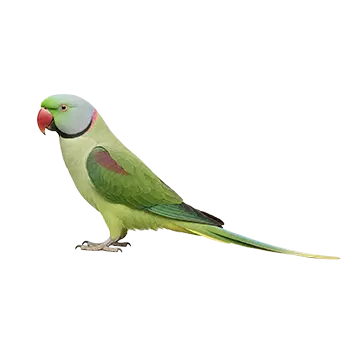

Derbyan Parakeets do not display the obvious aging signs that many mammalian pets do, which makes recognizing the transition into the senior life stage a matter of observation and familiarity rather than a single defining moment. There is no specific birthday at which a Derbyan becomes a senior bird, but most avian veterinarians consider the species to be entering its geriatric phase around 15 to 20 years of age, depending on the individual bird's overall health, genetic background, and the quality of care it has received throughout its life.
The earliest signs of aging are often subtle changes in activity level and behavior. A bird that once flew vigorously around the room may begin taking shorter flights or preferring to climb rather than fly. Daily activity periods may shorten, with the bird spending more time resting on a favored perch. Sleep requirements often increase, and the bird may begin settling for the night earlier than it did during its prime years. These changes are gradual and may be difficult to notice day to day, but they become apparent when compared against the bird's behavior from even a year or two earlier.
Physical changes accompany the behavioral shift. Feather quality may decline slightly, with molts producing feathers that are marginally less vibrant or that take longer to grow in. The beak may grow more quickly or unevenly as the bird's activity level decreases and natural wear diminishes. Nails may require more frequent trimming for the same reason. Some aging Derbyans develop a slight cloudiness to the eye that does not necessarily indicate disease but reflects the natural aging of the lens.
Recognizing these changes matters because early awareness allows the caregiver to make proactive adjustments to the bird's environment, diet, and veterinary schedule rather than reacting to problems after they have developed. A senior Derbyan that receives age-appropriate care from the earliest signs of aging is far more likely to maintain quality of life deep into its geriatric years than one whose care remains unchanged until a crisis forces intervention.