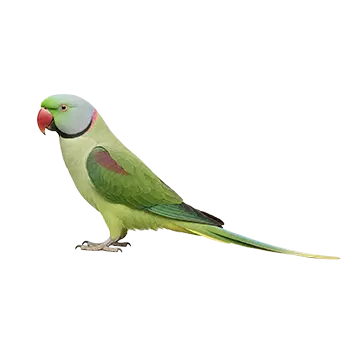

Derbyan Parakeets reach sexual maturity between two and three years of age, though responsible breeders typically wait until the birds are at least three years old before allowing breeding to ensure full physical and behavioral maturity. Breeding immature birds increases the risk of egg binding in undersized hens, inadequate parental behavior, and chicks that fail to thrive due to inexperienced parents. The patience required to wait for full maturity is repaid in healthier clutches and more reliable parenting from the breeding pair.
Pair selection is a critical decision that influences the health, temperament, and genetic diversity of the offspring. Both birds should be in excellent health, with recent veterinary examinations confirming they are free of transmissible diseases including Psittacine Beak and Feather Disease, Polyomavirus, and Chlamydiosis. Blood work and fecal analysis should be current for both prospective parents. Breeding birds with known health problems or carrying infectious diseases is irresponsible and produces chicks that may suffer or spread disease to other collections.
Sexing Derbyan Parakeets is straightforward in mature birds because the species is sexually dimorphic in bill color. Males display a red-orange upper mandible with a yellow tip, while females have a solid black upper mandible. Immature birds of both sexes show female-type coloration, so visual sexing is unreliable before approximately 18 to 24 months of age. DNA sexing from a blood or feather sample provides definitive confirmation if visual identification is uncertain.
Compatibility between prospective mates cannot be assumed. Derbyan Parakeets are not universally tolerant of conspecifics, and forcing two birds into a breeding situation without confirming mutual acceptance can result in aggression, injury, or chronic stress. Introduce potential pairs in adjacent cages where they can see and hear each other without physical contact. Observe their interactions over a period of weeks. Signs of mutual interest include approaching the shared cage wall, vocalizing to each other, mirroring body language, and offering food through the bars. Persistent aggression, fear responses, or complete disinterest from either bird indicates the pair is not compatible and should not be housed together.