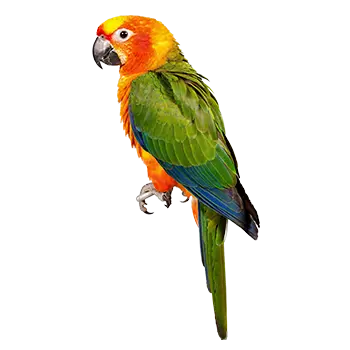

Determining when a Jenday Conure enters its senior years is not as straightforward as checking a calendar. With a potential lifespan of 25 to 30 years in captivity, most avian veterinarians consider Jenday Conures to be entering the senior phase around 18 to 20 years of age. However, individual aging varies significantly depending on genetics, lifetime diet quality, veterinary care history, and environmental conditions. Some birds show signs of aging in their mid-teens, while others remain vibrant and active well into their twenties.
The transition into the senior years is typically gradual rather than sudden. Caregivers may first notice subtle changes in activity level, with the bird spending slightly more time resting and less time engaged in vigorous play. Sleep patterns may shift, with the bird requiring more rest or settling down earlier in the evening. These early changes are normal and do not necessarily indicate illness, but they do signal that the bird's body is beginning to slow down and that care routines may need adjustment.
Feather quality may begin to change in the senior years. Molts may become longer and more stressful, and replacement feathers may not grow in as robustly as they once did. Some senior Jendays develop a slightly muted or less vibrant plumage compared to their prime adult years. The beak and nails may grow more quickly or unevenly due to changes in keratin production, requiring more frequent maintenance and monitoring.
Establishing a senior care protocol with the avian veterinarian is an important step once the bird enters this life stage. Biannual wellness examinations rather than annual ones allow for more frequent monitoring of organ function, blood values, and overall condition. Senior blood panels may reveal early signs of kidney, liver, or thyroid changes that can be managed proactively when caught early. The veterinarian can also provide guidance on modifying diet, environment, and activity levels to support the bird's changing needs.