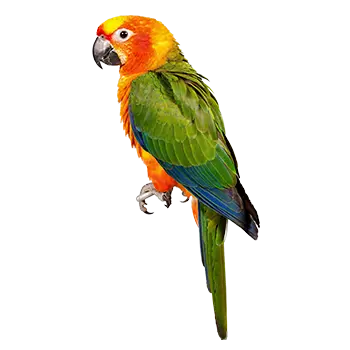

Jenday Conures reach sexual maturity at approximately two years of age, though responsible breeders generally recommend waiting until the birds are at least two and a half to three years old before allowing breeding to occur. This additional time allows the birds to reach full physical maturity and emotional stability, improving the likelihood of successful breeding outcomes and reducing risks to the hen. Rushing a pair into breeding before they are fully ready can result in egg binding, abandonment of eggs or chicks, and other complications.
Before any breeding attempt, both birds should undergo thorough veterinary examinations by an avian veterinarian experienced with breeding parrots. This examination should include complete blood work, testing for common avian diseases including polyomavirus, psittacine beak and feather disease, and chlamydia, as well as a physical assessment of body condition, weight, and overall fitness. Only birds in excellent health with no underlying conditions should be considered as breeding candidates. Additionally, DNA sexing should be performed to confirm the sex of each bird, as Jenday Conures are monomorphic and visual sex determination is unreliable.
Pair bonding in Jenday Conures is an important prerequisite for successful breeding. Not all pairs are compatible, and forcing two incompatible birds together can result in aggression, stress, and injury. Introducing potential breeding pairs should be done gradually, beginning with placing their cages side by side so they can observe and interact with each other safely. Signs of pair bond formation include mutual preening through the cage bars, synchronized vocalizations, feeding each other, and showing excitement when the other bird is nearby. Only when a clear pair bond has formed should the birds be housed together.
Nutritional preparation for breeding should begin several weeks before the nest box is introduced. Both the hen and the cock benefit from increased calcium, protein, and vitamin-rich foods to prepare their bodies for the demands of reproduction. Dark leafy greens, cooked legumes, egg food, and sprouted seeds all provide excellent nutritional support during the conditioning period. The hen especially needs ample calcium reserves to support eggshell formation and prevent the potentially life-threatening condition of egg binding.