
Peak Health Maintenance

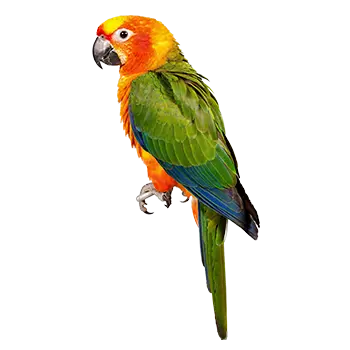
A Jenday Conure reaches full physical maturity by approximately two years of age, and the adult stage represents the longest phase of the bird's life, spanning from roughly age two through the late teens or early twenties. During these prime years, the Jenday displays its full adult plumage, a stunning combination of golden-yellow and orange on the head and breast, rich green wings, and a long blue-green tail. The bird's personality is well established, and its physical needs stabilize into a manageable routine.

Annual wellness examinations with an avian veterinarian are the cornerstone of peak health maintenance. These visits should include a thorough physical examination, baseline blood work including a complete blood count and biochemistry panel, and testing for common avian diseases as the veterinarian recommends. Establishing consistent annual baselines makes it far easier to detect subtle changes that might indicate emerging health problems. Many avian diseases present with very gradual changes that are only apparent when compared against previous results.

Weight management is a critical component of adult health. An adult Jenday Conure in good condition weighs between 120 and 140 grams, though individual variation exists. Weekly weigh-ins using a gram scale help track trends and catch gradual weight gain or loss before it becomes problematic. Obesity is surprisingly common in companion conures due to high-fat seed diets and insufficient exercise, and it contributes to fatty liver disease, cardiovascular problems, and reduced lifespan.

Airway and environmental health deserve ongoing attention throughout the adult years. Jenday Conures, like all parrots, have extremely sensitive respiratory systems. The bird's living space must remain free of scented candles, air fresheners, aerosol sprays, tobacco smoke, nonstick cookware fumes, and other airborne irritants. An air purifier with a HEPA filter in the room where the bird spends most of its time can significantly improve air quality and reduce respiratory risks.

Nutrition at Maturity

The dietary needs of an adult Jenday Conure are well defined, though many caregivers underestimate the importance of nutritional variety and balance. A high-quality pelleted diet should remain the foundation, comprising approximately 60 to 70 percent of daily intake. Pellets provide consistent, balanced nutrition that prevents the selective eating common with seed-based diets, where birds pick out their favorite high-fat seeds and leave the rest.

Fresh vegetables should make up roughly 20 to 25 percent of the daily diet, offered in a variety of preparations to maintain interest. Dark leafy greens such as kale, Swiss chard, and dandelion greens provide calcium and vitamins. Orange and yellow vegetables like carrots, sweet potatoes, and butternut squash are rich in beta-carotene. Peppers of all colors, broccoli, snap peas, and cooked legumes add nutritional variety and textural interest. Vegetables can be offered raw, lightly steamed, or chopped into foraging mixes to encourage natural feeding behaviors.

Fruit should be limited to no more than 5 to 10 percent of the diet due to its high sugar content. Berries, papaya, mango, and pomegranate are nutritious options that most Jendays enjoy. Seeds and nuts should be reserved primarily for training rewards and occasional treats, not offered as a dietary staple. While Jenday Conures adore sunflower seeds and peanuts, these items are high in fat and low in essential nutrients compared to pellets and vegetables, and overreliance on them contributes to obesity and malnutrition.

Clean, fresh water must be available at all times and changed at least twice daily. Adult Jenday Conures are enthusiastic bathers and often soil their water dishes quickly. Providing a separate shallow dish for bathing, or misting the bird regularly, helps keep the drinking water cleaner. Vitamin and mineral supplements are generally unnecessary if the bird is eating a well-balanced pellet-based diet with ample fresh produce, but specific supplementation may be recommended by a veterinarian based on individual needs or blood work results.

Exercise & Enrichment

An adult Jenday Conure requires a minimum of three to four hours of supervised out-of-cage time daily, and more is always better. These birds are naturally active, athletic, and curious, and confining them to even a spacious cage for the entire day leads to physical deterioration and behavioral problems. Out-of-cage time should include opportunities for flight if the bird is flighted, climbing, foraging, and interactive play with its human companions.

The enrichment needs of an adult Jenday extend well beyond basic toys. Foraging remains the single most important enrichment activity, as it engages the bird's problem-solving abilities and satisfies its instinct to work for food. Rotating a variety of foraging toys, puzzle feeders, and shreddable items keeps the bird mentally engaged and prevents the monotony that leads to behavioral issues. Many caregivers find that creating homemade foraging opportunities using paper bags, cardboard boxes, and wrapped treats is both cost-effective and deeply satisfying for the bird.

Social interaction is not merely enrichment for a Jenday Conure but a fundamental need. These are flock-oriented birds that suffer when isolated from social contact. The bird should be included in household activities whenever possible, whether that means having its play stand in the kitchen during meal preparation, joining the family in the living room during the evening, or simply being in the same room as its person while they work. Prolonged social isolation can trigger screaming, feather destructive behavior, and depression.

Physical enrichment should include opportunities for climbing, swinging, and manipulating objects. Rotate cage toys weekly to maintain novelty, and provide a mix of wood toys for chewing, acrylic puzzle toys, leather and rope toys for preening and pulling, and noise-making toys that provide auditory feedback. Natural branches from bird-safe trees offer excellent chewing and perching variety. The goal is to create an environment that stimulates the bird's body and mind in ways that approximate the complexity and challenges of its natural habitat.

Preventive Health Care

Preventive health care for the adult Jenday Conure goes beyond annual veterinary visits to encompass daily and weekly monitoring practices that catch problems early. Daily observation of the bird's behavior, appetite, droppings, and vocalizations provides the most immediate window into its health. A bird that is fluffed, quiet, sitting low on the perch, or showing changes in its eating patterns may be masking illness, a survival instinct that makes early detection challenging but critical.

Nail, beak, and wing maintenance are routine aspects of adult care. Nails should be trimmed regularly to prevent them from becoming overgrown and catching on toys, fabric, or cage components. The beak normally maintains itself through chewing and grinding, but occasional veterinary attention may be needed if the beak becomes overgrown, misaligned, or develops abnormalities. Wing clipping, if chosen, should be performed by an experienced professional or veterinarian to avoid cutting blood feathers or impairing the bird's ability to glide safely to the ground.

Bathing supports skin and feather health and should be offered several times per week. Most Jenday Conures enjoy bathing and will eagerly enter a shallow dish of lukewarm water or spread their wings under a gentle spray from a misting bottle. Regular bathing helps remove feather dust and dander, keeps the skin hydrated, and encourages natural preening behavior. The bird should always be allowed to dry in a warm, draft-free area after bathing.

Environmental hygiene is a daily responsibility. Cage papers or liners should be changed daily, food and water dishes washed with hot soapy water and rinsed thoroughly at least once daily, and the cage itself deep-cleaned weekly. Toys should be inspected regularly for wear, fraying, or damage that could pose ingestion or entanglement hazards. Perches should be scrubbed or replaced as they become soiled. A clean environment is one of the simplest and most effective ways to prevent illness in a companion bird.

Behavioral Maturity

By the time a Jenday Conure reaches full adulthood, its core personality traits are well established. These are characteristically bold, affectionate, and social birds that thrive on interaction and routine. However, behavioral challenges can emerge or persist in the adult years, and understanding the underlying causes is essential for addressing them effectively. Most behavioral problems in adult conures stem from unmet needs rather than defiance or malice.

Hormonal behavior is a predictable occurrence in adult Jenday Conures, typically presenting in the spring and sometimes again in the fall. During hormonal periods, the bird may become more territorial, nippy, or aggressive. Some birds display regurgitation directed at a favorite person or object, become possessive of their cage or a particular area, or engage in nest-seeking behavior such as burrowing into fabric or retreating into dark spaces. Managing hormonal behavior involves limiting daylight hours to no more than 10 to 12 hours, removing perceived nesting sites, avoiding petting along the back and under the wings, and maintaining a consistent routine.

Screaming is the most common behavioral complaint among Jenday Conure caregivers, and it is important to distinguish between normal flock contact calling and excessive, attention-seeking vocalization. Jenday Conures are naturally loud birds, and some level of morning and evening vocalization is normal and should be expected. Excessive screaming, however, often develops when the bird learns that vocalizing produces a response from its humans, even a negative one. Ignoring unwanted screaming while consistently rewarding quiet or acceptable vocalizations gradually reshapes the behavior.

Feather destructive behavior, ranging from excessive preening to outright plucking, can develop in adult conures for a variety of reasons including boredom, stress, hormonal imbalance, medical conditions, or environmental factors. Any new onset of feather damage should first be evaluated by an avian veterinarian to rule out medical causes. Once medical issues are excluded, addressing the environmental and psychological factors through increased enrichment, social interaction, routine stability, and possibly dietary adjustments forms the foundation of behavioral treatment.

Feather & Grooming Care

An adult Jenday Conure in good health undergoes one to two complete molts per year, during which old feathers are gradually replaced by new growth. Molting is a physiologically demanding process that increases the bird's nutritional requirements, particularly for protein and amino acids needed for feather production. Ensuring excellent nutrition during molting periods supports the growth of strong, vibrantly colored replacement feathers and helps the bird manage the physical stress of the process.

Preening is the primary mechanism by which parrots maintain their feathers, and a healthy adult Jenday will spend a significant portion of each day carefully grooming itself. During preening, the bird uses its beak to clean, align, and condition each feather, distributing oil from the uropygial gland at the base of the tail. Mutual preening, where the bird solicits head scratches from its human companion, is both a grooming activity and a deeply bonding social interaction. Caregivers can assist by gently rolling or scratching pin feathers on the head and neck once the waxy sheaths are ready to be removed.

Skin health is an often-overlooked aspect of grooming care. Parrots lack sweat glands and rely on bathing and preening to maintain skin moisture and integrity. Dry indoor environments, particularly those with forced-air heating during winter months, can cause skin dryness and itching that may contribute to feather destructive behavior. Maintaining household humidity between 40 and 60 percent, offering frequent bathing opportunities, and ensuring adequate dietary fat intake all support healthy skin.

The condition of the feathers and skin serves as a visible indicator of overall health. Feathers that appear dull, frayed, or discolored despite normal preening may indicate nutritional deficiencies, liver disease, or other systemic health problems. Stress bars, which appear as horizontal lines of weakness across the vane of a feather, indicate periods of stress or illness that occurred during that feather's growth. Monitoring feather quality over time provides valuable information about the bird's long-term health trajectory.

Always consult a qualified professional before making any health-related decisions. This content is provided for informational reference only and should not replace professional guidance specific to your animal.