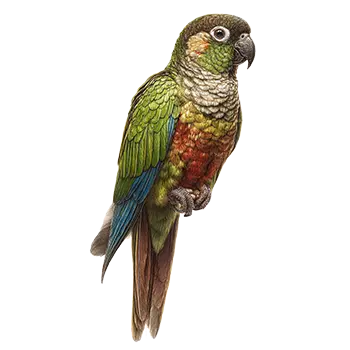

Breeding Readiness

Green-cheeked conures typically reach sexual maturity between one and two years of age, but sexual maturity alone does not mean a bird is ready to breed. Responsible breeding requires that both the male and female are in excellent physical health, have been screened for common avian diseases, and are of appropriate age and condition to handle the demands of reproduction. Most experienced breeders recommend waiting until birds are at least two years old before allowing breeding to ensure full physical and behavioral maturity.

Before pairing birds for breeding, both the male and female should undergo a thorough veterinary examination. This includes a complete physical assessment, blood work, and screening for diseases such as Psittacine Beak and Feather Disease, Avian Polyomavirus, and Chlamydiosis. Breeding birds that carry infectious diseases risks transmitting those diseases to chicks and to other birds in the household or aviary. DNA sexing is also essential, as green-cheeked conures are not reliably sexually dimorphic and visual identification of sex is unreliable.

Nutritional preparation should begin several weeks before breeding is initiated. Both birds should be transitioned to a calcium-enriched diet, with increased fresh vegetables and a high-quality pellet formulation. The hen in particular needs adequate calcium reserves to support egg formation without depleting her own skeletal calcium, which can lead to egg binding and metabolic bone disease. Cuttlebone or a veterinarian-recommended calcium supplement should be made available.

The breeding pair must be well-bonded and compatible. Green-cheeked conures generally form strong pair bonds, but not every pairing results in a compatible match. Signs of a well-bonded pair include mutual preening, feeding each other, spending time in close physical contact, and synchronized activity patterns. Aggression, persistent avoidance, or feather destruction directed at a cagemate indicate incompatibility, and forcing such a pairing can result in injury or chronic stress.

Courtship & Mating

Green-cheeked conure courtship involves a series of behavioral displays that signal readiness and mutual interest. The male typically initiates courtship by regurgitating food for the female, performing head-bobbing displays, and vocalizing with increased frequency and intensity. The female responds by soliciting feeding, adopting a crouched posture with raised tail, and engaging in mutual preening sessions that strengthen the pair bond.

Breeding behavior is often stimulated by environmental cues, particularly changes in light exposure and the availability of a suitable nesting site. In captivity, increasing the photoperiod to approximately 12 to 14 hours of light per day can mimic the natural triggers of the breeding season. Providing a nest box signals to the pair that conditions are suitable for reproduction and often accelerates the transition from courtship to mating.

The nest box for green-cheeked conures should be a wooden box approximately 12 inches tall by 10 inches wide and 10 inches deep, with an entry hole of about three inches in diameter positioned near the top. Line the bottom with a layer of untreated wood shavings or shredded paper to provide cushioning for the eggs. The box should be mounted high in the cage or aviary, as conures prefer elevated nesting sites that give them a sense of security.

Mating occurs multiple times over a period of days to weeks before the first egg is laid. Copulation is brief, typically lasting only a few seconds, and may occur several times daily during the peak of the breeding cycle. The pair should be given privacy and minimal disturbance during this period. Excessive handling, cage rearrangement, or loud environmental disruptions can interrupt the breeding cycle and cause the pair to abandon their nesting efforts.

Egg Laying & Incubation

A green-cheeked conure hen typically lays a clutch of four to six eggs, depositing one egg approximately every other day until the clutch is complete. The eggs are small, white, and oval-shaped. The hen may begin incubating after the first or second egg is laid, or she may wait until the clutch is nearly complete before sitting consistently. This variation in incubation onset affects the synchronization of hatching, with earlier incubation leading to staggered hatch dates.

Incubation is shared between both parents in most pairs, with the hen doing the majority of the sitting and the male relieving her for short periods to allow her to eat, drink, and exercise. The incubation period for green-cheeked conures is approximately 22 to 25 days from the onset of consistent sitting. During this time the nest box should be disturbed as little as possible. Brief, calm checks to verify egg condition are acceptable, but prolonged intrusions can cause the pair to abandon the nest.

Candling the eggs at approximately seven to ten days into incubation can help determine fertility. Fertile eggs will show visible vascular development when held against a bright, focused light source in a darkened room. Infertile or non-developing eggs appear clear or show only a dark, uniform shadow. Removing confirmed infertile eggs reduces the hen's incubation burden, though some breeders prefer to leave them in place to maintain clutch integrity until hatch.

The temperature and humidity within the nest box are regulated primarily by the sitting parents, but the ambient conditions in the room play a supporting role. Ensure the breeding room is maintained at a comfortable, stable temperature and that humidity is within an appropriate range. Extreme heat, cold, or dryness can affect egg viability even when the parents are incubating attentively. Monitor conditions without disturbing the birds by placing a thermometer and hygrometer near, but not inside, the nest box.

Hatching & Early Chick Care

As hatch day approaches, you may hear faint peeping from inside the eggs and notice small pip marks where the chick is beginning to break through the shell. The hatching process can take 24 to 48 hours from the first pip to full emergence, and it is critical not to intervene unless a chick is clearly in distress and has been stuck for an extended period. Premature assistance with hatching can cause hemorrhage from blood vessels in the membrane that have not yet been fully absorbed.

Newly hatched green-cheeked conure chicks are altricial, meaning they are blind, mostly featherless, and entirely dependent on their parents for warmth and food. In a parent-raised clutch, the hen and cock will begin feeding the chicks almost immediately with crop milk, a nutrient-rich secretion produced in the crop. Monitor from a distance to confirm that the parents are feeding by checking for visible crop fullness in the chicks during the first 24 hours.

If you plan to hand-raise the chicks, the timing of removal from the parents depends on your goals and experience level. Many breeders allow parents to care for chicks for the first two to three weeks before pulling them for hand-feeding, as parent-raised chicks during this early window tend to be healthier and develop better immune function. Some breeders hand-raise from day one, which requires round-the-clock feeding commitment and a well-equipped brooder setup.

Regardless of whether chicks are parent-raised or hand-raised, daily monitoring is essential. Weigh each chick at the same time daily using a gram-accurate scale and record the weights in a log. Healthy chicks should show steady daily weight gains. Watch for signs of neglect or rejection by the parents, which can include persistently empty crops, chicks pushed away from the group, or cold, lethargic chicks. Any of these situations may require intervention and supplemental or full hand-feeding.

Postpartum & Recovery Care

The demands of breeding, egg laying, and chick rearing take a significant physical toll on both parent birds, but particularly on the hen. After the breeding cycle is complete and the chicks are weaned, both parents need a recovery period before any consideration of subsequent clutches. Most avian veterinarians and experienced breeders recommend limiting green-cheeked conures to no more than two clutches per year, with a minimum rest period of several months between breeding attempts.

During the recovery period, remove the nest box from the cage to eliminate the environmental trigger for further breeding behavior. Return the photoperiod to a standard 10 to 12 hours of light per day, and ensure the hen's diet continues to be rich in calcium and balanced nutrition to replenish the reserves depleted during egg production and incubation. A post-breeding veterinary checkup is advisable, particularly for the hen, to assess weight, calcium levels, and overall condition.

Watch the hen closely for signs of post-breeding health complications. Egg binding, in which an egg becomes stuck in the reproductive tract, can occur even after an otherwise successful breeding cycle and is a life-threatening emergency. Symptoms include straining, lethargy, fluffed feathers, sitting on the cage floor, and a visibly distended abdomen. If you suspect egg binding, seek immediate avian veterinary care. Chronic egg laying, in which a hen continues to produce eggs outside of a planned breeding cycle, is another concern that may require environmental management and veterinary intervention.

The pair bond between breeding conures is generally strengthened by the experience of raising chicks together. However, some pairs may show increased aggression or behavioral changes during and after the breeding season. Monitor the pair's interactions carefully and be prepared to separate them temporarily if aggression becomes dangerous. A calm, stable environment with adequate space, nutrition, and minimal stress supports a smooth recovery for both birds.

Responsible Breeding Ethics

Breeding green-cheeked conures carries significant ethical responsibilities that extend beyond the mechanics of reproduction and chick care. Before deciding to breed, every potential breeder should honestly assess their motivations, resources, and ability to find appropriate permanent homes for all offspring. The avian rescue community is already burdened with surrendered parrots, and contributing to that population without a clear plan for each chick's future is irresponsible.

Genetic health should be a primary consideration in any breeding program. Avoid breeding birds with known health problems, behavioral disorders, or genetic conditions that could be passed to offspring. If breeding color mutations, research the genetics involved to avoid combinations known to produce health complications. Inbreeding should be strictly avoided, and maintaining accurate records of lineage is essential for any breeder producing more than an occasional clutch.

Every chick produced should be properly socialized, weaned onto a healthy diet, and health-screened by an avian veterinarian before placement in a new home. Responsible breeders provide new owners with comprehensive care information, dietary guidance, health records, and ongoing support. Screening potential owners for their ability and commitment to provide appropriate lifelong care is just as important as the breeding process itself. A green-cheeked conure can live 20 to 30 years, and placing a bird in an unprepared home often leads to rehoming, neglect, or surrender within a few years.

Consider the broader impact of your breeding activities. The market for green-cheeked conures is served by a large number of breeders, and overproduction drives down the perceived value of these birds and increases the likelihood that they will be acquired impulsively by unprepared owners. Breeding should be undertaken with a genuine commitment to improving the health, temperament, and welfare of the species in captivity, not as a casual hobby or a source of income. If your primary goal is to enjoy baby birds, consider volunteering with an avian rescue organization where your skills can benefit birds that are already in need of care.

Always consult a qualified professional before making any health-related decisions. This content is provided for informational reference only and should not replace professional guidance specific to your animal.