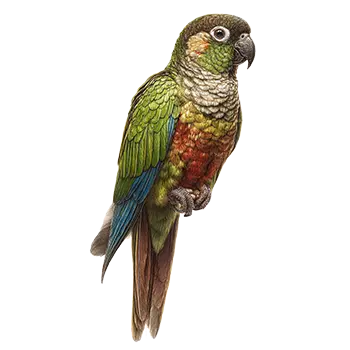

A green-cheeked conure reaches full physical and behavioral maturity between one and two years of age and remains in its prime through roughly the first 12 to 15 years of life. During this extended period the bird should be at its healthiest, most active, and most socially engaged. Maintaining peak health requires a consistent commitment to proper nutrition, regular veterinary care, and a stimulating daily routine.
Annual wellness examinations with an avian veterinarian are the cornerstone of preventive care during the adult years. A thorough checkup should include a physical examination, weight assessment, and discussion of diet and behavior. Periodic blood work helps detect metabolic changes, liver or kidney issues, and nutritional deficiencies before clinical signs appear. Early detection of these conditions dramatically improves treatment outcomes.
Weight management is particularly important for adult conures. Obesity is one of the most common health problems in captive parrots and can lead to fatty liver disease, cardiovascular problems, and a shortened lifespan. Weigh your bird on a gram scale regularly and track any trends. An adult green-cheeked conure in healthy condition typically weighs between 60 and 80 grams, though individual variation exists. Discuss your bird's ideal weight range with your veterinarian.
Environmental quality matters as much as diet and veterinary care. Ensure the bird's living space is free from airborne toxins including cooking fumes from nonstick cookware, aerosol sprays, scented candles, and cigarette smoke. These substances are extremely dangerous to avian respiratory systems. Clean air, natural light exposure, and a consistent day-night cycle with 10 to 12 hours of uninterrupted darkness for sleep all contribute to long-term health.